

More news on this day
Air Côte d’Ivoire’s flagship Airbus A330neo has become the focus of an unusual safety and security dispute after the West African carrier alleged that its widebody was deliberately damaged while on the ground in Paris, prompting an investigation and renewed scrutiny of aircraft protection at major European hubs.
Get the latest news straight to your inbox!
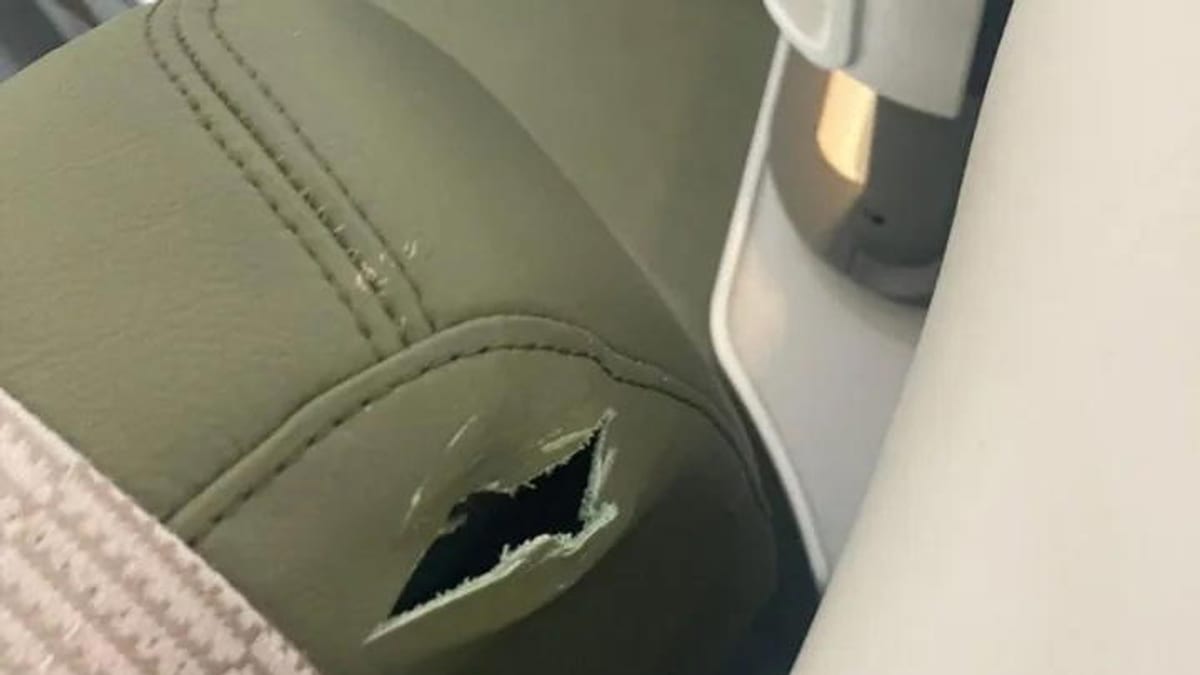
Image by One Mile at a Time
A New Long-Haul Flagship Caught in Controversy
The aircraft at the center of the controversy is one of Air Côte d’Ivoire’s recently delivered Airbus A330-900neos, introduced to open and sustain long-haul routes between Abidjan and Europe. The twin-aisle jet is a key part of the airline’s growth strategy, offering a four-class cabin and expanded range compared with the carrier’s narrowbody fleet.
Reports indicate that the alleged vandalism occurred while the aircraft was on the ground in Paris between scheduled services connecting Côte d’Ivoire and France. Publicly available information suggests that the airline’s technical teams identified damage that they considered inconsistent with normal wear, ramp operations, or environmental factors.
The carrier has characterized the damage as deliberate, framing the incident as an act of vandalism against a high-profile new aircraft type that was intended to symbolize its entry into the competitive long-haul market. The characterization has drawn attention in both West African and French aviation circles, where safety, security, and operational resilience are frequently in focus.
While the full technical assessment has not been released, the case has quickly moved beyond a routine maintenance finding to a broader discussion about how widebody aircraft are secured on the ground, who has access to them, and how irregularities are documented and escalated.
What Is Known About the Alleged Damage
According to published coverage, the damage was discovered during ground checks in Paris, following standard post-flight and pre-flight inspections conducted by maintenance personnel. These walk-around inspections typically look for structural anomalies, fluid leaks, and irregularities in access panels or landing gear, all of which can have safety implications if left unaddressed.
Initial descriptions in local reports suggest that the affected areas included external fuselage or access zones that are normally undisturbed except by authorized staff. The airline’s determination that the damage was suspicious appears to be based on the location and pattern of the findings, which were reportedly inconsistent with common apron incidents such as contact with ground service equipment.
Publicly available information shows that once the irregularities were recorded, the aircraft was kept on the ground for further inspection rather than immediately returned to service. That decision likely reflected both regulatory requirements and the airline’s own risk management standards, as structural concerns on a long-haul widebody can have significant safety ramifications.
The extent of the damage, in financial terms, has not been disclosed, but any unscheduled repairs to a recently delivered A330neo would represent a setback for an airline that relies heavily on each frame to maintain new international schedules. Extended downtime can quickly translate into lost revenue, costly wet leases, or route cancellations.
Security Environment at Major European Hubs
The incident highlights the complex security environment around commercial aircraft at large airports. Paris Charles de Gaulle and other major European hubs apply layered security controls, including perimeter fencing, access badges, video surveillance, and regular patrols. Yet the number of ground handlers, maintenance workers, catering staff, and contractors who require direct access to aircraft inevitably creates a broad perimeter to supervise.
Industry practice generally divides responsibility for aircraft security between airport authorities, ground handling companies, and airlines themselves. While state agencies set the overarching regulatory framework, carriers are responsible for procedures such as sealing certain doors, locking flight decks, and ensuring that only cleared personnel work on or around the aircraft.
Reports surrounding the Air Côte d’Ivoire case raise questions about how easily an individual with access to the ramp area could cause targeted damage without immediate detection. They also highlight the reliance on post-event technical inspections to identify irregularities, as many forms of vandalism might not be visible on closed-circuit cameras or may remain unnoticed until the next walk-around.
For smaller and medium-sized carriers expanding into major European markets, the incident underscores the importance of aligning internal security protocols with those of partner airports and ground service providers, including detailed incident-reporting chains when anomalies are discovered.
Operational and Commercial Repercussions for the Airline
The alleged vandalism comes at a sensitive moment for Air Côte d’Ivoire, which has been positioning itself as a regional hub carrier in West Africa while adding long-haul capability through its A330neo fleet. Any disruption to a flagship route such as Abidjan to Paris can ripple through network planning, crew scheduling, and passenger confidence.
Published accounts indicate that the affected aircraft faced at least temporary grounding for inspection and potential repair, with knock-on effects for scheduled services. When a small fleet operates only a handful of widebody aircraft, the loss of even a single frame can require last-minute aircraft substitutions, reduced frequencies, or chartered capacity from partner airlines.
From a commercial perspective, the optics are also significant. New long-haul routes are commonly marketed as symbols of national progress and global connectivity. News that a freshly delivered widebody may have been deliberately damaged on foreign soil introduces an unwelcome narrative, particularly when the aircraft represents a major capital investment backed in part by state or development financing.
In the short term, the carrier’s priority is likely to keep the route operating reliably while technical teams and partner organizations assess the aircraft and clarify the circumstances. Longer term, the episode may spur the airline to negotiate tighter security commitments at outstations and to refine how maintenance findings are communicated to the traveling public.
Broader Questions About Aircraft Protection and Accountability
Beyond the specific case of Air Côte d’Ivoire, the episode feeds into a larger debate about how commercial aircraft are protected while parked and who bears responsibility when something goes wrong. Modern jets are robust but vulnerable to targeted damage in certain locations, and complex global supply chains mean that many different entities may have had legitimate access before an issue is discovered.
Aviation risk specialists frequently point to the need for traceable access records, clear chains of custody for tools and components, and high-resolution documentation of any irregularities found during inspections. When an airline publicly characterizes an incident as vandalism rather than accidental damage, those records become particularly important in determining whether the allegation can be substantiated.
The Air Côte d’Ivoire case also raises questions about transparency. Airlines must balance operational security and legal considerations with the public’s interest in understanding potential safety issues involving passenger aircraft. Too little information can fuel speculation, while premature conclusions can unfairly implicate individuals or partner organizations before investigations are complete.
As inquiries continue, the episode serves as a reminder that for carriers expanding into new long-haul markets, investment in widebody aircraft must be matched by meticulous attention to ground security and incident-response frameworks at every airport on their network map.