

More news on this day
A long delay followed by the abrupt cancellation of an Air India Express flight from Bhubaneswar to Pune has sparked widespread anger among travelers, with passengers reporting confused communication, scarce guidance at the airport and last-minute changes that upended critical work, medical and family commitments.
Get the latest news straight to your inbox!
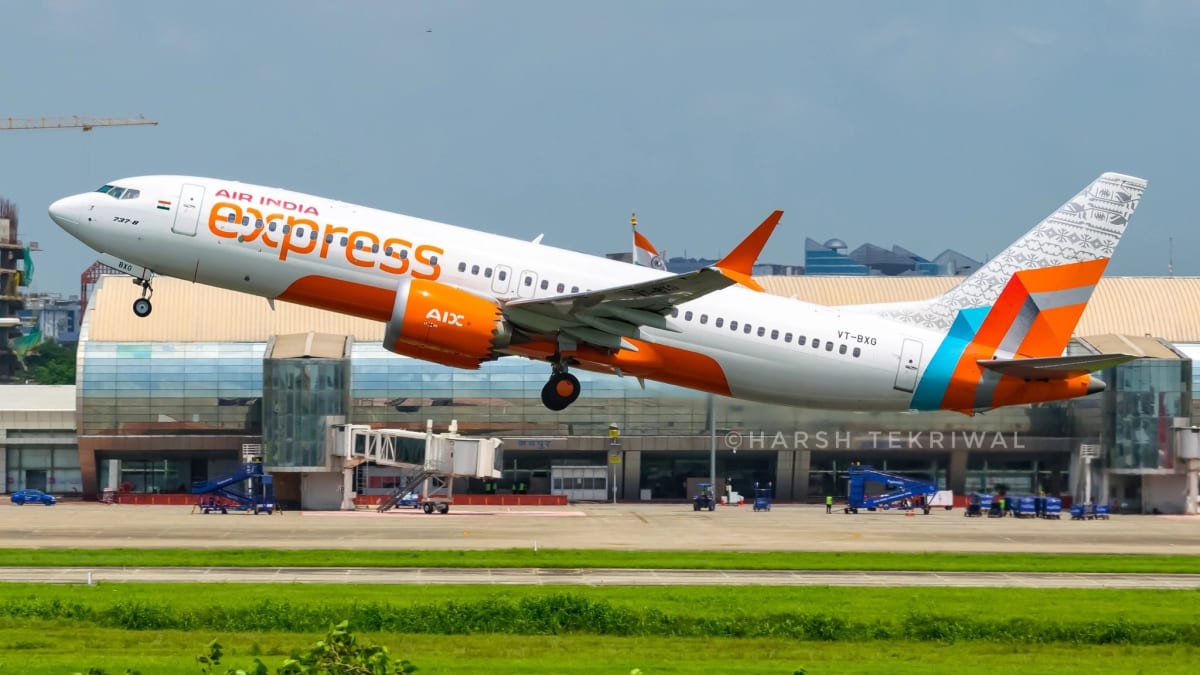
Image by Latest International / Global Travel News, Breaking World Travel News
Hours of Uncertainty End in Sudden Cancellation
Reports from Bhubaneswar’s Biju Patnaik International Airport indicate that the Air India Express service to Pune was initially scheduled to depart in the evening but remained on the ground for several hours as passengers waited for updates. Travelers described repeated holding messages at the terminal and boarding gates, with staff reportedly citing operational reasons while declining to give a clear departure time.
As the delay stretched on, passengers were asked to remain near the gate in anticipation of a revised boarding call. Publicly available information suggests that check in and security procedures had already been completed for many travelers, leaving them effectively captive in the secure zone with limited options to leave or replan their journeys.
Eventually, after this prolonged period of uncertainty, the flight was declared cancelled. Passengers were told they would need to either seek refunds or attempt to secure seats on later departures, often at short notice and higher fares. The abrupt shift from delay to cancellation, after hours of waiting, appears to have been a key factor fuelling public frustration.
Local media coverage and social media posts describe scenes of confrontation at the gate area, with several travelers reportedly demanding written confirmation of the cancellation and clearer guidance on rebooking and compensation options.
Communication Breakdowns Fuel Passenger Outrage
While flight disruptions are not uncommon across India’s busy domestic network, the episode has drawn particular criticism for what passengers view as a breakdown in basic communication standards. According to published coverage of similar Air India Express disruptions, complaints frequently center on sparse announcements, inconsistent information from different staff members and a lack of proactive updates via text or email.
At Bhubaneswar, travelers on the cancelled Pune service reported that information screens and audio announcements often lagged behind events at the gate, leaving them dependent on ad hoc conversations with ground personnel. Some passengers claimed that they learned of the final cancellation only after approaching the counter, while others said they were still expecting a revised departure time when airport staff began discussing refunds and alternate travel.
Consumer rights advocates note that Indian regulations require airlines to inform passengers of cancellations and extended delays in a timely and transparent manner and to offer rebooking or refunds when services cannot be operated. In practice, travelers often complain that they are left to navigate complex policies at crowded counters with limited staffing, particularly during evening peaks when multiple flights are disrupted.
Several recent incidents involving the airline on other domestic routes, including reports of long delays and technical holds at airports such as Pune and Delhi, have already placed Air India Express under public scrutiny for its handling of irregular operations. The latest Bhubaneswar–Pune disruption is likely to intensify that focus on how the carrier communicates during crises.
Essential Travel Plans Left in Disarray
For many passengers, the cancellation was not simply an inconvenience but a direct threat to time-sensitive commitments in Pune and beyond. Based on accounts shared publicly in similar cases, travelers on such routes often include students heading for exams, professionals connecting to early morning meetings, and families traveling for medical appointments or life events such as weddings and funerals.
When a late-evening flight is cancelled after hours of delay, options to salvage onward plans can be especially limited. Other carriers may have already departed or sold out, and same-day rail alternatives are often unavailable. Passengers then face the prospect of paying high last-minute fares for seats on competing flights the next day, securing additional hotel nights at short notice or completely rearranging ground transport and accommodation at their destinations.
Social media discussions around the Bhubaneswar–Pune disruption reference travelers who had non-refundable hotel bookings in Pune, prearranged taxi transfers and domestic connections on separate tickets. Such arrangements are rarely protected by airline policies, leaving individuals to absorb mounting costs even when the initial disruption arises from an airline’s operational decisions.
Commentary from frequent flyers suggests that these cascading impacts are among the main reasons tempers flare so quickly when delays tip into cancellations late in the day. For affected passengers, the sense that they are bearing the full financial and emotional burden of an event beyond their control can feel especially unjust when communication is perceived as evasive or incomplete.
Spotlight on Airline Disruption Handling Across India
The Bhubaneswar–Pune case is emerging against a wider backdrop of scrutiny on how Indian airlines manage delays and cancellations. In the past year, disruptions linked to technical issues, crew availability and congested airspace have affected multiple carriers, prompting a surge of complaints and viral posts from stranded travelers in metros such as Delhi, Mumbai, Bengaluru and Pune.
Publicly available data and regulatory advisories highlight that carriers operating in India are expected to provide timely updates, reasonable assistance at airports and clear options for rebooking or refunds when services are curtailed. However, passenger experiences shared online often describe a gap between policy and practice, particularly during large-scale disruption events when staff and call centers are overwhelmed.
Analysts observing the sector note that low-cost and hybrid airlines face an especially difficult balancing act, operating tight schedules with limited spare aircraft and crew. When an aircraft goes out of service or a crew member times out under duty rules, knock-on effects can rapidly cascade across multiple flights and cities. In such a context, communication and contingency planning become central to protecting customer trust.
The latest controversy involving Air India Express is likely to fuel calls for more robust enforcement of passenger rights frameworks and clearer standards for real-time communication. Travel industry observers suggest that airlines that invest in better notification systems, better-trained frontline staff and faster re-accommodation processes may be better positioned to retain customer loyalty when disruptions inevitably occur.
Growing Pressure on Air India Express Brand
The cancellation of the Bhubaneswar–Pune flight adds to a series of recent complaints about Air India Express that have surfaced across news outlets and online forums, ranging from long delays and onboard technical issues to confusion around schedule changes and refunds. While many flights operate without incident, the visibility of such cases has raised questions about the airline’s ability to manage operational stress as it expands its domestic and regional footprint.
Industry coverage notes that the carrier has been repositioning itself within the broader Air India group following its integration with AIX Connect, aiming to compete aggressively in India’s price-sensitive leisure and visiting-friends-and-relatives market. That strategy depends heavily on high aircraft utilization and lean cost structures, which can leave less margin for recovery when disruptions occur.
Observers say repeated images of packed departure halls, angry queues at customer service counters and stranded passengers sharing their experiences online risk eroding the value of the brand repositioning efforts. In a competitive domestic market where rivals are also expanding capacity and modernizing fleets, perception of reliability and responsiveness can be as important as price.
For now, travelers affected by the Bhubaneswar–Pune cancellation are focused on immediate concerns such as securing alternate transport, recovering costs and salvaging missed commitments. In the longer term, however, episodes like this may influence booking decisions, as passengers weigh schedule convenience and fare levels against recent records of how airlines respond when plans go badly wrong.