

More news on this day
Indian airlines are tightening travel advisories for West Asia as the Iran war enters Day 36 on April 4, with Air India and IndiGo warning of ongoing disruption, higher fares and possible last minute changes on routes linking India with the United Arab Emirates and Qatar.
Get the latest news straight to your inbox!
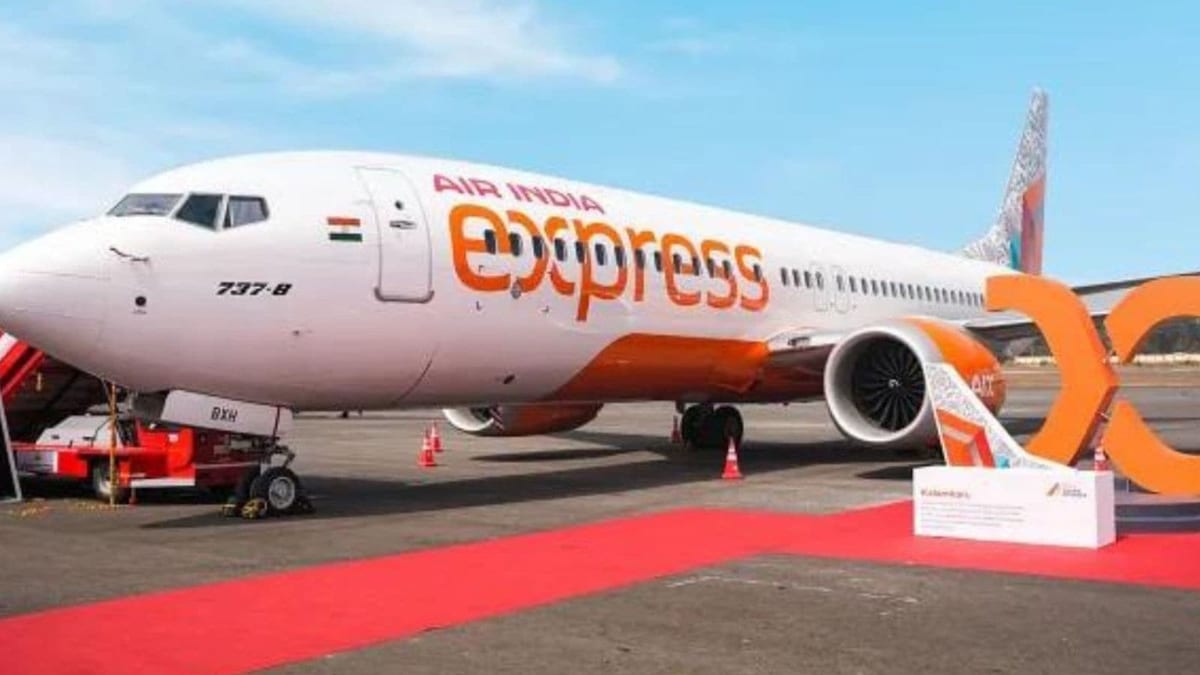
Iran conflict keeps Gulf aviation under pressure
The 2026 Iran war, triggered by United States and Israeli strikes on Iranian targets in late February, continues to reshape air traffic patterns across West Asia. Airspace closures, missile incidents and rising war risk premiums have left Gulf hubs operating well below pre conflict capacity, with schedules being adjusted week by week.
Reports from regional aviation trackers indicate that the United Arab Emirates and Qatar remain central to rerouting decisions. While limited operations into Dubai, Abu Dhabi and Doha have resumed compared with the early days of the war, schedules are significantly thinned and remain vulnerable to further shifts in the security environment.
Publicly available coverage shows that additional insurance and fuel costs are weighing heavily on airlines serving the region, including Indian carriers. War risk surcharges and circuitous routings around volatile airspace have translated into longer flight times and higher ticket prices for passengers using Gulf hubs to connect between India and destinations in Europe, North America and Africa.
For Indian travelers heading to the UAE or Qatar in early April, this means that even flights which appear confirmed can still be retimed or rerouted at short notice, with airlines urging customers to monitor their booking status closely on the day of departure.
Air India’s April 4 update: selective Gulf operations, rebooking options
An updated travel note from Air India’s newsroom dated April 4 outlines a patchwork of services to West Asia, reflecting a gradual rebuilding of its network while key corridors over Iran and Iraq remain constrained. The carrier continues to operate certain links to the Gulf on adjusted routings, while suspensions remain in place on some routes that were heavily exposed to closed or high risk airspace.
Recent Air India communications list Doha among the destinations where scheduled operations are yet to fully resume, even as ad hoc or non scheduled services have been mounted to some other points in the Gulf. Passengers booked on affected flights have been offered options such as free date changes or rerouting, subject to seat availability, with the airline asking customers to use official digital channels to confirm their latest itineraries.
Industry coverage suggests that flights to the UAE are relatively better supported, helped by the scale of two way demand between Indian cities and Dubai, Abu Dhabi and Sharjah. However, continued airspace restrictions toward the northwest have led to longer flight paths and padding of block times, increasing the risk of knock on delays and missed connections for travelers using Gulf hubs as transit points.
Travel analysts note that Air India’s strategy into early April has centered on maintaining core India Gulf connectivity while trimming less profitable or operationally complex sectors. For passengers, that translates into fewer daily options on some routes, tighter seat availability and a stronger incentive to book flexible or refundable fares where possible.
IndiGo advisories: Middle East suspensions, higher surcharges
Low cost carrier IndiGo entered April with a more cautious posture on Middle East flying after earlier suspensions of several routes in late February and March. Previous advisories from the airline announced temporary halts on services to and from parts of the region in view of the evolving situation in Iran, accompanied by waivers on change and cancellation fees for impacted travelers.
Coverage in regional business media highlights that IndiGo has also been grappling with sharply higher fuel and insurance costs associated with the conflict. The airline recently revised its fuel related charges for both domestic and international sectors as jet fuel prices spiked in the wake of strikes on energy infrastructure tied to the Iran war, adding to the overall cost of Middle East travel for IndiGo customers.
For routes touching the UAE and Qatar, IndiGo’s network remains thinner than before the conflict, and some services are still being reinstated progressively. Public reports on recent days of operation indicate that flights can be subject to late schedule changes as the carrier balances demand, aircraft availability and overflight permissions on specific days.
Passengers booked with IndiGo on UAE and Qatar routes in early April are being advised, through published notices and travel agent briefings, to reconfirm departure times, track flight status frequently and allow extra time during transfers, particularly when using Gulf connections to reach onward long haul destinations.
What flyers to UAE and Qatar should do now
With the Iran war entering its sixth week, the main message for travelers between India and the Gulf is to stay flexible and informed. Industry trackers point to continuing volatility in schedules through at least mid April, as airlines adjust to changing risk assessments and the financial pressure of prolonged rerouting.
Passengers flying to Dubai, Abu Dhabi or Doha on April 4 and beyond are being urged by airlines and travel intermediaries to double check flight status within 24 hours of departure, keep contact details updated in their booking profiles, and monitor notifications for any last minute gate, timing or routing changes. Those with closely timed connections, especially to Europe or North America, may wish to consider longer layovers or alternative routings where available.
Public travel advisories also emphasize the importance of reviewing fare rules and waiver policies before making changes. Some Indian and Gulf carriers continue to offer limited no fee date changes or refunds on itineraries booked before key escalation dates in late February, while newer bookings may carry stricter conditions. Reading the fine print can help passengers avoid unexpected charges if schedules shift again.
Travel insurance tailored to war related disruption and schedule changes has become a more common recommendation from industry commentators during this period. Policies vary widely in their treatment of conflict zones, so experts advise checking whether delays due to airspace closures or reroutings via third country hubs are explicitly covered before purchase.
Fares, capacity and the outlook for April routes
Airline scheduling data for April indicates that capacity between India and Gulf hubs is still below levels seen before the Iran war, even as some additional flights have been added since the earliest days of the conflict. This reduced supply, combined with higher operating costs, has pushed average fares sharply higher on many India UAE and India Qatar city pairs.
Reports from online travel agencies and fare trackers suggest that non stop seats to Dubai and Abu Dhabi are commanding substantial premiums over historical norms, while itineraries involving multiple stops or unconventional routings through Southeast Asia or Europe are often the only lower cost alternatives. For Qatar, where scheduled operations by some Indian carriers remain curtailed, fare volatility is especially pronounced.
Aviation analysts cited in recent coverage expect a cautious ramp up of Gulf operations through the remainder of April, provided there is no major escalation in hostilities or new airspace closures. Airlines are watching fuel prices, insurance terms and the stability of overflight corridors closely before committing additional aircraft to these routes.
For now, travelers planning journeys between India and the UAE or Qatar in April are being encouraged to build flexibility into their plans, budget for higher fares and potential delays, and rely on official airline channels for the most up to date information as the Iran war continues to cast a long shadow over West Asia’s skies.