

More news on this day
Indian travellers heading to the United Arab Emirates and Qatar on April 4 are being urged to brace for schedule changes, longer routings and last minute disruptions, as Air India and IndiGo publish updated travel alerts while the Iran war reaches Day 36 and continues to roil Gulf aviation.
Get the latest news straight to your inbox!
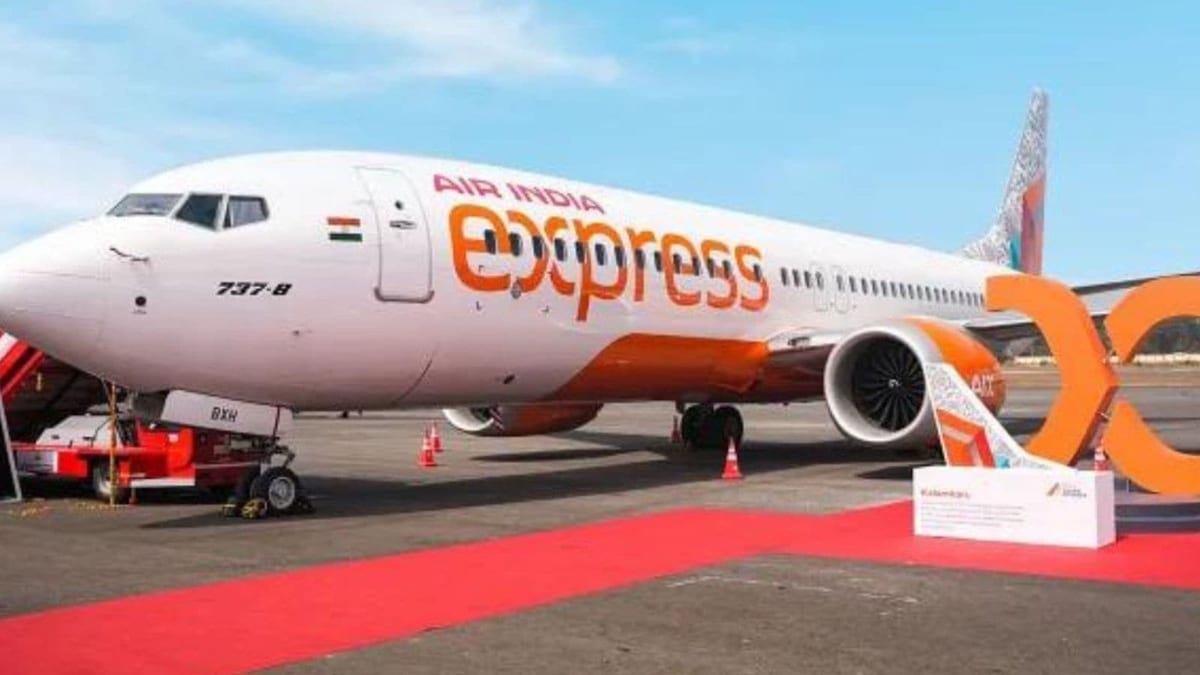
Fresh April 4 advisories as conflict reshapes Gulf skies
Publicly available notices from Air India and IndiGo dated April 4 flag an unsettled operating environment on routes linking Indian cities with hubs in Dubai, Abu Dhabi, Sharjah and Doha. The alerts highlight an evolving patchwork of services rather than a full restoration of pre war schedules, with flight plans still constrained by airspace closures over Iran and Iraq.
Reports indicate that Air India has retained its policy of avoiding Iranian and Iraqi airspace, instead routing select services via longer corridors over the Arabian Sea and alternative Gulf entry points. This approach, first adopted in the opening weeks of the conflict, continues to add to block times and fuel burn, and may push some departures into off schedule territory even when flights are not formally delayed at the gate.
IndiGo, which operates dense shuttle style networks to the Gulf from multiple Indian metros, is similarly cautioning passengers that standard timetables cannot be guaranteed while regional airspace and military risk assessments remain fluid. Travel trade briefings and customer updates reviewed on April 4 stress the need for travellers to reconfirm their flights and monitor status messages closely on the day of departure.
The new alerts come against the backdrop of a wider aviation shock across West Asia since late February, when coordinated United States and Israeli strikes on Iran triggered retaliatory missile and drone attacks and prompted temporary airspace closures by Qatar, the UAE and other Gulf states.
What Air India passengers to UAE and Qatar should expect
For Air India customers, April 4 brings a mixed picture on West Asia routes. Coverage from Indian and specialist aviation outlets shows that the flag carrier is operating a reduced but functioning schedule to major UAE gateways, while some routes into Qatar remain constrained or temporarily suspended as the airline reallocates aircraft and crews.
Recent network updates suggest that flights to Dubai and Abu Dhabi are being prioritised, although timings may be retimed at short notice and select services consolidated. Travellers booked on these sectors are being advised through public advisories to arrive early at departure airports, allow for extended check in and security queues, and anticipate potential holding patterns or diversions if alert levels change while airborne.
Doha services have been more heavily affected across March and into early April, with earlier suspensions on certain India Qatar city pairs still feeding into today’s reduced options. Travel industry analyses indicate that Air India and its low cost affiliate Air India Express cut a number of daily West Asia rotations when conflict related closures over Iran and Iraq first intensified, affecting Doha along with Kuwait, Bahrain, Dammam and Tel Aviv.
Passengers connecting beyond the Gulf on Air India, particularly those using Dubai or Abu Dhabi as springboards to Europe or North America, are being urged to build in longer layovers where possible. According to airline dispatches, tighter minimum connection times that were viable before the war may no longer be realistic if departure slots are re sequenced or routes are lengthened to skirt conflict zones.
IndiGo’s guidance for Gulf bound flyers
IndiGo’s April 4 messaging focuses on predictability and flexibility for travellers heading to the UAE and Qatar. The carrier continues to serve Dubai, Abu Dhabi, Sharjah and Doha from multiple Indian cities, but recent advisories emphasize that operational decisions are being taken day by day in response to changing security assessments and air traffic control restrictions across the region.
Published notes circulated via the airline’s website and through travel agents underline that departure and arrival times on some Gulf routes may shift as flight paths are recalculated to avoid sensitive airspace and congestion near key hubs. Passengers are encouraged to keep their contact details updated in bookings so that schedule changes and gate reassignments can be communicated quickly.
IndiGo is also drawing attention to its rebooking and waiver policies introduced after the conflict erupted in late February. While the precise terms vary by fare type and route, publicly available information indicates that customers affected by cancellations or significant delays on West Asia sectors may be able to switch to alternative dates or sectors without standard change penalties, subject to seat availability.
For travellers using IndiGo’s Gulf flights as part of complex self made itineraries, the airline’s alerts stress the importance of leaving sufficient buffers before onward connections on other carriers, since IndiGo cannot guarantee protection or through check on separately ticketed journeys disrupted by the war.
Security backdrop in UAE and Qatar keeps aviation on edge
The operational caution from Indian airlines is rooted in a volatile security climate across the Gulf. Coverage from regional media and international outlets notes that both the UAE and Qatar have experienced missile and drone incidents during the 2026 Iran war, including strikes and interceptions near critical energy installations and transport infrastructure.
In the UAE, Abu Dhabi and Dubai have contended with repeated air defence activations, temporary ground stops and, on several occasions, fires and damage linked to falling debris near industrial zones. While Dubai International and Abu Dhabi’s main airport have reopened after earlier multi day shutdowns, traffic levels remain below normal and carriers are keeping additional contingency fuel and diversion options in reserve on approach.
Qatar has also faced a series of Iranian missile and drone strikes since the conflict began, with reports of disruptions around Doha and temporary suspensions of commercial traffic as air defences engaged incoming projectiles. Analysts note that even when physical damage to airport facilities is limited, each alert cycle can trigger rolling delays and knock on effects across tightly scheduled hub banks.
Tourism and aviation consultancies tracking the region estimate that tens of thousands of flights have been cancelled or rerouted across West Asia since late February, with Dubai, Doha and Abu Dhabi among the hardest hit global connecting hubs. That backdrop helps explain the cautious tone in Indian carriers’ April 4 advisories, despite a gradual resumption of some Gulf services.
Practical advice for Indian travellers heading to the Gulf
For passengers flying on April 4 and in the coming days, the emerging guidance from airlines, travel insurers and government advisories converges on a few core themes: stay informed, allow extra time and be prepared for plans to change. With conflict related disruptions classified by many insurers as war events, coverage for delays or cancellations may be limited, placing more emphasis on real time decision making by travellers themselves.
Experts tracking the situation recommend that passengers to the UAE and Qatar keep a close watch on airline apps and airport information screens, and avoid cutting it fine for check in or connections. Booking non stop flights where possible, carrying essential items and medications in cabin baggage, and maintaining access to funds for an unscheduled overnight stay are all being promoted as sensible precautions in the current environment.
Travel risk briefings also highlight the value of flexibility on dates and routings. With Air India and IndiGo both adjusting schedules at short notice as the Iran war enters its sixth week, being open to rebooking onto alternative Gulf gateways or shifting travel by a few days may significantly improve the odds of a smoother journey.
For now, the message from carriers and industry observers alike is that flying between India and the Gulf remains possible but unpredictable. On April 4, as the conflict reaches Day 36, Indian airlines are striving to preserve vital people to people and business links with the UAE and Qatar, even as the region’s air corridors remain shaped by a fast moving war.