

More news on this day
Travel across northern Quebec faced fresh disruption this weekend after four Air Inuit flights serving Quaqtaq Airport were canceled, interrupting vital links between Quebec, Kangirsuk and Puvirnituq and stranding passengers in some of Canada’s most remote communities.
Get the latest news straight to your inbox!
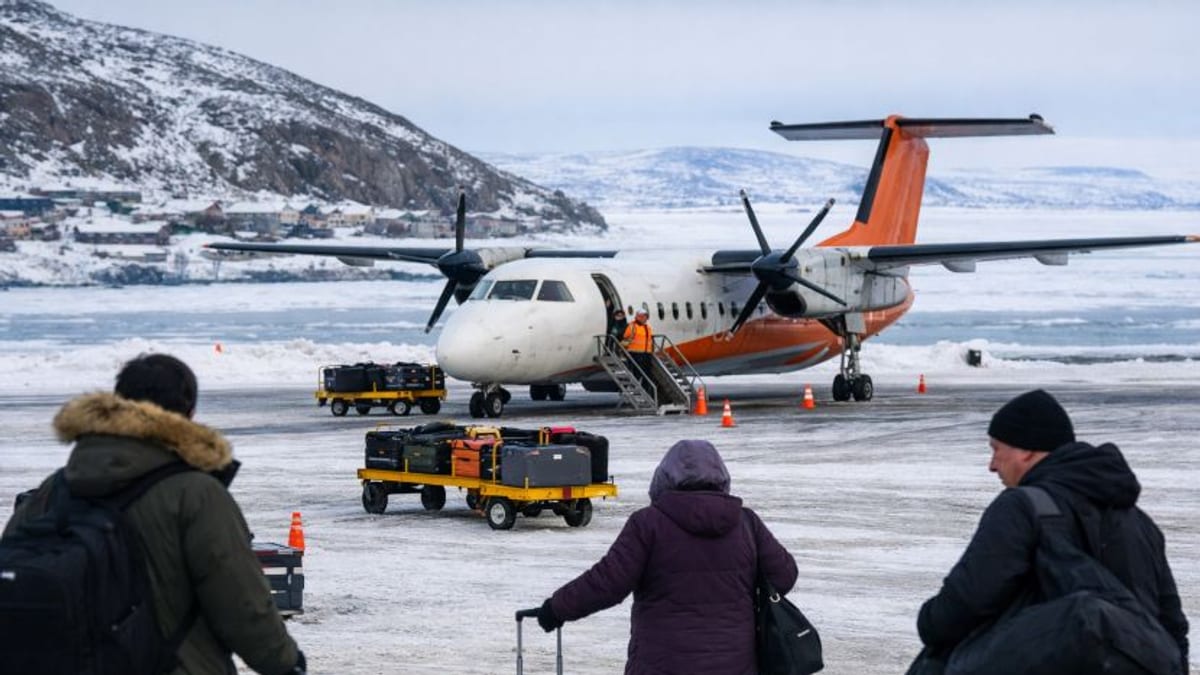
Image by Travel and Tour World – Tourism, Airline, Destination, MICE, Gobal Travel Market, Hotel news that you will find only over here.
Cluster of Cancellations Hits Key Nunavik Hub
The latest disturbance was centered on Quaqtaq Airport, a small but essential gateway for Inuit communities in Nunavik. Publicly available flight data and regional coverage indicate that four Air Inuit services involving Quaqtaq were withdrawn from the schedule, affecting both arriving and departing traffic.
The cancellations, reported on March 29, 2026, came amid a broader pattern of disruptions across Canada, where several carriers have cut flights in response to operational pressures and challenging weather in northern regions. At Quaqtaq, the loss of four flights in a single day represents a significant share of scheduled movements, given the airport’s modest traffic.
Quaqtaq’s importance is amplified by its role as a connector between isolated coastal settlements and larger hubs further south. Air Inuit’s regular services typically link the village to Kangirsuk and Puvirnituq, as well as to larger centers in Quebec, enabling access to health services, education, government administration and essential goods.
Regional aviation data and recent reporting on Canadian flight performance suggest that northern routes are especially vulnerable to cascading disruptions. A handful of cancellations can quickly reverberate along the network, leaving passengers with limited alternatives and long waits for rebooking.
Passengers in Quebec, Kangirsuk and Puvirnituq Feel the Impact
The immediate effects of the Quaqtaq cancellations have been felt across the Air Inuit network, particularly by travelers moving between Quebec’s southern cities and the Nunavik coast. According to published coverage tracking Canadian flight operations, passengers in Kangirsuk and Puvirnituq have reported disrupted itineraries as they attempt to connect through Quaqtaq.
Kangirsuk and Puvirnituq each depend heavily on a small number of daily or near daily links for passenger travel, medical appointments, cargo shipments and community services. When flights are canceled with little warning, residents may miss time sensitive connections in cities such as Quebec City or Montreal, while visitors can find themselves extended in the region for days.
Reports on recent Air Inuit performance in Nunavik indicate that several northern airports, including Kangirsuk and Quaqtaq, have experienced above average rates of cancellations and delays this season. In a small community, a single round of four cancellations can translate into dozens of people facing unplanned accommodation costs, rebooked medical visits or postponed work commitments.
For Puvirnituq, which functions as a larger regional hub in Nunavik, the situation at Quaqtaq adds strain to an already busy operation. When one feeder route falls out of the schedule, the pressure often shifts to remaining flights, which can become heavily booked as travelers attempt to reroute.
Weather, Capacity and Operational Constraints in the North
While Air Inuit has not publicly detailed the precise causes of the four cancellations at Quaqtaq, broader data on northern aviation highlights a familiar combination of factors. Winter and early spring conditions in Nunavik can bring strong winds, low visibility and blowing snow, all of which complicate operations into short gravel runways.
Meteorological records for Quaqtaq and surrounding coastal areas show that late March frequently features rapidly changing weather and periods of reduced visibility. In this context, even marginal conditions can force operators to consolidate or cancel flights, especially when safety margins are tight.
Operational constraints also play a role. Air Inuit’s published schedules indicate a relatively small fleet assigned to Nunavik routes, primarily turboprop aircraft such as the Dash 8 and Twin Otter, which are optimized for remote airstrips. When one aircraft is unavailable due to maintenance or rotation issues, the carrier has limited redundancy to absorb extended delays or additional flying.
Infrastructure limitations add further complexity. Many northern airports in Quebec, including Quaqtaq, Kangirsuk and Puvirnituq, lack the multiple runways, advanced landing systems and extensive ground support found at southern hubs. This makes them more sensitive to weather fluctuations and staffing constraints, increasing the likelihood that several flights may be removed from the schedule in close succession.
Broader Pattern of Disruption Across Canadian Skies
The problems at Quaqtaq are occurring against a wider backdrop of travel disruption in Canada. Recent aviation tracking and industry reporting point to more than a dozen cancellations and numerous delays involving multiple airlines across the country over the same period, including services touching Montreal and other major urban centers.
Coverage of national operations highlights that regional carriers, such as Air Inuit, are bearing a disproportionate share of the impact on a per route basis. Because these airlines serve thin markets with few daily frequencies, every canceled flight has a more pronounced effect compared with similar events on high volume southern corridors.
Analysts following Canadian aviation trends note that the combination of tight fleets, persistent staffing challenges and volatile weather patterns has made it difficult for carriers to restore the level of reliability many travelers expect. In the North, where air transport often serves as the only year round mode of long distance travel, the stakes are even higher.
Publicly available schedule information suggests that carriers are attempting to balance reliability and coverage by adjusting frequencies and consolidating services on certain days. However, this approach can leave limited flexibility when conditions suddenly deteriorate or when an aircraft or crew goes out of rotation.
What Disruptions Mean for Remote Community Travel
The four Air Inuit cancellations at Quaqtaq underscore how fragile connectivity can be for remote communities in northern Quebec. Unlike travelers in larger cities, residents of Nunavik generally have no rail or highway alternatives and depend on a small number of daily flights for both personal and essential travel.
When those flights disappear from the schedule, even temporarily, travelers may find themselves facing long waits in small terminals with limited facilities, or unexpectedly extended stays away from home. Medical travelers, students, government workers and visiting contractors can all be affected, amplifying the social and economic cost of disruption.
Organizations monitoring northern transportation point out that such events highlight the importance of resilient infrastructure and robust contingency planning, including adequate accommodation options and clear communication for stranded passengers. Transparent, up to date information about schedule changes is particularly crucial in regions where digital connectivity can be intermittent.
As airlines and governments continue to review investment in Canada’s northern aviation network, the latest turmoil at Quaqtaq Airport may add urgency to conversations about reliability, redundancy and service standards for communities in Nunavik and beyond.