

More news on this day
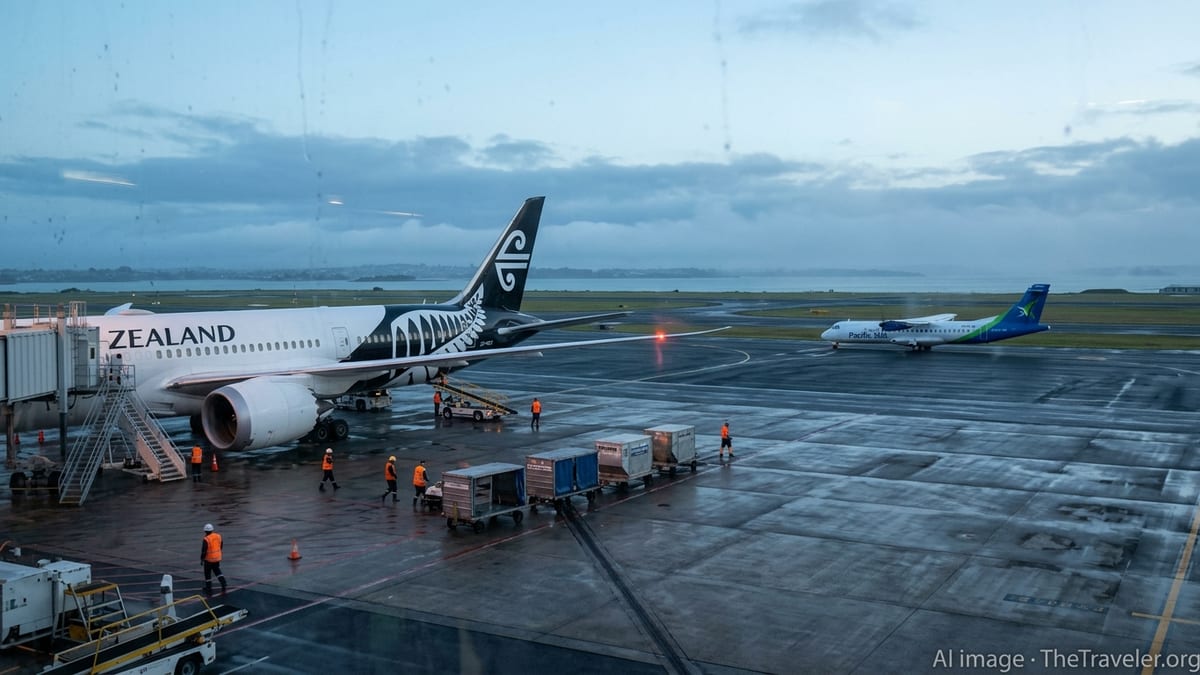
Air New Zealand’s decision to cancel a swathe of flights to and from Samoa as jet fuel prices climb sharply is causing widespread disruption across key Pacific routes, with thousands of travellers now facing rebookings, higher fares and longer journeys between Auckland and Apia.
Get the latest news straight to your inbox!
Fuel Price Shock Triggers Network Retrenchment
Publicly available information in recent weeks shows Air New Zealand grappling with a sharp increase in fuel and broader operating costs, prompting the airline to pull back capacity on several routes. Industry coverage indicates that surging jet fuel prices, driven in part by geopolitical tensions affecting global oil markets, have forced the carrier to suspend earnings guidance and revisit its schedule planning across the Tasman and Pacific networks.
Reports on the airline’s recent financial updates describe fuel costs rising despite modest declines in benchmark jet fuel prices, as the impact of a weaker New Zealand dollar, emissions obligations and less efficient aircraft erodes margins. With fuel now accounting for a growing share of total operating expenses, short-haul international services, including those to Pacific Island destinations, are under particular pressure.
Against this backdrop, capacity reductions on the Auckland–Apia corridor have emerged as one of the most visible signs of strain. While the airline continues to operate some services, the targeted cancellations are significant enough to create noticeable gaps in connectivity between New Zealand and Samoa during what would typically be a busy travel period.
Significant Passenger Disruption Across Pacific Routes
Local media coverage of Air New Zealand’s schedule changes in March 2026 points to a wider programme of cancellations affecting around 1,100 flights through late April and early May, touching domestic, Tasman and Pacific routes. Within that figure, travellers headed to Samoa are among those bearing the brunt, as reduced frequencies compress options for both leisure and visiting-friends-and-relatives traffic.
According to published reporting on the issue, approximately 44,000 passengers are expected to be affected by the cancellations network-wide over this period, with many facing last-minute schedule changes. For Samoa-bound customers, this has translated into rebookings on different days, extended stopovers or, in some cases, the need to seek alternatives on competing carriers connecting via other Pacific hubs.
Travel forums and social media posts over the past week highlight confusion and frustration as travellers receive cancellation notices close to departure and struggle to find comparable replacement flights at similar prices. Some accounts describe families attempting to coordinate attendance at weddings, funerals and other significant events in Samoa, only to find that the next available seats are limited or substantially more expensive.
Higher Fares and Tighter Capacity Hit Samoa-Bound Travellers
Coverage of Air New Zealand’s response to the fuel price spike notes that the airline has also introduced fare increases across its network, compounding the effect of reduced capacity. Domestic fares have reportedly risen by a flat amount per sector, with short-haul international services, including Pacific Island destinations, seeing even steeper surcharges to offset higher fuel bills.
For travellers bound for Samoa, the combination of fewer flights and higher base fares is pushing up the overall cost of travel. With limited direct competition on the Auckland–Apia route, the removal of multiple rotations per week reduces pricing flexibility and narrows the window for finding lower-cost seats, particularly during school holidays and peak periods of family travel.
Travel agents contacted in recent days through public commentary channels describe a scramble to reroute passengers via alternative Pacific gateways, where seats are available but often at a premium. In practical terms, a journey that might once have involved a relatively straightforward non-stop flight is, for some, turning into a multi-leg itinerary with longer travel times and additional overnight stops.
Regional Connectivity and Tourism Under Strain
The disruption on Samoa services is feeding into broader concerns about the resilience of Pacific connectivity in an era of volatile fuel prices and rising costs. Samoa’s economy is heavily reliant on tourism and on a steady flow of visiting friends and relatives from New Zealand and Australia, making reliable air links vital for both short-term visitor numbers and longer-term development goals.
Industry commentators note that reduced frequencies and higher fares could deter discretionary travel, particularly among price-sensitive leisure travellers and diaspora communities planning regular visits home. In turn, this risks dampening hotel occupancy, tour bookings and small-business activity that depends on a predictable flow of arrivals through Faleolo International Airport.
There are also implications for cargo and essential goods that move in the bellies of passenger aircraft. While dedicated freight services exist on some Pacific routes, lower passenger capacity can constrain space for time-sensitive shipments, from fresh produce to e-commerce parcels, adding another layer of complexity for Samoan businesses and consumers.
What Travellers Need to Know Right Now
With cancellations already rolling through the schedule, travel experts are advising passengers booked on Air New Zealand’s Samoa services in March and April to monitor their reservations closely and to check for schedule changes well in advance of departure. Published guidance from consumer advocates suggests that affected travellers should review their rights under fare rules and local consumer protection frameworks, including options for rebooking and refunds where services have been withdrawn.
Passengers considering new bookings to Samoa in the coming weeks are being encouraged, in publicly available advice, to build in extra flexibility. That may include allowing more time between connecting flights, purchasing changeable or refundable tickets where possible, and considering travel insurance products that specifically address airline disruption and schedule changes.
While it remains unclear how long the current period of elevated fuel prices and capacity cuts will last, the situation on Air New Zealand’s Samoa services illustrates how quickly external cost shocks can ripple through the thinly served Pacific aviation market. For now, travellers on the Auckland–Apia route face a more challenging landscape, marked by tighter seat availability, steeper prices and a heightened need to plan ahead.