

More news on this day
Air New Zealand’s latest round of flight cancellations has abruptly thinned air links between Auckland and Samoa, as the carrier responds to sharply higher jet fuel costs and reworks its Pacific schedule, leaving many travelers scrambling to rebook scarce seats across the region.
Get the latest news straight to your inbox!
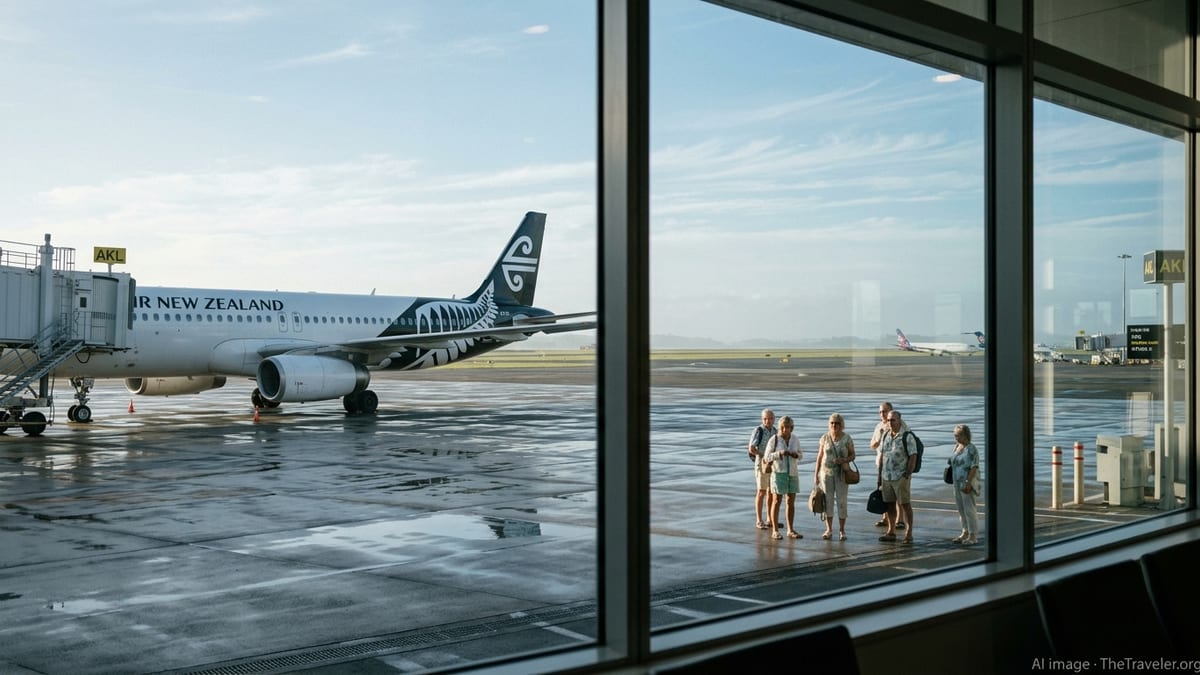
Fuel price spike triggers route shake-up
Publicly available financial filings and market coverage in March 2026 show Air New Zealand grappling with a steep rise in jet fuel prices, prompting the airline to suspend its profit guidance and tighten capacity on select routes. Industry analysis links this shift to a wider surge in global oil prices, which has pushed jet fuel toward the 200 dollars per barrel mark and sharply increased operating costs for long overwater flights.
Reports indicate that Samoa routes are among those hit as the airline adjusts schedules to conserve fuel and prioritize higher yielding and higher demand sectors. The combination of long stage lengths over the Pacific and relatively small origin and destination markets appears to have placed Apia services under particular pressure as the carrier seeks to protect its balance sheet.
According to recent interim results, fuel remains one of Air New Zealand’s single largest expenses, and the current spike has intensified an already challenging cost environment. The airline has previously highlighted fuel volatility as a key risk factor, and the latest developments are now materializing in visible changes to flight timetables rather than remaining a theoretical financial concern.
Heavy disruption for Samoa-bound travelers
Travelers booked between Auckland and Samoa are reporting sudden cancellations and consolidations, with some flights removed from schedules and others combined into fewer, fuller services. While many passengers are being re-accommodated on alternative dates, the limited number of weekly services and the lack of nonstop competition on the route have significantly reduced flexibility.
For Samoan communities in New Zealand, the disruption cuts far deeper than leisure travel. The Auckland–Apia corridor is a lifeline for family visits, seasonal workers, students, and those traveling for urgent reasons such as funerals or medical appointments. When flights disappear from the schedule or move to different days, these itineraries can quickly become unworkable, particularly for travelers on tight budgets or fixed contracts.
Available commentary from affected passengers points to longer layovers, rerouting via other Pacific hubs, and in some cases the need to postpone trips altogether. With school holidays and major cultural events on the horizon, the reduction in capacity risks creating bottlenecks at peak times, driving up remaining fares and pricing out some would-be travelers.
Knock-on effects across Pacific networks
The Samoa cancellations are unfolding against a wider reshaping of Pacific aviation. Recent schedule announcements from regional carriers show a patchwork of new services and suspended routes as airlines juggle fuel costs, aircraft availability, and fluctuating demand across island states. This volatility means that when a large operator like Air New Zealand trims capacity, alternative options are not always readily available.
Industry observers note that the Pacific is particularly vulnerable to such shocks. Many routes are monocultures served by a single airline, often just a few times a week. If that carrier cuts flights, travelers have limited recourse beyond expensive multi-stop itineraries through Australia, Fiji, or other hubs, which themselves may be under schedule pressure from high fuel prices.
There are also concerns about the resilience of tourism flows into Samoa. Tourism boards across the South Pacific have been working to rebuild visitor numbers after the pandemic, and stable, affordable air access is central to those efforts. Reduced capacity from a major New Zealand gateway risks slowing this recovery and could shift visitor traffic toward destinations with more robust air links.
Rising fares and tighter capacity on key dates
Published coverage of recent fare changes already shows increases on many Air New Zealand routes, with higher ticket prices reflecting the elevated cost of fuel. Short haul international sectors, including Pacific islands, have seen noticeable surcharges, and the sudden scarcity of Samoa seats is expected to compound price pressures, particularly around school breaks and festive periods.
Travel search data and anecdotal reports indicate that Samoa flights that do remain on sale are selling quickly, with limited lower fare inventory available. Travelers attempting to rebook after a cancellation are finding that comparable itineraries often cost significantly more than their original tickets, or require travel on less convenient days.
Consumer advocates are drawing attention to the importance of travel insurance and flexible booking conditions in this environment. While Air New Zealand’s publicly available customer guidance outlines rebooking options after airline-initiated cancellations, accommodation costs, missed connections on separate tickets, and other knock-on expenses may fall back on passengers unless they are insured.
What travelers to Samoa should watch now
For those planning trips between New Zealand and Samoa in the coming months, the evolving situation underscores the need for close monitoring of schedules and fares. Travel agents and online booking platforms are advising customers to check their reservations frequently, ensure contact details are up to date, and allow more buffer time for onward connections, especially where itineraries involve multiple airlines or self-connecting tickets.
Some analysts suggest that travelers who have flexibility might avoid the busiest travel dates, when seats are most constrained and prices are highest. Booking early, opting for changeable fares where budgets allow, and securing comprehensive travel insurance are emerging as key strategies to manage the heightened risk of disruption.
Regional governments and tourism bodies will be watching developments closely, given the broader economic stakes tied to reliable air links. For now, the combination of elevated fuel prices and thin Pacific networks means Samoa-bound travelers face an uncertain few months, as Air New Zealand and its regional counterparts test how much capacity they can afford to keep in the air across one of the world’s most remote and fuel-sensitive aviation markets.