

More news on this day
Air New Zealand is lifting ticket prices and warning of further changes to fares and schedules after a sudden spike in global jet fuel costs triggered by the escalating Iran conflict, a move that underscores how the latest Middle East crisis is quickly rippling through the world’s air travel system.
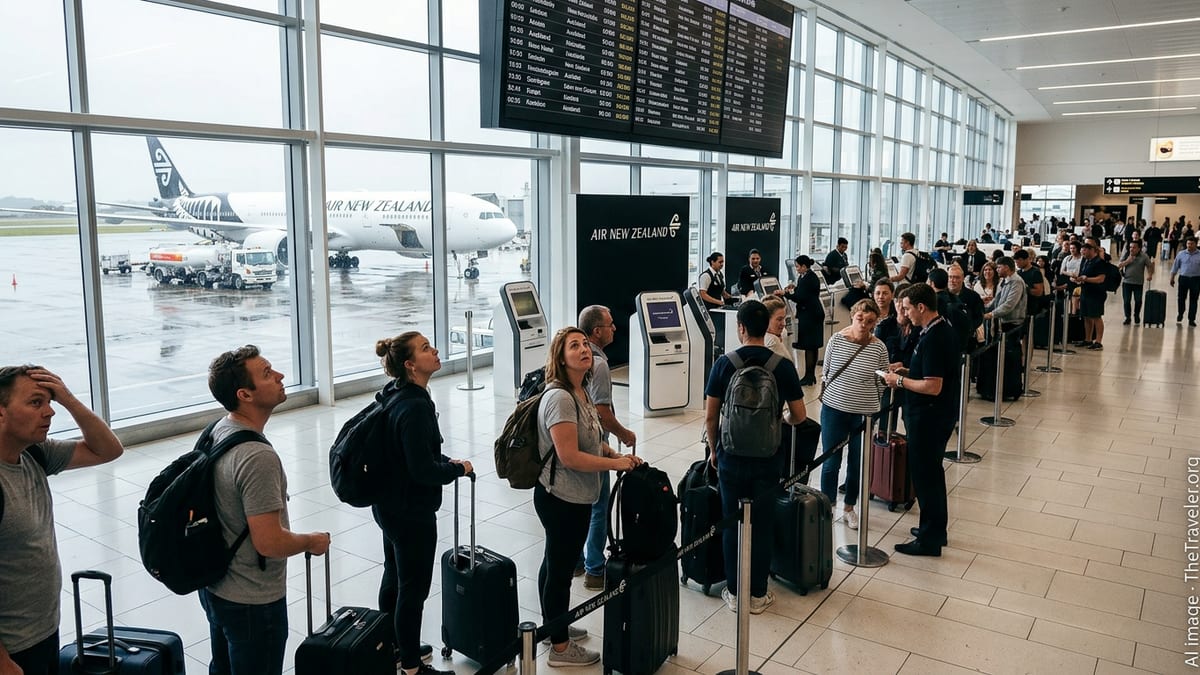
Air New Zealand Moves First as Fuel Costs Surge
In a statement to investors and customers on Tuesday, the Auckland-based carrier said it has implemented what it called “initial fare adjustments” across parts of its network, with the clear signal that more rises may follow if fuel markets remain unstable. The airline described the jump in fuel costs as “unprecedented,” saying the Iran war had caused extreme volatility in global jet fuel prices.
Air New Zealand has also suspended its financial guidance for the 2026 fiscal year, scrapping profit forecasts issued just two weeks earlier. At the time of that guidance, the airline had assumed an average jet fuel price of about 85 dollars a barrel for the second half of its financial year. Management now says that assumption is no longer realistic.
According to the airline, jet fuel that was trading in a range of roughly 85 to 90 dollars a barrel before the conflict is now fluctuating between 150 and 200 dollars. With an estimated 2.9 million barrels of fuel consumption expected between March and June, even modest price shifts translate into hundreds of millions of additional cost, leaving limited options other than higher fares, tighter schedules or both.
While some carriers have quietly nudged up prices in recent days, Air New Zealand is among the first major airlines to publicly frame explicit fare hikes as a direct response to the Iran crisis, setting a tone other airlines may soon echo.
How the Iran Conflict Is Driving Global Jet Fuel Prices Higher
The war with Iran, which intensified at the end of February, has roiled global energy markets by disrupting flows of oil and refined products from the Gulf. Attacks on infrastructure, drone strikes on refineries and mounting tensions around the Strait of Hormuz, a crucial shipping chokepoint through which a significant share of the world’s oil and liquefied natural gas moves, have pushed oil benchmarks sharply higher.
As crude prices have surged past 100 dollars a barrel and traders have scrambled to reroute tankers around conflict zones, the cost of producing and transporting jet fuel has leapt. Industry estimates suggest average jet fuel prices have effectively doubled in a matter of days, leaving airlines little time to hedge or adjust. Analysts note that war-risk insurance premiums, longer shipping routes around the Cape of Good Hope and concerns about potential further supply disruptions are all feeding into the spike.
Global aviation is particularly exposed to this kind of shock because fuel is typically an airline’s single largest operating expense, often accounting for a quarter or more of total costs. When prices jump as suddenly as they have in early March, hedging strategies can soften but not eliminate the blow. Air New Zealand, for example, has said it is heavily hedged on Brent crude itself for the coming months but remains significantly exposed to the “crack spread,” the difference between crude and refined jet fuel, which has blown out amid the turmoil.
Industry bodies warn that if the conflict widens or persists, jet fuel markets could remain extremely volatile well into the northern summer peak season, complicating capacity planning and potentially damping demand just as global travel had been stabilising after years of pandemic and inflation-driven disruption.
What Travelers Can Expect on Air New Zealand Routes
For passengers, the most immediate impact will be higher ticket prices, particularly on long-haul and fuel-intensive routes such as services linking New Zealand with North America, Asia and Europe. While the airline has not published a precise surcharge schedule, travel agents report noticeable increases on many international itineraries, and the carrier has signalled that “further pricing action” is likely if fuel costs stay elevated.
Network changes are also on the table. Air New Zealand has warned it may need to adjust its schedule and route map to manage costs and protect its financial position. That could mean trimming frequencies on marginally profitable routes, consolidating flights at off-peak times or delaying the launch of planned new services. Travelers on thinner regional and secondary international routes may see fewer departure options or less optimal connection times.
So far, the airline says there is no disruption to jet fuel supplies within New Zealand, and flights are operating broadly as scheduled. But executives are in close contact with fuel suppliers and the government, monitoring potential knock-on effects if the conflict spreads or if shipping constraints tighten further. In practice, that means timetables and prices could be updated at short notice as conditions evolve.
For now, domestic New Zealand fares appear to be rising more modestly than some long-haul prices, reflecting shorter stage lengths and intense competition on trunk routes. Even so, frequent business travelers and families planning school holiday trips are being urged by agents to book early, as any sustained fuel spike typically works its way into base fares and taxes over several weeks.
Global Airlines Brace for a Wider Fare Shock
Air New Zealand’s move comes as a warning shot for international travelers everywhere. Carriers across Asia, Europe and North America are reassessing their fuel surcharges and base fares as the Iran conflict drives up costs. Some airlines serving Asia–Europe corridors have already seen fares spike due to airspace closures and rerouting around the Middle East, even before fully accounting for fuel price increases.
Executives in the United States and Europe have started to caution about higher operating costs in recent days, with several flag carriers hinting at near-term price adjustments if fuel markets do not calm quickly. Low-cost airlines, which typically run on thinner margins and have less scope to absorb sudden increases in costs, may be especially quick to pass higher fuel bills on to consumers.
Investors, meanwhile, are closely watching airline share prices, which initially fell as oil surged but have since stabilised as companies signal their willingness to raise fares and scale back capacity if necessary. Analysts say the ability of airlines to push through fuel surcharges without collapsing demand will be crucial to determining how painful this shock becomes for the sector.
If the conflict eases and shipping lanes normalise, fuel markets could cool later in the year, potentially allowing some fare pressure to unwind. But the speed and scale of the current spike has already exposed how vulnerable global aviation remains to geopolitical tensions in the Gulf, and it is prompting a renewed debate about resilience, fuel efficiency and the pace of investment in alternative fuels.
Practical Tips for Travelers Facing Rising Fares
For travelers planning trips involving Air New Zealand or other carriers in the coming months, the new volatility argues for more careful planning. Industry consultants suggest locking in fares earlier than usual for essential travel, particularly for northern summer holidays and major events, as airlines recalibrate their pricing models.
Flexible dates and routes can help blunt the impact. Passengers willing to travel midweek instead of weekends, or to connect via alternative hubs, may still find relatively lower fares while airlines test where demand remains strongest. Using fare alerts and monitoring price trends closely over several days can provide a better sense of when airlines are pushing through increases or running limited-time sales to stimulate demand on specific routes.
Travelers should also pay close attention to fare rules and change policies. In periods of heightened geopolitical risk, schedules can shift quickly, and options for rebooking or rerouting become especially valuable. Premium economy and flexible economy tickets, while more expensive upfront, may offer greater protection if flights are consolidated or times are changed as airlines adjust networks in response to fuel and security developments.
For now, the message from Air New Zealand is that flying remains possible but more expensive, with a higher degree of uncertainty around future pricing. As the Iran conflict continues to reverberate through global energy markets, passengers everywhere are likely to feel that impact first in the cost of a ticket and, potentially, in the range of routes and frequencies available to them.