

More news on this day
A new partnership framework anchored by Thai Airways and South Korean carrier Air Premia is drawing India into a widening web of interline and codeshare links that promises smoother, more competitive travel between Southeast Asia and the Americas.
Get the latest news straight to your inbox!
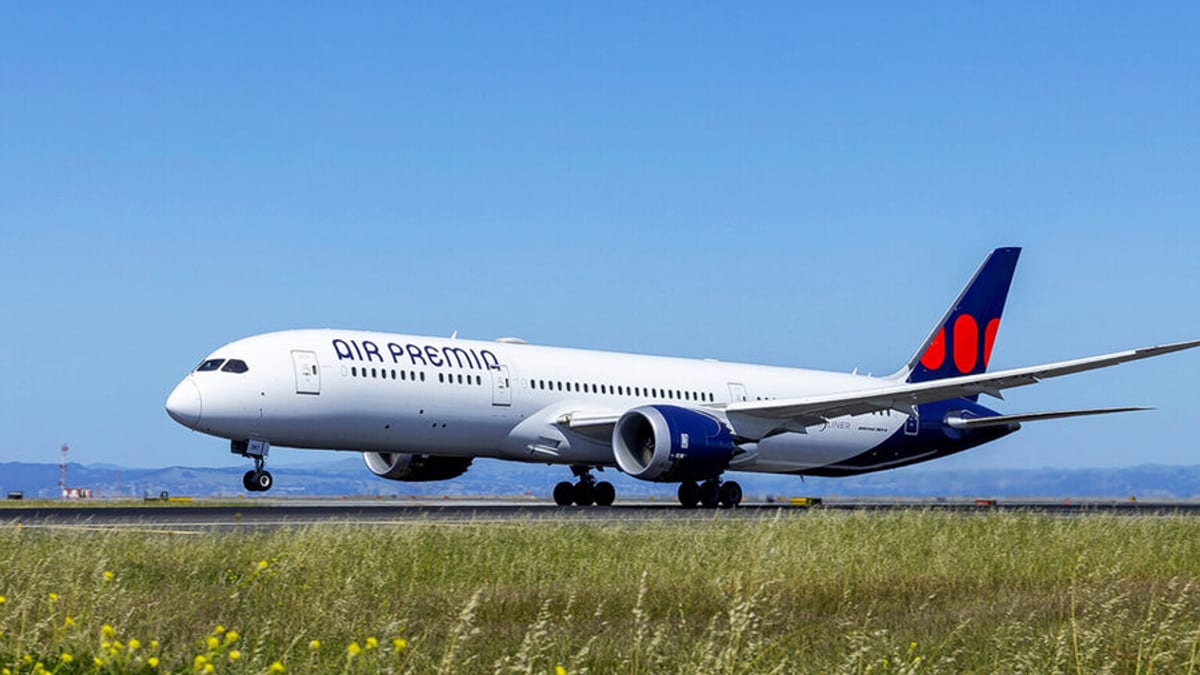
Image by Travel And Tour World
A Multi‑Hub Bridge Between Asia and the Americas
Publicly available information shows that Thai Airways and Air Premia are deepening commercial cooperation in a way that positions Bangkok and Seoul as joint gateways connecting Southeast Asia, South Asia and North America. While detailed terms of the tie-up are still emerging, industry reports indicate that the collaboration is built around aligned schedules and reciprocal ticketing that allow passengers to book single-itinerary journeys across both airlines.
Under this model, Thai Airways’ extensive network in mainland Southeast Asia and India can feed Air Premia’s growing portfolio of long-haul routes from Seoul to the United States and potentially other points in the Americas. For travelers in India, Japan, Vietnam, Singapore, Indonesia and Malaysia, this means a wider choice of one-stop options to US cities when itineraries are stitched together via Bangkok and Incheon.
The timing coincides with a broader recovery in trans-Pacific and trans-Asian demand. Traffic between Asia and North America has been rebounding, and carriers across the region are competing to secure connecting flows. The Air Premia–Thai Airways framework adds another combination into an already complex market, offering additional capacity and routing choices at a moment when demand for India–US travel in particular is strong.
Because Air Premia operates a smaller but focused long-haul fleet, the partnership structure allows it to tap into Thai Airways’ established regional presence without having to build a large short-haul network of its own. In turn, Thai Airways gains access to new long-haul seats across the Pacific that complement its own services and connect secondary Asian cities more efficiently to the Americas.
India’s Growing Role in Regional Partner Networks
India’s inclusion among the key markets highlighted in coverage of the Air Premia–Thai Airways partnership reflects the country’s rising influence in Asian aviation. Separate fact sheets and partner overviews show that Air India has steadily expanded its own web of codeshare and interline ties in recent years, including with Thai Airways, Vietnam Airlines, Japan Airlines, Malaysia Airlines, Singapore Airlines and major US carriers.
According to recent partnership summaries, Air India’s interline and codeshare arrangements now give its passengers onward access to hundreds of global destinations, including an extensive Southeast Asian network and multiple gateways in North America. That backdrop makes India an increasingly important origin and destination point for itineraries that may combine Air India or other Indian carriers with regional partners such as Thai Airways and long-haul specialists like Air Premia.
The new partnership architecture effectively extends that connectivity by layering an additional trans-Pacific option on top of India’s existing Middle East and Europe-focused flows to the Americas. Travelers beginning their journey in cities such as Delhi, Mumbai, Bengaluru, Chennai or Hyderabad can now consider routings that see them connect through Bangkok and Seoul before crossing the Pacific, rather than routing exclusively via Gulf hubs or European capitals.
For Indian corporate travelers in technology and services sectors, who frequently shuttle between India, Southeast Asia and the US West Coast, the added choice of schedules and intermediate hubs can translate into shorter overall journey times on specific city pairs and potentially more competitive pricing during peak seasons.
Expanded Options for Japan, Vietnam, Singapore, Indonesia and Malaysia
The partnership’s impact extends well beyond India. Air Premia has developed a presence in the Japan–Korea market and has targeted trans-Pacific routes linking Seoul with US cities, while Thai Airways maintains long-standing connectivity across key Southeast Asian economies such as Vietnam, Singapore, Indonesia and Malaysia. Bringing these strengths together effectively broadens the pool of Asia–Americas itineraries that can be ticketed on a single booking.
Travelers in Japan and Vietnam, for example, can link regional services into Bangkok or direct flights into Seoul with Air Premia’s long-haul segments to the US, adding competition to established joint ventures and alliance partnerships on those corridors. Singapore, Indonesia and Malaysia, whose carriers already cooperate closely with both Thai Airways and various US airlines under separate agreements, gain another one-stop option via the Bangkok–Seoul axis.
Industry analysts note that routings through Southeast Asia and North Asia are becoming more attractive as airlines adjust schedules and capacity in response to changing overflight constraints and cost pressures. Additional one-stop combinations via Thailand and South Korea give travelers from secondary Southeast Asian cities more flexibility when flying to the Americas, especially when nonstop or traditional one-stop options are sold out or priced at a premium.
The partnership also has potential implications for leisure flows. Southeast Asia remains a favored long-stay destination for visitors from North America, and combined itineraries involving Thai Airways and Air Premia could support complex multi-country trips that take in Thailand, Vietnam, Singapore or Indonesia before or after a trans-Pacific sector.
Benefits for US-Bound Travelers and the Wider Americas
For travelers heading to the United States and, in time, to other points in the Americas, the emerging network built around Air Premia and Thai Airways could deliver both convenience and redundancy. By providing additional one-stop options into major US gateways, the combined schedules can help absorb seasonal surges in traffic and provide alternatives when disruptions affect traditional routes.
North American carriers already maintain a dense web of codeshare ties in Asia, but capacity constraints and shifting alliance dynamics have periodically left gaps on certain secondary city pairs. Industry coverage suggests that newer entrants like Air Premia, when paired with established regional operators such as Thai Airways, are increasingly being used to plug those gaps and to open up thinner markets that might not sustain nonstop flights by large US airlines.
Although current operations are largely focused on US routes, analysts point out that the same model could be extended over time to connect Southeast Asia and India with destinations in Canada and Latin America. As other carriers in the region pursue or revive cooperation with Latin American airlines, the prospect of itineraries linking cities such as Bengaluru, Bangkok, Ho Chi Minh City or Jakarta with Mexico City, São Paulo or Bogota via an Asian and a North American hub becomes more realistic.
The partnership also dovetails with efforts by tourism authorities across Southeast Asia and India to attract longer-stay visitors from the Americas. More competitive fares and smoother connections can encourage travelers to visit multiple destinations on a single trip, benefiting hotels, tour operators and local airlines across the region.
Strategic Context: Competition, Alliances and Passenger Experience
The Air Premia–Thai Airways framework sits against a backdrop of intensifying competition between global alliances and a new wave of flexible, bilateral partnerships. Thai Airways is a long-standing member of Star Alliance, while Air Premia operates outside the major alliances. By cooperating on schedules, ticketing and potentially loyalty benefits in the future, the two carriers are part of a broader trend in which airlines mix alliance membership with independent partnerships to maximize reach.
Publicly available alliance and partner data illustrate how dense this ecosystem has become. Star Alliance members such as Thai Airways and Air India cooperate not only with each other but also with non-alliance carriers through separate codeshare or interline deals, including with airlines in Japan, Vietnam, Singapore, Indonesia and Malaysia, as well as several US carriers. Air Premia can effectively ride on top of that web without joining an alliance itself, using carefully structured agreements to offer passengers comparable connectivity.
From a passenger perspective, the success of the partnership will depend on operational details beyond the headline announcement. Factors such as minimum connection times at Bangkok Suvarnabhumi and Seoul Incheon, through-checking of baggage, disruption handling and the ability to accrue or redeem loyalty points across itineraries will determine how attractive the new options are compared with existing one-stop choices via the Gulf or Europe.
Nonetheless, the alignment between Air Premia’s long-haul ambitions and Thai Airways’ regional strength, combined with India’s growing role as both a source and destination market, points to a meaningful reshaping of travel flows between Southeast Asia and the Americas. As schedules are refined and additional city pairs come online, travelers in India, Japan, Vietnam, Singapore, Indonesia, Malaysia, the United States and beyond are likely to see a measurable expansion in both choice and connectivity.