

More news on this day
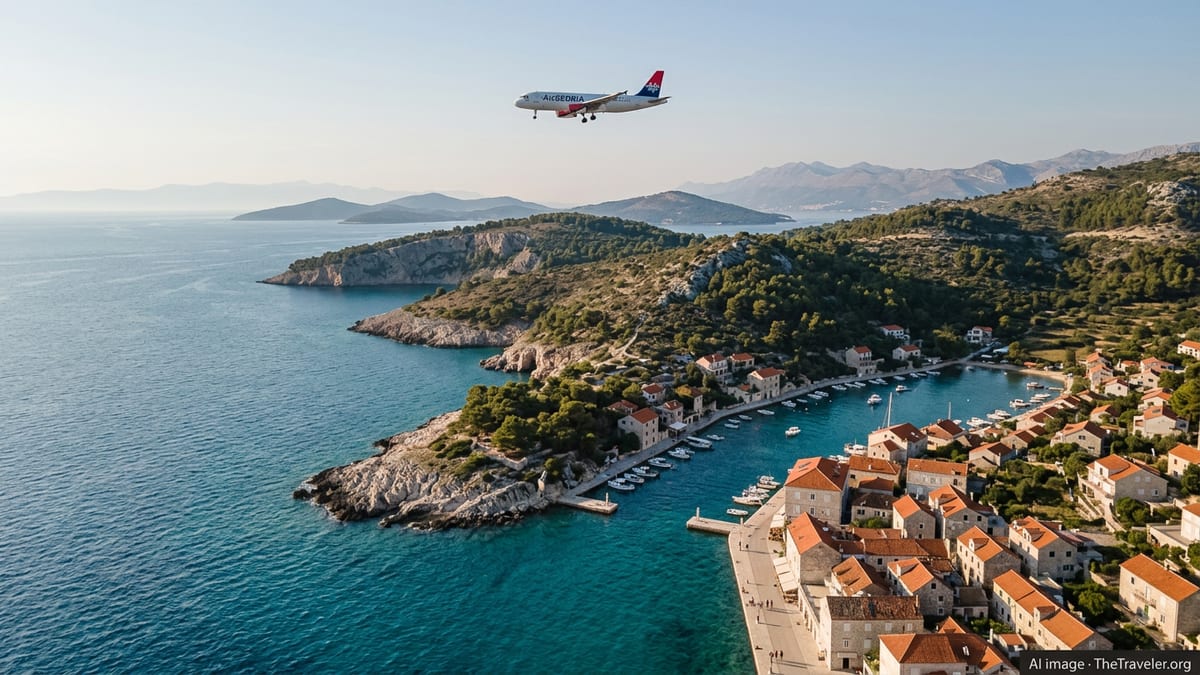
Air Serbia is set to launch a new seasonal direct service between Belgrade and Croatia’s Brač Island for summer 2026, creating a fresh link between the Serbian capital and one of the Adriatic’s most sought-after island destinations and further enhancing the carrier’s fast-growing network of leisure routes.
Get the latest news straight to your inbox!
New Summer Link Between Belgrade and the Adriatic
Publicly available information indicates that Air Serbia will introduce nonstop flights between Belgrade Nikola Tesla Airport and Brač Airport as part of its 2026 summer timetable, adding a new Adriatic island to the carrier’s seasonal portfolio. The move aligns with the airline’s broader strategy of growing its short-haul leisure network, which in recent seasons has focused heavily on Mediterranean and Balkan destinations.
Reports shared in regional aviation and travel forums indicate that the Belgrade–Brač route is planned as a limited summer operation, offering direct access to the Croatian island during the peak holiday period. The service is expected to appeal both to Serbian travelers seeking a seaside break and to international passengers using Belgrade as a transfer hub on their way to the Dalmatian coast.
By adding Brač to its map, Air Serbia is positioning Belgrade as a more compelling gateway for travelers heading to Croatia’s islands, complementing existing capacity to the Montenegrin coast and other regional summer hotspots. The development underscores how carriers in Southeast Europe are increasingly using seasonal point-to-point routes to capture strong demand during the warmest months.
Planned Schedule and Seasonal Operations
According to information circulating in aviation schedule reports and local media coverage, the new Belgrade–Brač service is expected to run during the core summer travel window in 2026, with operations concentrated from late June through early September. Indications suggest a twice-weekly pattern designed to capture weekend and midweek leisure demand while allowing for efficient aircraft utilization.
The schedule structure is expected to facilitate convenient departures from Belgrade, enabling travelers to reach Brač in under an hour of flight time. This significantly reduces overall journey times when compared with itineraries that require a combination of flights, road transfers, and ferry crossings via mainland airports such as Split.
As with many seasonal island services in the region, the route is anticipated to operate with narrowbody or regional aircraft configured for short-haul leisure flying. This approach allows the airline to adjust capacity in line with demand, while maintaining flexibility across its wider summer network, which also includes new and expanded routes to destinations such as Santorini, Baku and Toronto.
What the Route Means for Travelers
The launch of direct flights to Brač is likely to be welcomed by both Serbian holidaymakers and international visitors connecting through Belgrade. For travelers originating in Serbia and neighboring countries, the new service offers an additional option for accessing Croatia’s Adriatic coast without lengthy overland journeys or complex connections through other European hubs.
For passengers arriving in Belgrade from long-haul and regional flights, particularly from markets such as North America, Western Europe and the Caucasus, the new route adds another attractive onward connection. Brač’s appeal lies in its balance of dramatic landscapes and quieter atmosphere compared with some of Croatia’s busier island destinations, making it a strong choice for travelers seeking a more relaxed coastal stay.
Travel industry observers note that demand for Adriatic island holidays has remained robust, with travelers increasingly searching for destinations that combine natural scenery, heritage towns and outdoor activities. By providing a straightforward air link to Brač, Air Serbia is tapping into this trend while reinforcing Belgrade’s role as a transfer point for summer tourism in the wider region.
Brač Island’s Growing Tourism Profile
Brač, located in central Dalmatia, has steadily raised its profile among international visitors, thanks in part to the popularity of Zlatni Rat beach near the town of Bol and the island’s network of hiking and cycling trails. The island’s compact size, traditional stone villages and clear Adriatic waters have contributed to its positioning as an appealing alternative to better-known hotspots such as Hvar and Korčula.
Local tourism statistics from recent summers point to a rise in arrivals from Central and Eastern Europe, with travelers often combining Brač with visits to other parts of Croatia’s coast. Enhanced air access from Belgrade is expected to further diversify the island’s visitor base, supporting hotels, guesthouses and family-run accommodations that rely heavily on the peak season.
For destination managers on Brač, additional direct air links provide an opportunity to lengthen stays and encourage more sustainable patterns of tourism. Easier access by air can spread visitors beyond the most crowded ferry routes and help promote lesser-known parts of the island, from inland wine-producing areas to quieter bays and coves that are popular with independent travelers.
Strengthening Air Serbia’s Regional Strategy
The decision to add Brač for summer 2026 fits within a broader pattern of measured growth in Air Serbia’s network, as documented in recent schedule analyses and industry reporting. Over the past few years, the airline has balanced expansion into long-haul markets with targeted increases in seasonal routes around the Mediterranean and the Balkans, seeking to match capacity to strong leisure demand.
New services launching in 2026, including destinations such as Santorini and Baku, indicate that the carrier is continuing to pursue a strategy that mixes traditional city pairs with high-demand holiday markets. The addition of Brač supports this approach by reinforcing the airline’s presence in the Adriatic region while offering passengers more choice during the busy summer months.
For Belgrade Nikola Tesla Airport, the route contributes to a denser network of short-haul destinations and highlights the airport’s role as a regional hub. Increased connectivity to coastal and island destinations is expected to support passenger growth, improve transfer options and enhance the overall attractiveness of Belgrade as an entry point to Southeast Europe in the 2026 summer season.