

More news on this day
Travelers booking low cost flights with AirAsia in 2026 are being urged to double check who they are really talking to, as new customer service scams exploit confusion around contact channels, refunds and rebookings.
Get the latest news straight to your inbox!
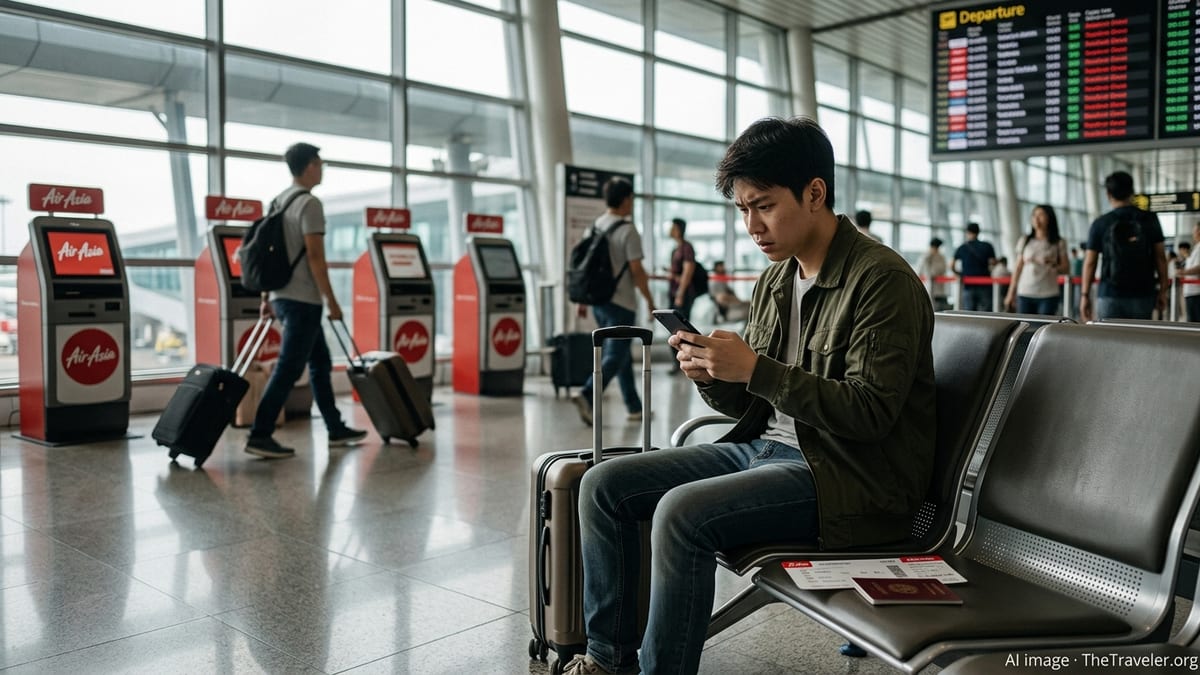
A Growing Wave of Fake Customer Support in 2026
Recent online reports indicate that fraudsters are increasingly impersonating AirAsia customer service through unofficial phone numbers, social media pages and third party travel agents. The schemes build on a broader pattern of bogus airline helplines and fake support channels that target travelers who are already stressed by delays, schedule changes or payment problems.
Publicly available information from consumer forums, local news coverage in Southeast Asia and airline advisories describes cases in which victims searched online for an AirAsia helpline and instead reached numbers promoted in ads, PDFs or directory style pages. Some of these materials present long lists of supposed global contact numbers or claim to offer full service booking by phone, despite AirAsia focusing its customer support through digital channels.
In parallel, coverage from the Philippines and regional outlets in 2024 and 2025 described scammers posing as AirAsia affiliated travel agencies and social media accounts, offering unusually low fares, then disappearing once payment was made. Those patterns are now intersecting with customer service impersonation, creating a more complex fraud landscape for passengers in 2026.
The risk is heightened because many travelers already struggle to reach a live representative for low cost airlines. Complaints about chatbots, account logins and refund delays have created a pool of frustrated customers who may be more likely to try any phone number or messaging account that promises faster help.
How the New Customer Service Scams Typically Work
Published examples suggest that one common approach begins when a traveler searches the web for "AirAsia customer service" or "AirAsia refund phone" and clicks an entry that looks like a helpline. The page may carry airline related branding or language, but closer inspection shows it is hosted by unrelated organizations or personal sites that simply embed phone numbers and generic instructions.
Once a traveler calls, the scammer presents as a support agent and requests booking references, dates of travel, passport details and payment card information. In some cases, callers are told that a booking problem, name correction or schedule change requires immediate payment of new fees, often via bank transfer or digital wallet. Victims may authorize charges believing they are dealing with an official escalation team.
Other schemes operate through messaging apps and social media, where accounts use airline logos and phrases such as "official customer care" or "priority support." Reports describe bogus agents asking customers to send screenshots of tickets and identity documents, then insisting that refunds or date changes are only possible if the traveler first pays a "verification" or "processing" fee.
There are also warnings about fake intermediaries advertising themselves as specialist AirAsia booking or complaint handlers. These operators may initially issue what looks like a valid confirmation, but customers later discover the booking was never ticketed, or that personal and payment data were misused for separate fraudulent transactions.
Red Flags Travelers Should Watch For
Across cases documented in consumer alerts and local reporting, several recurring red flags stand out. A prominent warning sign is any website, PDF or social post that lists multiple international "AirAsia customer service" numbers that do not match contact options shown inside the official app or on the airline’s primary domain. Many of these lists mix unrelated support numbers for different brands or include formatting that resembles keyword stuffing for search engines.
Another concern is pressure to complete actions exclusively by phone or private chat, especially when an agent discourages the use of the official app or website. Travelers are advised to be skeptical if supposed representatives insist that refunds, date changes or check in problems cannot be handled through normal self service tools and must instead be processed manually after a separate payment.
Unusual payment methods are a further indicator. Requests for bank transfers, payments to personal accounts, gift cards or informal money services are not typical of established airline workflows. Travelers should treat with caution any instruction to pay a fee before a booking can be confirmed, released, or refunded, particularly when that fee is not itemized on a booking summary.
Spelling mistakes, vague company information, and generic email domains can also hint at an impersonation attempt. While some legitimate small travel agencies do resell AirAsia tickets, reports recommend verifying that any intermediary is clearly identified and that reservations appear directly in the customer’s AirAsia account or in verifiable booking systems.
Checking Whether a Channel Is Genuine
Industry guidance for airline scams generally emphasizes starting from known official channels rather than search results or unsolicited contacts. For AirAsia, publicly available information shows that core customer interactions are routed through the airline’s website, mobile app and automated chat assistant, with limited or no emphasis on broad based telephone support lines in many markets.
Travelers are therefore encouraged to first log into their AirAsia account via the app or main site and manage bookings there, using embedded help functions rather than numbers copied from third party pages. If an email or message claims to be from the airline, passengers can compare booking references and personal details against data held in their account. Any mismatch should be treated as a warning sign.
When in doubt, many consumer protection agencies advise independently navigating to an airline’s official domain, typing the address rather than following links. From there, passengers can review any published guidance on scams, verify social media handles that the company publicly recognizes, and check whether there are country specific contact forms or channels.
Travelers who have booked through a reputable online travel agency or bricks and mortar agent can also cross check with that provider. Confirming whether a change or charge request was really initiated by the airline, and whether it matches known fare rules, can help filter out fraudulent communications that simply reference a flight number or route.
Practical Steps if You Suspect a Scam
Consumer advice for 2026 recommends that travelers who think they have contacted a fake AirAsia customer service line immediately stop communication and avoid sending further personal data. If payment details have been shared, card issuers can often block or reverse unauthorized charges when informed promptly, particularly if evidence of impersonation is provided.
Passengers are also encouraged to document the interaction, including screenshots of websites, chat histories, phone numbers used and any payment instructions. This record can assist banks, digital wallet providers and consumer protection bodies in tracing patterns and, in some jurisdictions, may support formal complaints.
Even when no money has changed hands, reporting suspicious numbers and accounts to platform operators can help limit future exposure for other travelers. Search engines and social networks often adjust their filters or take down content when they receive credible indications of misuse, especially in sectors such as aviation where brand impersonation is a known problem.
For travelers continuing to use AirAsia in 2026, awareness remains the strongest defense. By recognizing how modern impersonation scams operate, cross checking customer service channels against official information, and being cautious about urgent payment requests, passengers can reduce the risk that a stressful travel disruption turns into a costly fraud.