

More news on this day
Darwin’s direct low cost links to Bali and Kuala Lumpur will be cut from late April 2026, after AirAsia and Indonesia AirAsia confirmed they will suspend both routes as part of a broader shake up of the group’s Australian network.
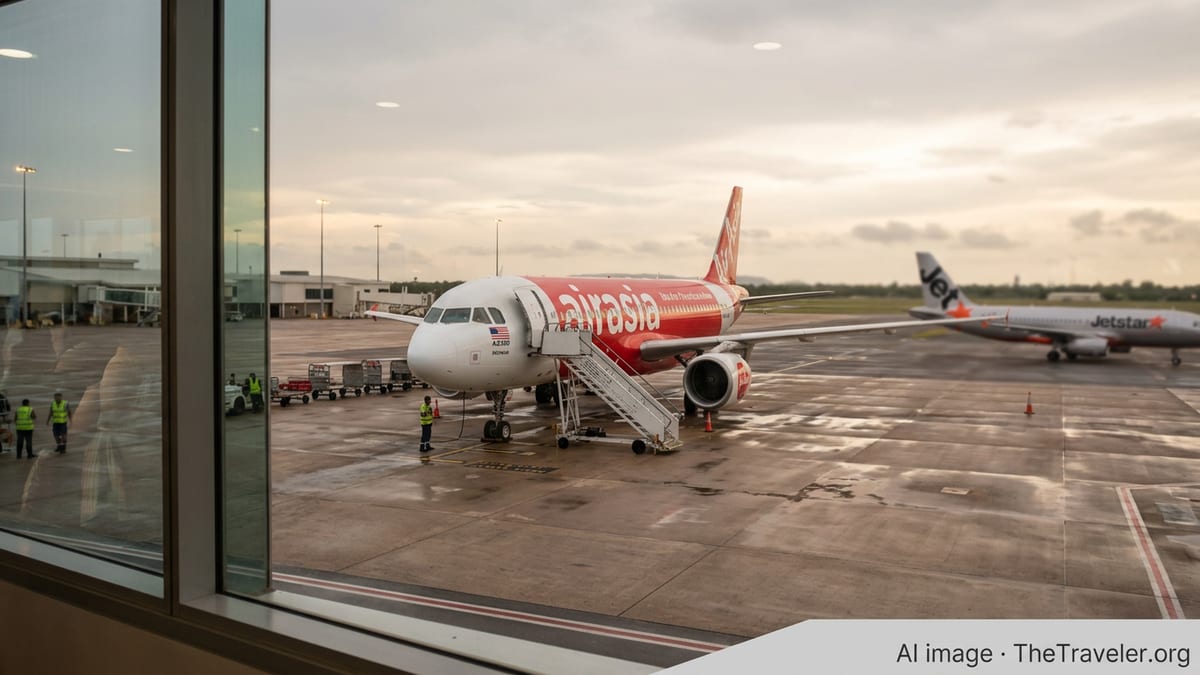
Darwin Flights to End After Less Than a Year Back in Market
AirAsia has scheduled its final Kuala Lumpur to Darwin service for 27 April 2026, ending a four times weekly link that only relaunched in June 2025. Sister carrier Indonesia AirAsia will also withdraw its Denpasar to Darwin flights on the same date, closing a short lived return to the Northern Territory that began in March 2025.
The decisions were outlined in new schedule filings and confirmed in an AirAsia network update which stated that flights between Darwin and both Kuala Lumpur and Bali will be suspended from 28 April. The move will once again leave Darwin without a direct connection to the AirAsia network, less than a decade after the group’s previous exit from the Territory in 2018.
Both routes have been operated with single aisle Airbus aircraft aimed at tapping demand from Territorians for affordable leisure travel to Southeast Asia, as well as connecting traffic beyond Kuala Lumpur and Denpasar. However, consistently thin passenger loads have been blamed for making the services commercially unsustainable.
For many local travellers, the withdrawal comes as a setback after a much heralded return that had promised new options and lower fares on key leisure corridors to Asia.
AirAsia Cites Unsustainable Demand, Plans Capacity Shift
In a statement explaining the changes, AirAsia said the decision followed close to 12 months of monitoring performance on the Darwin routes. The airline reported that demand had not developed to levels needed to support ongoing operations, prompting a redeployment of aircraft to what it described as more popular and higher capacity Australian markets.
The group now plans to deepen its presence at its four remaining Australian gateways in Melbourne, Sydney, Perth and Adelaide. It has laid out plans for up to 100 weekly frequencies across these ports during peak periods in 2026, compared with about 69 weekly flights last year, and is adding new services such as an inaugural Melbourne to Bali route from March.
AirAsia framed the Darwin withdrawal as part of a disciplined approach to growth, saying aircraft would be better utilised on routes where demand is proven and yields stronger. Airline executives stressed Australia remains a key strategic market and argued that concentrating capacity in larger cities would ultimately give more travellers in the country access to low fares into Asia and beyond.
The group also acknowledged the disruption for Territorians whose travel plans relied on the Darwin flights and apologised for the inconvenience caused by the suspension.
Refunds for Affected Passengers and Limited Alternatives
AirAsia has begun contacting affected customers booked to travel on Darwin services from late April onwards. The airline said passengers will be offered full refunds, with the carrier aiming to complete the refund process within 14 days of issuing a case number. Travellers have been advised they can track the status of their refund through the AirAsia MOVE app.
Some passengers learned of the cancellations via media reports and social media posts before formal notifications were issued, prompting frustration over communication. Others are now attempting to rebook on remaining options from Darwin, which are dominated by Jetstar services to Bali and Qantas Group domestic and connecting flights via major hubs.
Travel agents in the Northern Territory expect seat availability to tighten during peak school holiday periods once the AirAsia and Indonesia AirAsia flights disappear. With one less competitor on popular leisure routes to Bali and Southeast Asia, industry observers warn that average fares could trend higher, particularly on last minute bookings.
Consumer advocates are advising affected travellers to move quickly to secure alternative itineraries, especially for mid year trips, and to retain documentation in case any refund delays or disputes arise.
Local Backlash and Questions Over Future Airline Partnerships
The sudden reversal has drawn sharp criticism from some Northern Territory officials, who note that the government and airport worked to lure AirAsia back with marketing support and aviation incentive schemes. Ministers have publicly questioned whether the Territory can rely on the airline in future, given this is the second time in less than a decade that the group has withdrawn from Darwin.
Airport executives and tourism leaders, while disappointed, have pointed to structural challenges in sustaining international services from a small market. They highlight the limited local population base, seasonality in leisure demand and the sensitivity of low cost operations to factors such as airport charges, fuel prices and exchange rates.
There is concern that the loss of direct low cost capacity to Bali in particular could blunt efforts to grow the Territory’s tourism appeal among younger and budget conscious travellers. Industry groups argue that reliable, competitively priced air links are essential if the region is to attract more visitors and diversify its economy.
Territory authorities say they will review how taxpayer funded aviation incentives are deployed, with an eye to securing longer term commitments from future airline partners. At the same time, they insist work will continue to court new carriers and routes as part of broader tourism and trade strategies.
What the Suspension Means for Northern Territory Travellers
The withdrawal of AirAsia and Indonesia AirAsia from Darwin will narrow the range of direct international options available from the Top End, particularly for travellers bound for Southeast Asia. Many residents may now need to route via larger Australian cities to access the AirAsia network or other Asian carriers, adding time and cost to their journeys.
For outbound holidaymakers, Jetstar’s Bali flights will likely remain the primary low cost option from Darwin, while those heading to Malaysia and beyond may look to connect through Perth, Sydney, Melbourne or Adelaide. Travel planners expect more itineraries involving overnight layovers or early morning departures as passengers adjust to the new landscape.
The changes also have implications for inbound tourism. Without non stop services from Kuala Lumpur and Denpasar, the Territory becomes less visible on some overseas booking platforms and may be a harder sell for travellers seeking straightforward, affordable access to outback and Top End experiences.
While AirAsia has left the door open to a possible return if market conditions improve, for now Territorians face a more constrained set of choices to reach Asia by air. The development underscores the delicate balance required to sustain international routes from smaller cities, where even modest shifts in demand can determine whether an airline stays or goes.