

More news on this day
Latvian carrier airBaltic is preparing for a pivotal winter 2025–2026 season, unveiling new routes from its Baltic hubs that are expected to stimulate tourism flows across Europe’s sun, ski, and city destinations.
Get the latest news straight to your inbox!
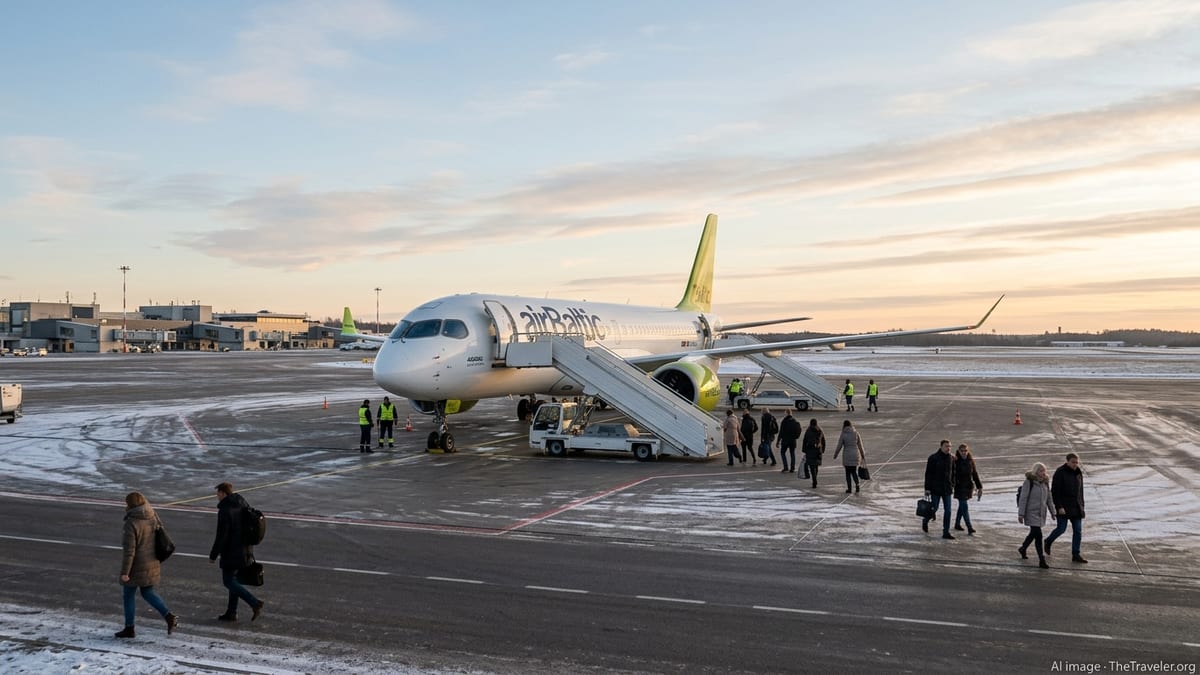
Expanded Winter Network From the Baltic Hubs
Publicly available information on airBaltic’s upcoming winter schedule indicates a sizeable network build-up from its bases in Riga, Tallinn, and Vilnius, as well as seasonal operations from Gran Canaria. The airline plans to operate more than ninety direct routes during the 2025–2026 winter timetable, connecting Northern and Eastern Europe with popular leisure markets to the south and west.
The latest schedule details highlight three headline additions planned for late 2025: Riga to Faro in Portugal’s Algarve region, Tallinn to Madeira off Portugal’s Atlantic coast, and new Gran Canaria services to Ljubljana in Slovenia and Molde in Norway. These routes complement airBaltic’s existing winter portfolio, which already includes links from the Baltics to destinations such as Innsbruck, Salzburg, Geneva, Verona, and Kittilä, serving many of Europe’s leading ski areas.
Industry reports also point to increased frequencies on established routes, including additional services to Amsterdam from all three Baltic capitals and extra capacity to Egyptian resorts such as Sharm El Sheikh and Hurghada during the colder months. Taken together, the schedule underlines a strategy focused on offering both sun and snow options while strengthening airBaltic’s position as a primary connector for the wider Baltic region.
Boost for Southern Sun Destinations in the Off Season
The introduction of a Riga to Faro link and Tallinn to Madeira service reflects growing demand for winter sun escapes among travelers in Latvia, Lithuania, Estonia, and neighboring markets. Faro acts as the gateway to the Algarve, where mild temperatures, coastal towns, and golf resorts remain attractive outside the traditional summer peak. Direct winter flights from Riga are expected to shorten travel times and make short breaks more viable for Baltic travelers who previously relied on connections via larger European hubs.
Madeira, long popular with visitors from Western Europe, will gain a fresh stream of passengers from Northern and Eastern Europe through the new Tallinn connection. The island’s subtropical climate, hiking trails, and year-round holiday infrastructure make it well suited to winter tourism, particularly for travelers seeking nature and milder weather rather than beach-focused stays. Additional air access from the Baltics could help diversify the island’s visitor mix and extend demand beyond its traditional source markets.
For tourism boards and local businesses in these regions, airBaltic’s decision to schedule direct winter routes signals confidence in off-season demand and in the willingness of travelers to explore beyond classic city breaks. Hoteliers, tour operators, and activity providers in Portugal and Madeira may see an opportunity to tailor products specifically to Nordic and Baltic visitors, from language support to bundled nature or wellness packages targeting shorter, long-weekend stays.
Strengthening Europe’s Ski and Adventure Corridors
While sun destinations are a central feature of the expanded winter timetable, airBaltic is also reinforcing its role in Europe’s ski and winter adventure market. In recent seasons the airline has added connections from Riga and Tallinn to alpine and Nordic gateways such as Innsbruck, Salzburg, Verona, Geneva, Kittilä, and other regional airports close to major ski resorts. The upcoming winter schedule builds on this pattern by maintaining or extending many of these links and integrating them into a wider network strategy.
For tourism regions in Austria, Italy, Switzerland, and Finnish Lapland, direct services from the Baltics open up a relatively affluent market of winter sports travelers who prioritize direct access and efficient travel times. Regional airports, which often rely on a mix of charter and scheduled services, stand to benefit from the additional seat capacity and the marketing exposure that comes with being featured in airBaltic’s seasonal route map.
The expansion of winter routes also dovetails with broader European trends showing increased demand for nature-based and experiential travel. Easier access from Riga, Tallinn, Vilnius, and Tampere to mountain and Arctic destinations encourages multi-country itineraries, such as combining a city break in a Baltic capital with several days of skiing or northern lights excursions. This, in turn, can support higher average visitor spending across different regions and lengthen stays during what were once considered shoulder periods.
Gran Canaria as a Strategic Seasonal Hub
One notable element in airBaltic’s evolving winter strategy is the use of Gran Canaria as a seasonal base, from which it will launch new links to Ljubljana and Molde alongside existing services. Gran Canaria’s appeal as a year-round destination with reliable weather and established resort infrastructure makes it a logical platform for connecting different parts of Europe during the off-peak months.
The planned Gran Canaria to Ljubljana route will connect the Canary Islands directly with Slovenia’s capital region, offering Slovene travelers another option for winter sun while also making the Alpine nation more accessible to visitors who may wish to combine a beach holiday with a tour of Central Europe. The additional service to Molde on Norway’s west coast fits a broader pattern of north–south leisure flows, enabling residents along Norway’s fjords to reach warmer climates without changing planes.
By positioning aircraft and crews in Gran Canaria for the winter season, airBaltic can better optimize utilization of its Airbus A220 fleet during a period when point-to-point demand within the Baltics is typically lower. This flexible deployment of capacity supports the airline’s commercial performance while also channeling incremental tourism traffic into multiple European regions that rely heavily on air access in winter.
Implications for Regional Connectivity and Tourism Growth
Beyond individual routes, airBaltic’s winter expansion contributes to a wider reshaping of regional connectivity in Northern and Eastern Europe. With nearly 130 routes now operated from its Baltic and Nordic bases across different seasons, the airline is increasingly positioned as a bridge between smaller cities and major tourism markets. Analysts note that this role is being reinforced by collaborations with larger European groups, as well as by growing multimodal links such as new rail services between the Baltic capitals.
For the tourism sector, the addition of winter routes can have outsized effects compared with similar capacity increases in summer. Additional flights during traditionally quieter months support year-round employment in hospitality and related services, stabilize occupancy levels, and encourage investment in new products that cater to off-season travelers, from wellness retreats to cultural festivals and sports events.
As bookings for winter 2025–2026 begin to open, travel trade observers will be watching how quickly demand materializes on the new routes to Faro, Madeira, Ljubljana, and Molde, and how these services interact with established ski and city-break flows. Early performance could influence whether airBaltic adds more frequencies or new destinations in subsequent seasons, shaping the next phase of tourism development across both the Baltic region and its growing constellation of partner destinations.