

More news on this day
Travelers planning 2026 trips are being urged to lock in tickets soon, as a rapid surge in oil and jet fuel prices linked to the war in the Middle East filters through to airline costs and begins to push airfares higher around the world.
Get the latest news straight to your inbox!
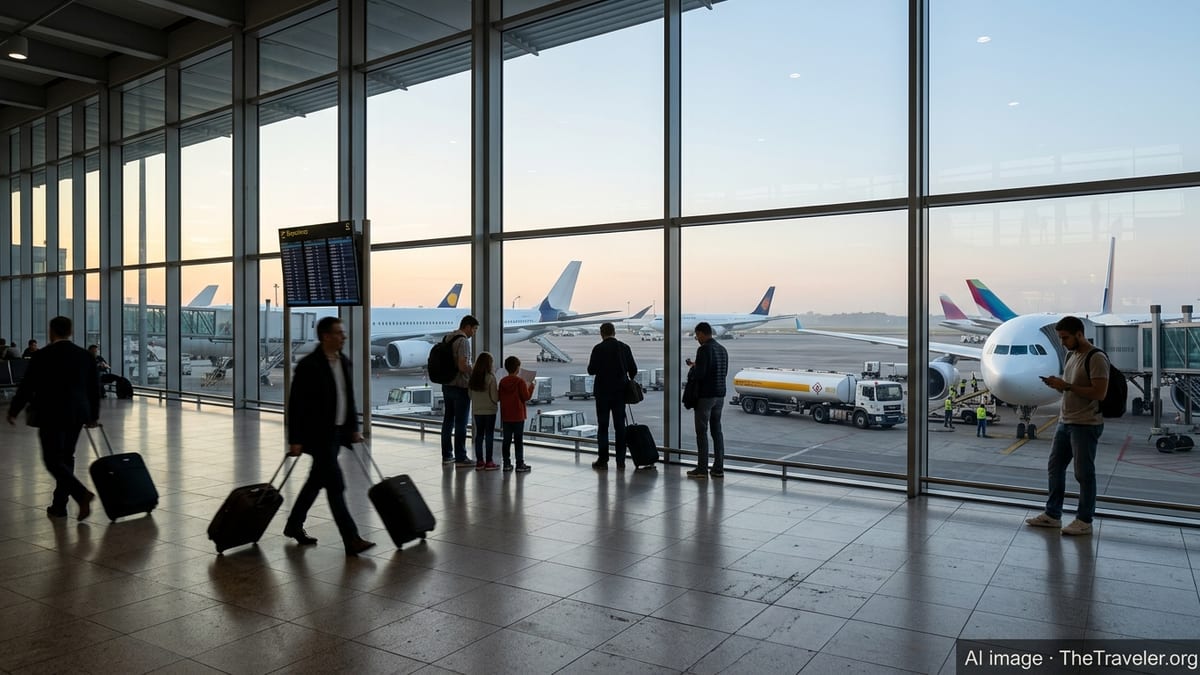
Oil Shock Sends Jet Fuel Costs Soaring
The latest escalation of conflict involving Iran and its neighbors has jolted global energy markets, with Brent crude climbing past 100 dollars a barrel in March and briefly spiking much higher as shipping through the Strait of Hormuz faces disruption. Analysts note that this chokepoint typically carries about one-fifth of the world’s oil, so any sustained tension quickly reverberates through fuel prices.
Publicly available economic assessments indicate that the cost of kerosene-based products such as diesel and jet fuel has more than doubled in the weeks since hostilities intensified. Industry trackers report jet fuel spot prices jumping from roughly mid-80s dollars per barrel before the conflict to ranges between 150 and 200 dollars, with some regional benchmarks temporarily trading even higher. This scale of increase is unusual outside of major supply shocks and leaves airlines facing a steep and sudden jump in operating expenses.
Because fuel is typically one of an airline’s largest single costs, often accounting for around a quarter or more of operating expenses, such movements have an outsized impact on profitability. Carriers that had been budgeting around relatively stable energy prices for the 2026 summer travel season are now revisiting forecasts and, in some cases, suspending financial guidance while they reassess the outlook.
Economic commentary from aviation consultancies suggests that if elevated oil prices persist into the second half of 2026, the industry could see a prolonged period of higher fuel bills. That raises the likelihood that today’s price adjustments will not be a brief spike but part of a broader reset in what travelers pay to fly.
Airlines Begin Passing Costs to Passengers
Early signs of the fuel shock are already visible in ticket prices and surcharges on several continents. According to published coverage in Asia and the Pacific, carriers such as Air New Zealand have announced fare increases across domestic, short-haul and long-haul routes, explicitly citing the jump in jet fuel costs and the uncertainty around future supply. Some have added fixed increases per ticket, while others are adjusting variable fuel surcharges tied to route length.
In Pakistan and other markets heavily exposed to imported aviation fuel, local reports indicate that sharp increases in jet fuel prices have quickly translated into higher base fares. Airlines serving those routes are warning that domestic and international tickets will rise further if wholesale costs remain elevated, with some carriers already implementing fare hikes or new surcharges this month.
Canadian travelers are also being warned to expect higher bills. Trade press reports note that major carriers on transatlantic and sun destination routes are preparing for fare hikes that could reach double digits in percentage terms, particularly on long-haul services to Europe and leisure destinations in Mexico and the Caribbean. Similar pressure is building in Southeast Asia, where aviation fuel benchmarks have surged and airlines are modeling operating cost increases of 50 to 60 percent in extreme price scenarios.
While many large airlines use hedging strategies to lock in a portion of their fuel needs at pre-agreed prices, these financial contracts only cover part of their consumption and typically roll off over time. Research by aviation finance specialists suggests that several European carriers remain partly shielded for 2026, but as hedges expire they will become more exposed to spot prices. For travelers, this means that the most pronounced fare increases may appear gradually as existing protection lapses.
What Higher Fuel Costs Mean for Summer Travelers
For passengers in the United States and Europe, higher fuel costs are colliding with strong demand for leisure and visiting-friends-and-relatives travel. Coverage of recent airline investor presentations indicates that major U.S. carriers are reporting record bookings for 2026, even as they flag that rising fuel bills will have a meaningful impact on results. Analysts note that with planes already expected to be busy, airlines have more room to nudge prices upward without sharply curbing demand.
Publicly available reporting suggests that the most immediate pressure is likely to be felt on long-haul international routes, which burn far more fuel per flight than short domestic hops. Transatlantic services, flights between Asia and Europe, and routes linking North America to the Pacific are all areas where travelers could see noticeable increases in base fares or fuel surcharges as summer approaches.
Some network planners are also reviewing route maps and capacity plans in response to the fuel shock. Trade reports describe airlines trimming marginal routes, shifting capacity toward higher-yield markets, or delaying planned expansions on fuel-intensive sectors until there is greater clarity on price trends. For travelers, this could mean fewer nonstop options and more reliance on one-stop itineraries through major hubs, particularly on secondary long-haul routes.
At the same time, travel industry commentary points out that competition remains intense on many popular corridors. Low-cost and leisure-focused airlines that did not hedge fuel as extensively may move faster to raise prices, while larger network carriers could adjust more gradually. The result may be a patchwork of fare changes that vary significantly by route, travel date and booking timing, rather than a uniform global increase.
How Travelers Can Adapt to a Rising Fare Environment
Consumer travel advisories from outlets such as Axios emphasize that travelers are not entirely at the mercy of rising fuel costs. One consistent recommendation is to book earlier than usual for peak months such as June and July, before airlines fully adjust their fare structures to reflect higher operating costs. With many carriers still selling inventory that was initially priced before the latest oil spike, early shoppers may find comparatively better deals.
Travel search data and fare-tracking services continue to show that flexibility is one of the most powerful tools for keeping costs in check. Flying on midweek days instead of weekends, choosing early-morning or late-night departures, and traveling slightly outside traditional school holiday windows can all deliver meaningful savings, even in a rising price environment. Some analysts highlight August and shoulder-season dates as potential relative bargains compared with peak early-summer departures.
Experts quoted in consumer-facing coverage also encourage travelers to pay closer attention to fuel surcharges and taxes listed in fare breakdowns. These components may rise faster than the base fare itself, particularly on long-haul itineraries. Understanding how much of the ticket is potentially variable can help passengers decide when to commit, whether to use points or miles, and which routes represent better value.
For those with flexibility on destination, shifting plans toward regions less affected by rerouted air corridors or extreme fuel spikes may also help. Shorter flights, especially within a single region, generally consume less fuel and may see smaller absolute price increases than ultra-long-haul trips that require more complex routings around restricted airspace.
Looking Ahead: Uncertainty Around Fuel and Fares
Looking beyond the coming months, industry forecasts present a mixed picture. Economic projections from aviation organizations released before the latest conflict anticipated relatively stable jet fuel prices for 2026, supporting modestly improving airline profitability. The sudden surge in oil and jet fuel has disrupted that narrative, and analysts are now revising outlooks to account for the possibility of a longer period of elevated energy costs.
Much depends on how the Middle East conflict and related shipping disruptions evolve. If tensions ease and oil flows normalize, fuel prices could retreat from recent peaks, reducing pressure on airlines to keep raising fares. However, if supply constraints persist or widen, the combination of higher input costs and still-robust travel demand could entrench a new, higher baseline for ticket prices in many markets.
Some commentators also point to longer-term structural factors that may keep upward pressure on fares over the next several years, including investments in more fuel-efficient aircraft, the gradual introduction of sustainable aviation fuel, and regulatory measures related to climate targets. While these changes aim to reduce emissions and improve resilience, they can also add to airlines’ cost bases, particularly during transition periods.
For travelers, the key takeaway is that airfare pricing in 2026 is being shaped by forces far beyond individual airlines or booking platforms. Monitoring news about oil markets, regional conflicts and airline financial updates can offer clues about when fares are likely to move. In the meantime, planning ahead, remaining flexible, and comparing options across carriers and dates will be increasingly important strategies for keeping trips within budget as the cost of fuel ripples through global aviation.