

More news on this day
Top executives from the largest U.S. airlines are calling on Congress to move quickly to resolve Transportation Security Administration staffing strains and mounting checkpoint delays as a partial government shutdown leaves tens of thousands of security officers working without pay during one of the busiest travel periods of the year.
Get the latest news straight to your inbox!
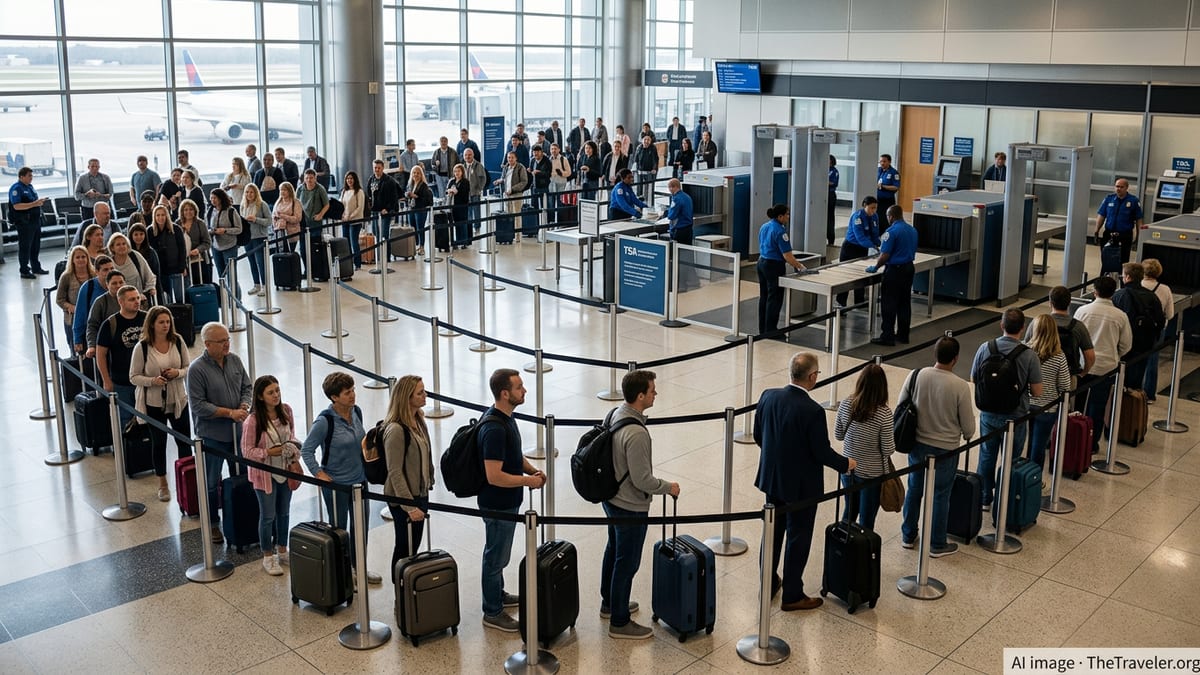
Industry Leaders Warn of Mounting Airport Disruptions
Publicly available coverage indicates that the CEOs of American Airlines, Delta Air Lines, United Airlines, Southwest Airlines and JetBlue Airways, along with leaders of major cargo carriers such as UPS, FedEx and Atlas Air, have jointly urged lawmakers to restore funding to the Department of Homeland Security. The department oversees the Transportation Security Administration, which is responsible for screening all passengers and baggage at U.S. airports.
The coordinated appeal comes as the shutdown enters its fourth week, with reports indicating that around 50,000 TSA officers are required to report to work but are not receiving regular paychecks. Airlines and travel industry groups argue that prolonged financial strain on front line security staff is beginning to translate into higher absenteeism, thinner staffing at checkpoints and longer passenger queues.
According to recent national reporting, executives are warning that the combination of unpaid federal security workers and record spring break demand risks cascading delays across the air travel system. They contend that even relatively modest staffing gaps at busy hubs can quickly lead to missed flights, missed connections and schedule disruptions that ripple across the network.
Long Security Lines Put Spring Break Travel Under Pressure
Reports from multiple airports over the past several days describe security lines stretching for hours at peak times as travelers encounter fewer open lanes and reduced staffing. Publicly available information from airport operators indicates that some terminals have advised passengers to arrive three to five hours before departure to clear checkpoints, compared with the typical recommendation of about two hours for domestic flights.
Coverage of conditions at airports in Houston and New Orleans during the March travel rush highlights how quickly wait times can escalate when staffing is tight. In some instances, airport dashboards and social media updates have shown estimated waits at standard TSA checkpoints climbing to three hours or more, prompting airlines to waive change fees or rebook affected travelers where possible.
Industry analysts note that long security lines do more than inconvenience travelers. Prolonged queues reduce the time passengers have available once they reach the gate area, which can affect airport concession revenues and strain already crowded gate hold rooms. For families and occasional travelers, unexpected delays at security can also shape perceptions of air travel reliability long after the shutdown ends.
Open Letter Links TSA Pay to Systemwide Reliability
According to widely circulated accounts of an open letter sent to congressional leaders and published in major national newspapers, airline CEOs are framing the situation as a direct threat to the overall reliability of U.S. air travel. The letter urges Congress to pass targeted measures that would guarantee pay for air traffic controllers and TSA officers regardless of the broader budget impasse.
Executives reportedly endorse several bills that have been introduced in Congress to create more stable aviation funding streams during federal funding lapses. Among them are proposals aimed at insulating key aviation safety and security functions from shutdown dynamics by allowing certain aviation-related fees and trust fund balances to be tapped even when other parts of the federal budget are frozen.
While the specific legislative path remains uncertain, airline leaders argue that ensuring pay for security screeners is essential to preserving staffing levels and avoiding a repeat of earlier shutdowns, when growing absences among unpaid workers contributed to temporary checkpoint closures and flight delays at major hubs.
Shutdown Fallout Reaches Travelers and Aviation Workers
The latest shutdown is unfolding during a period of robust demand for air travel, compounding its impact on both passengers and workers. Recent data cited in national coverage indicates that more than 2.7 million travelers have been clearing TSA checkpoints on some peak days, near record levels for this time of year.
At the same time, aviation labor organizations and traveler advocacy groups have been highlighting the financial pressure on TSA officers and other Homeland Security employees reporting to work without pay. Public statements from these groups describe workers struggling with basic expenses, including rent, transportation and childcare, and warn that continuing unpaid shifts could accelerate attrition in an already tight labor market.
Travel experts note that even if frontline staff continue to report, morale challenges and financial stress can affect the resilience of the system when unexpected weather or operational disruptions occur. With many airports already operating near capacity at busy times of day, the loss of a few screening lanes due to staffing shortfalls can quickly tip terminals into gridlock.
Calls Grow for Structural Fixes to Aviation Funding
Beyond the immediate push to restore Homeland Security funding, the current episode has revived debate over how tightly critical aviation functions should be tied to the broader federal budget cycle. Policy discussions described in recent reporting focus on whether air traffic control and passenger screening should have access to more insulated funding mechanisms to avoid becoming leverage in wider political standoffs.
Some aviation stakeholders have argued in public forums that repeated disruptions caused by shutdowns erode international confidence in the reliability of the U.S. air travel system. Others contend that predictable funding for security and safety roles would help with long term recruitment and retention, reducing the risk of chronic understaffing and the type of long wait times now confronting spring break travelers.
As negotiations continue on Capitol Hill, travelers are being advised in widely circulated travel guidance to allow extra time at airports, monitor airline alerts closely and be prepared for sudden changes in wait times at security checkpoints. For now, the appeals from airline CEOs underline how deeply the shutdown and TSA delays have become intertwined with the broader experience of flying in the United States.