

More news on this day
A new airline campaign is inviting travelers to put away their best shots and embrace their inner amateur, offering a reported $50,000 pay package and a trip to Iceland for what it calls the “world’s worst travel photographer.”
Get the latest news straight to your inbox!
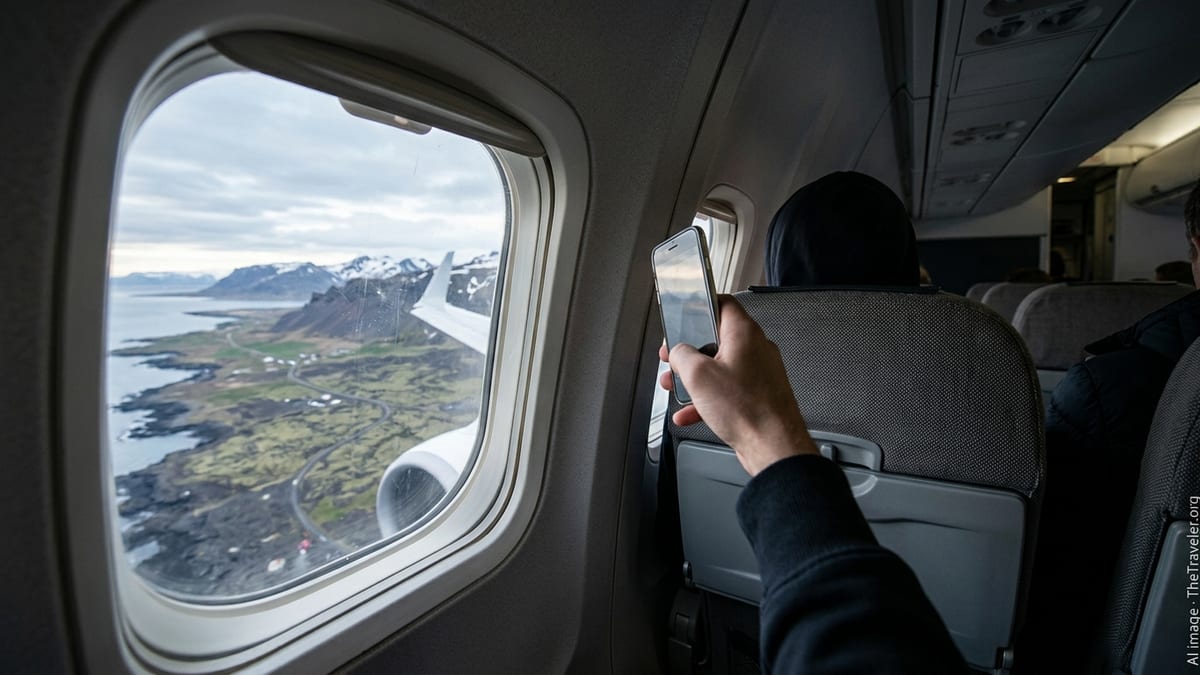
Unusual Job Offer Turns Bad Photography into a Selling Point
The campaign, which has quickly spread across social media and photography forums, promotes a one-of-a-kind role: an official “really bad photographer” tasked with capturing imperfect, offbeat images on an airline-backed trip to Iceland. According to publicly available information shared in online discussions, the position is structured as a short-term contract designed more as a headline-making promotion than a traditional staff job.
Reports indicate that the successful applicant will receive compensation valued at around $50,000, combining cash, travel, and related perks. The winner will travel to Iceland, shoot deliberately clumsy and off-kilter photos, and help the airline build a library of unconventional images that challenge the polished, hyper-edited look of typical tourism marketing.
The contest framework invites people to apply by showcasing their least impressive photography skills. Rather than sharp horizons and golden-hour perfection, the airline is encouraging blurry frames, awkward crops, and mishandled camera settings. The central idea is to highlight the joy of travel without the pressure of photographic perfection.
Public reactions suggest many see the campaign as a playful antidote to heavily curated travel content, where influencers and professionals often dominate attention. For everyday travelers who feel their photos rarely match what they see on social media, the offer reads almost like wish fulfillment: a paid role for someone whose holiday albums are full of missed moments and accidental shots.
Why Iceland and Imperfect Photos Make a Powerful Pair
Iceland’s appearance at the center of the promotion is no accident. The destination has spent the past decade building a reputation as one of Europe’s most photogenic countries, known for its waterfalls, black-sand beaches, volcanic landscapes, and frequent displays of the northern lights. Travel coverage often depicts the island as an open-air studio for serious photographers armed with tripods and advanced camera gear.
By pairing such a visually dramatic country with a “really bad photographer,” the airline is playing with contrast. Even a poorly framed, badly exposed image of Iceland’s scenery can still hint at the drama of the surroundings. Campaign materials and online chatter emphasize that the point is not to mock the landscape but to show that meaningful memories do not depend on flawless technique.
The airline’s approach also reflects broader shifts in how destinations market themselves. Tourism boards and carriers have increasingly embraced user-generated content and candid imagery, moving away from staged brochure shots. In this case, the promise is to go a step further and celebrate everyday imperfection: photos taken mid-stride, with fingers in the frame, horizons askew, or focus slightly off.
Travel analysts note that Iceland’s rugged, unpredictable conditions lend themselves to this narrative. With fast-changing weather, long winter nights, and swirling clouds around mountains and glaciers, even professionals can struggle to capture the “perfect” picture. The campaign reframes those challenges as part of the story, suggesting that the destination is worth visiting even if the photos turn out far from gallery-ready.
Inside the Contest: How Aspiring “Bad Photographers” Can Compete
Details shared in public campaign descriptions and online posts indicate that applicants are being asked to submit examples of their worst work, often alongside a brief explanation of why they consider themselves a terrible photographer. Instead of glossy portfolios, the process favors authenticity and a sense of humor about technical mistakes, from overexposed skies to unintentional motion blur.
Some participants on social platforms describe combing through old phone galleries and memory cards in search of their most chaotic travel images. Others say they are tempted to engineer new “bad” shots by misusing camera settings, though commentary from photographers suggests that convincingly poor results can be surprisingly hard to fake once someone understands the basics of exposure and composition.
Selection criteria have not been framed around technical scoring, according to publicly available copy and reports. Rather than awarding points for how out-of-focus or unbalanced an image is, the airline appears to be looking for entries that communicate personality, self-awareness, and a spirit of carefree adventure. The winning candidate is expected to be comfortable in front of and behind the camera, willing to travel, and enthusiastic about sharing their offbeat images with a wide audience.
Timelines and eligibility rules, including age and residency requirements, are typically outlined within the official contest materials. Travel observers suggest that anyone considering applying should review those conditions closely, as airline-backed campaigns often contain specific legal and logistical terms related to content usage, compensation, and how the winning images may be repurposed in marketing.
A Clever Play on Influencer Culture and Travel FOMO
The “really bad photographer” concept taps directly into frustrations many travelers feel when comparing their own snapshots to highly produced influencer feeds. Over the past several years, social media has filled with images that seem nearly interchangeable: drone shots over turquoise lagoons, dramatic silhouettes at sunset, and carefully color-graded cityscapes. Critics argue that this creates unrealistic expectations and fuels a sense of travel FOMO.
By publicly valuing the opposite style, the airline is positioning itself as an ally of casual travelers who simply want to enjoy their trip, regardless of whether they know how to operate manual shooting modes. Marketing specialists following the campaign describe it as a form of satire, poking gentle fun at the polished influencer economy while simultaneously benefiting from the same social sharing dynamics that made that economy powerful.
The approach aligns with a growing movement toward more relatable travel storytelling. In recent years, various tourism campaigns have spotlighted messy, real-world aspects of trips, from unpredictable weather to wrong turns and missed connections. In this case, the visual language shifts from perfection to playfulness: the photos may be “bad,” but the experiences they represent are framed as genuinely memorable.
Observers note that such campaigns also serve a commercial purpose. By encouraging thousands of people to engage, post, and discuss their worst photos, the airline gains a surge of brand visibility and free publicity. Even those who never enter the contest may become more aware of the route network to Iceland or consider the airline for a future trip, especially if the promotion stands out from more conventional fare sales and banner ads.
What This Means for the Future of Travel Photography
While the “really bad photographer” job is clearly a limited-time promotion, its underlying message may have longer-lasting influence. As travelers continue to balance the desire to document every moment with concerns about screen fatigue and performance pressure, campaigns that validate imperfect images can help reset expectations.
Industry commentators suggest that airlines and destinations may increasingly experiment with similar ideas, inviting visitors to share the unpolished side of their journeys. That could mean more emphasis on behind-the-scenes glimpses, accidental frames, and humorous mishaps, rather than only the postcard-perfect view. In turn, platforms and brands might begin to value originality and honesty over flawless technique.
For photography enthusiasts, the campaign serves as a reminder that there is space both for carefully crafted art and for carefree, technically flawed snapshots. Many seasoned photographers admit that some of their favorite images are far from perfect, capturing fleeting expressions or unexpected details that would have been lost in a more controlled setup.
For the eventual winner, the role promises not just a paycheck and a trip to Iceland, but also a rare chance to help redefine what successful travel imagery looks like in 2026. Whether the resulting photos are filled with motion blur, awkward framing, or misplaced focus, the story behind them may be what travelers remember most.