

More news on this day
Global airline stocks are under heavy pressure and passengers are bracing for sharply higher ticket prices as the 2026 Iran war sends fuel costs soaring and chokes off key Middle East air corridors, triggering mass flight cancellations and deep uncertainty for the travel industry.
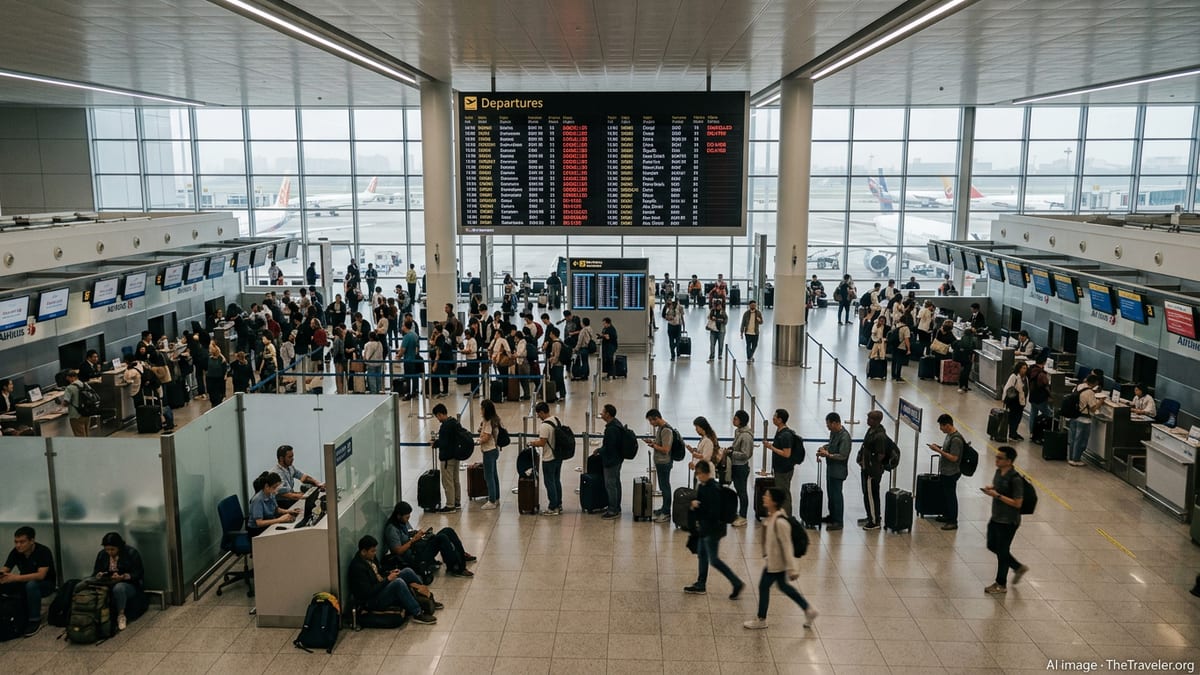
Markets Punish Airlines as Oil Spikes on Gulf Crisis
Investors have been dumping airline shares since Israel and the United States launched joint strikes on Iran on February 28, igniting a broader conflict that has roiled energy markets and air travel alike. As Brent crude vaulted past 100 dollars a barrel and briefly approached 120 dollars, jet fuel prices jumped far beyond what many carriers had budgeted for 2026, wiping billions off aviation market valuations in a matter of days.
Major United States carriers including Delta Air Lines, United Airlines, American Airlines, Southwest Airlines and Alaska Air Group have all suffered steep share price declines, with some dropping between 4 and 9 percent in recent sessions as investors reassess profit outlooks in light of far higher operating costs and disrupted networks. European and Asian airlines have also taken hits, though those with heavier fuel hedging are seeing somewhat softer blows to their stock prices.
The immediate shock has been most severe for airlines exposed to the busy east–west corridors that depend on Middle East airspace and Gulf hubs. Analysts warn that if hostilities and energy disruptions continue through the northern summer peak, the sector could see earnings forecasts slashed and a wave of capacity cuts, consolidations and emergency capital raisings.
Airspace Closures, Rerouting and a Web of Cancellations
The conflict has turned parts of the Middle East into no‑go zones for civil aviation. Airspace closures or severe restrictions over Iran, the United Arab Emirates, Qatar, Bahrain and adjacent Gulf waters have forced a web of cancellations and lengthy rerouting for flights linking Europe with Asia, Africa and Australasia.
Data providers estimate that tens of thousands of flights to and from the region have been cancelled since February 28, with some major Gulf airports operating on skeleton schedules or restricted to evacuation and cargo operations. Airlines from Europe, Asia and the Middle East have temporarily suspended services to affected destinations, stranding passengers and compressing capacity on alternative routings via northern or southern detours.
For long‑haul services that remain in the air, detours around conflict zones, the Strait of Hormuz and parts of the Red Sea are adding up to six hours of flying time on some Europe–Asia routes. That extra time aloft translates directly into more fuel burn and higher crew and maintenance costs, intensifying the urgency for airlines to recoup expenses through higher fares and fuel surcharges.
Fare Hikes Hit Leisure Travelers and Key Tourism Flows
Passengers are already feeling the squeeze. Carriers across several regions, including Qantas, Scandinavian Airlines, Air New Zealand and multiple US airlines, have announced initial fare increases or warned that higher prices are imminent as jet fuel bills surge. The hikes are landing first on long‑haul international routes, where rerouting is most extreme and competition is suddenly constrained.
Popular leisure corridors between Europe and Australasia, as well as South Asia and Europe, are among the hardest hit, with limited remaining capacity funnelled through alternative hubs and more northerly or southerly tracks. Analysts report double‑digit percentage jumps in average fares on some city pairs since the conflict erupted, with premium‑cabin seats particularly scarce as disrupted passengers jostle for rebooking options.
Travel demand itself is splintering rather than collapsing outright. Middle East and Gulf destinations are seeing sharp drop‑offs in inbound tourism as safety concerns grow, while demand is shifting toward what travelers perceive as safer regions such as East and Southeast Asia or intra‑European leisure hotspots. That pivot is amplifying fare pressure in unaffected regions as aircraft are redeployed and popular routes quickly sell out for the upcoming Easter and Eid holiday periods.
Regional Winners, Losers and the Search for Resilience
The financial impact of the crisis is uneven, highlighting structural differences in airline business models. Carriers heavily reliant on Gulf hubs and connections across West Asia face the greatest operational turmoil, with fleets under‑utilised and network maps redrawn overnight. Airlines in India and other South Asian markets are also facing extensive cancellations and detours, as a large share of their long‑haul traffic traditionally transits through Middle Eastern airspace.
By contrast, some Asia‑Pacific airlines with stronger balance sheets and diversified networks are moving quickly to capture displaced traffic by boosting frequencies on Europe‑bound routes that skirt the conflict zone. European carriers with robust fuel hedging programmes are also better positioned to absorb short‑term cost spikes, buying time to adjust schedules and pricing strategies more gradually.
Industry analysts caution that the crisis is unfolding at a time when many airlines are still rebuilding after the pandemic and grappling with aircraft delivery delays and chronic staffing shortages. That leaves limited slack to absorb another external shock. The airlines that emerge strongest are likely to be those able to swiftly reallocate capacity, negotiate flexible fuel and financing arrangements, and maintain customer confidence through clear communications and generous waiver policies.
What Travelers Can Expect in the Coming Weeks
For travelers planning international trips in March and April, the new reality is a more fragile and expensive global air network. Experts say fare volatility is likely to remain elevated as oil prices react to military developments in the Gulf and as insurers, regulators and airlines reassess acceptable risk levels for flying near conflict zones.
Passengers with itineraries touching the Middle East, the Gulf or key east–west transit hubs should expect schedule changes, enforced rerouting and possible overnight stays as airlines rework their operations. Flexible travel waivers and free date changes are becoming more common, but seats on alternative routes, especially nonstops that avoid troubled airspace, are limited and often significantly more expensive.
Travel professionals advise booking essential trips early, building generous connection times and monitoring airline apps closely for real‑time updates. While some carriers hope that the crisis will be contained within weeks, the industry is bracing for the possibility that disruptions and elevated fares could stretch into the summer, reshaping global travel patterns long after the current tensions ease.