

More news on this day
Global airlines are racing to add capacity for 2026, with Flynas joining carriers including Air Canada, EL AL, Etihad Airways and SpiceJet in rolling out millions of new seats to capture resurgent travel demand across key leisure, religious and visiting‑friends‑and‑relatives markets.
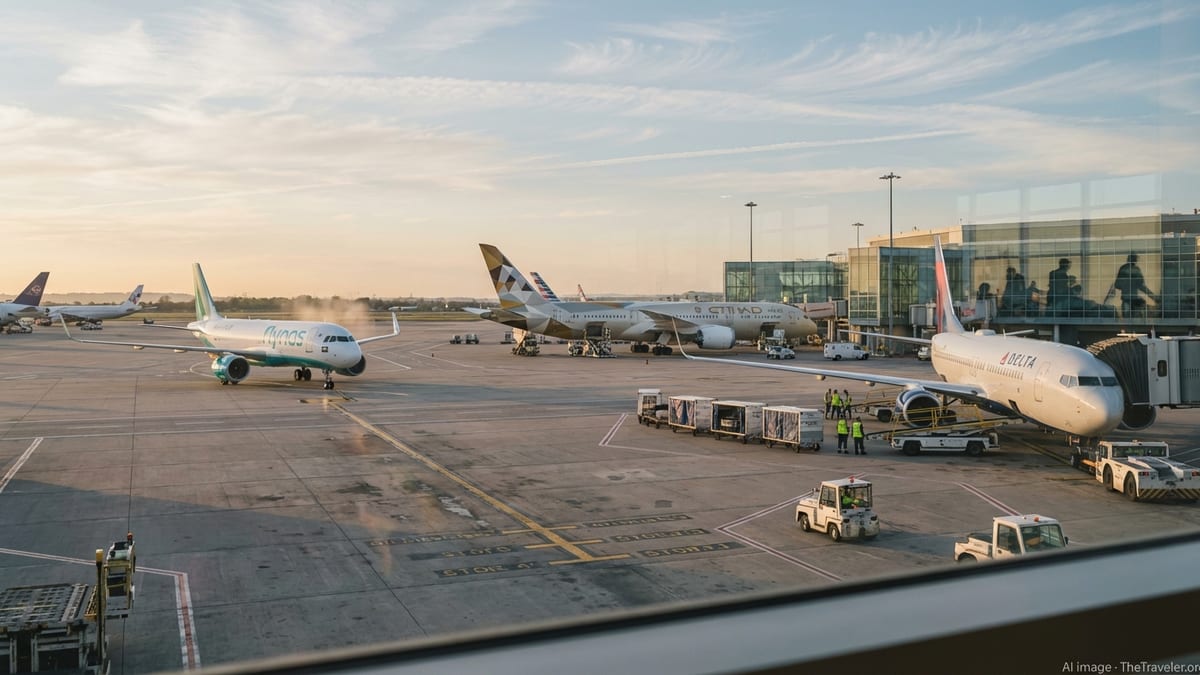
Flynas Ramps Up Seats and Routes Across the Middle East and Beyond
Saudi low cost carrier Flynas is among the latest airlines to move aggressively on capacity, building on the kingdom’s push to become a major global aviation hub. For Ramadan 2026, the airline plans to offer more than 1.7 million seats across its network, around 20 percent more than the same period a year earlier, as it caters to a surge in demand from pilgrims heading to Makkah and Madinah.
From March 29 2026, Flynas will also launch six new international routes from its new base in Abha, in Saudi Arabia’s southwest. The expansion will connect Abha directly with Dubai, Cairo, Istanbul and Addis Ababa, alongside seasonal flights to Kuwait and Trabzon in Türkiye, strengthening the carrier’s presence on short and medium haul corridors that feed both religious and leisure traffic.
Additional routes are being added from Jeddah to Entebbe, with new links to Rabat from both Jeddah and Madinah to follow, widening access between Saudi Arabia, Africa and North Africa’s key tourism and diaspora markets. Further out, Flynas is preparing a joint venture airline in Syria, expected by the final quarter of 2026, which would significantly expand regional connectivity and add further seat capacity into the Middle East.
The moves align closely with Saudi Arabia’s Vision 2030 goal of handling 300 million air passengers annually. As airports such as Riyadh’s King Khalid International undergo upgrades to streamline passenger processing, carriers like Flynas are responding with sharper network growth and denser schedules that together translate into millions of additional seats.
Etihad Airways Scales Up with Record Fleet and New 2026 Services
Abu Dhabi based Etihad Airways is pairing record financial results with an assertive capacity build out that will be felt across multiple continents in 2026. The airline reported its strongest ever profit for 2025, supported by a 21 percent jump in passenger numbers and the largest single year fleet expansion in its history, taking its operating fleet to 127 aircraft. Executives now expect to carry about 25 million passengers in 2026, underpinned by a larger and more efficiently deployed fleet.
Etihad’s capacity growth strategy combines new routes, higher frequencies and larger aircraft on select services. In Europe, flights between Abu Dhabi and Prague will increase from four weekly to six per week from March 29 2026, becoming a daily service from April 7, operated by Boeing 787 9 aircraft configured with nearly 300 seats. Expanded operations to Dublin and other key gateways will similarly add thousands of weekly seats into and out of Abu Dhabi.
The carrier is also turning again to its Airbus A380s to unlock additional capacity on high demand leisure routes. From October 25 2026, Etihad plans to deploy the 486 seat A380 once daily between Abu Dhabi and Bangkok, significantly lifting available seats and premium offerings on one of its busiest Asian routes. With nine A380s in the fleet and most now active, the airline is using the double deck jet selectively on markets where demand supports high density widebody operations.
Together, these steps form part of a broader expansion that has already seen Etihad open new services to cities including Atlanta, Prague, Warsaw, Addis Ababa, Phnom Penh, Hanoi and Hong Kong. While precise seat counts vary by route, the cumulative effect is a substantial increase in available capacity across Europe, Asia, Africa and North America as the carrier positions Abu Dhabi as a more prominent global connecting hub.
SpiceJet Bets on Doubling Capacity and a Larger Fleet by 2026
In India, low cost carrier SpiceJet is pursuing one of the region’s most ambitious capacity ramp ups as it works to cement a turnaround and capitalise on surging domestic demand. The airline recently reported a 56 percent jump in capacity for the quarter ending December 2025, with available seat kilometres rising to 277 crore and passenger load factors hitting 90 percent in the peak month of December. That surge helped more than double its domestic market share to 4.3 percent by the end of 2025.
Building on that momentum, SpiceJet has secured a memorandum of understanding for 10 additional aircraft and is targeting more than a doubling of capacity during 2026. Management aims to reach around 220 to 225 crore available seat kilometres by the winter schedule and operate more than 300 daily flights, a move that would add millions of extra seats across India’s trunk and regional routes.
The expansion is part of a broader plan, announced earlier, to grow the fleet to about 100 aircraft by the end of 2026 through a mix of reactivated grounded jets and newly inducted narrowbodies. By strengthening its presence at high traffic hubs and key tier two cities, the airline is seeking to improve utilisation, restore lost connectivity and compete more directly with larger rivals in a fast consolidating market.
For travellers, the strategy translates into more frequencies on dense domestic corridors, additional point to point links and potentially sharper pricing as capacity returns. For India’s tourism and smaller city airports, a larger SpiceJet footprint promises better access and higher volumes as the carrier redeploys seats into under served markets.
Canada, Israel and Other Markets Prepare for Heavier 2026 Schedules
The capacity surge is not confined to the Gulf and India. Across North America and the eastern Mediterranean, airlines and tourism agencies are signalling substantial seat growth for 2026 as confidence in long term demand strengthens. In Mexico, the Los Cabos Tourism Board reports that seat capacity from Canada to the popular Pacific resort is projected to rise more than 13 percent over the next six months, with January seeing a year on year increase of nearly 25 percent.
Canadian carriers, including Air Canada and its leisure focused competitors, are committing additional aircraft and frequencies to winter sun destinations as they lock in flying programmes for the 2025 26 season. While some capacity will be absorbed by larger gauge aircraft and schedule tweaks, officials in Los Cabos describe the build up as a sign of long term market confidence, driven largely by resilient outbound demand from Canada.
In Israel, EL AL has also been repositioning its network and capacity plans around improving long haul demand, particularly on North American services. Following capacity adjustments linked to regional security developments, the airline is gradually adding back seats on key routes and planning for a more robust 2026 schedule, banking on diaspora traffic and pent up tourism demand once conditions stabilise further.
Together, these developments point to a wider trend in which national carriers and leisure focused airlines are rebuilding or expanding their long haul networks in anticipation of sustained demand growth. For destinations that rely heavily on international visitors, advance seat commitments for 2026 are an important indicator of how quickly their tourism economies may scale back up.
What a Wave of New Seats Means for Travelers and Destinations
The latest announcements from Flynas, Etihad Airways, SpiceJet, Air Canada, EL AL and other carriers underscore how rapidly aviation is pivoting from post pandemic recovery to full scale growth. Millions of additional seats slated for 2026 will reshape competitive dynamics on routes spanning the Middle East, South Asia, Europe and the Americas, with low cost and full service airlines alike jostling for market share.
For travellers, increased capacity typically translates into more choice on departure times, additional non stop options and, in some markets, downward pressure on fares as airlines compete to fill seats. The deployment of widebodies such as the A380 on high demand leisure routes adds not only raw capacity but also more premium cabin inventory, catering to a segment of travellers willing to pay for extra comfort.
Destinations stand to gain from the higher volumes, with tourism boards in places like Abu Dhabi, Los Cabos and key Saudi cities closely tracking forward seat capacity as a proxy for expected arrivals. More flights and larger aircraft can encourage hotels to invest, expand or reopen, while also supporting wider economic activity in retail, transport and services linked to tourism and business travel.
At the same time, the rapid build up poses challenges around infrastructure, sustainability commitments and staffing. Airports must ensure terminals, runways and air traffic management can handle denser schedules, while airlines continue to recruit and train crew at scale. How successfully carriers and destinations manage these pressures will help determine whether the millions of new seats planned for 2026 translate into a smoother travel experience or renewed bottlenecks in the next phase of global aviation growth.