

More news on this day
As global tourism surges to record levels in France, Spain, the United States and China, airlines and hotel groups are accelerating a quiet but telling shift: replacing plastic-wrapped synthetic wipes with compact, compostable compressed cotton towels in cabins, lounges and guestrooms.
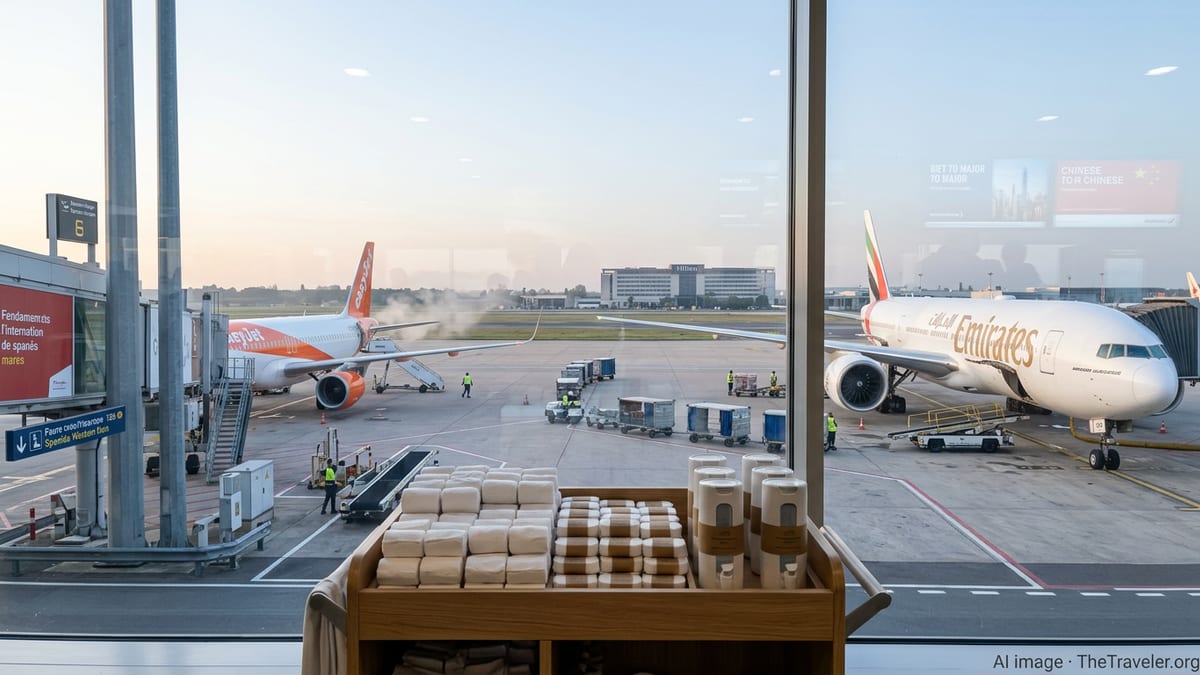
Record Tourism Puts Cabin Amenities Under Scrutiny
International travel reached an estimated 1.52 billion arrivals in 2025, with Europe leading the rebound and countries such as France and Spain posting historic visitor numbers. France welcomed around 102 million international tourists last year, while Spain drew nearly 96.8 million, both above pre-pandemic peaks. At the same time, Dubai and major Chinese hubs reported strong growth in long-haul traffic, underscoring how aviation and hospitality infrastructure is straining to keep pace with demand.
This boom is intensifying pressure on airlines and hotels to curb the environmental footprint of in-flight and in-room amenities, long dominated by single-use plastics. Traditional packaged wipes, polyester hot towels and miniature toiletry bottles add up to thousands of tonnes of waste annually, much of it ending in landfills or oceans. For carriers linking Europe, North America and Asia, the volume of short- and medium-haul flights has made even small, repeatable changes a priority.
Compressed cotton towels, which expand when moistened, are emerging as a favored alternative. Typically made from biodegradable, unbleached cotton and shipped in tightly packed rolls or pellets, they reduce packaging, cut cargo volume and can be disposed of with organic waste. For sustainability teams tasked with shaving grams from each passenger service item, they represent a practical way to trim both plastic and weight without sacrificing comfort.
EasyJet and European Carriers Test Lightweight Textile Swaps
Low-cost and leisure-focused airlines serving France and Spain, including UK-based EasyJet, have been at the forefront of experimenting with lighter, simpler cabin products that generate less waste. As routes between British, French and Spanish cities hit all-time high frequencies, procurement teams are revisiting every element of the onboard experience, from cups and cutlery to wipes and towels.
According to European aviation consultants, several short-haul carriers have begun trial programs replacing plastic sachet wipes with compressed cotton towels in premium rows and buy-on-board meal kits. EasyJet has not publicised a systemwide rollout, but suppliers active in its network say the airline is among those testing compressed formats compatible with existing galley water systems and trolleys. The goal is to offer passengers a hot or chilled towel service using fewer components, less foil and no laminated plastic pouches.
French and Spanish airports, where anti-tourism protests have put overtourism and waste under the spotlight, are also encouraging tenant airlines to present cleaner waste streams. Ground handlers report that compressed cotton units, when used with paper bands instead of plastic sleeves, simplify sorting and reduce contamination of recycling bins. For carriers serving dense intra-European schedules into Paris, Barcelona and Madrid, such incremental efficiencies are becoming central to sustainability reporting.
Emirates and Gulf Hubs Push Premium, Low-Waste Comfort
In the long-haul segment linking Europe, the United States, China and the Gulf, premium carriers such as Emirates are under pressure to retain their reputation for comfort while aligning with regional net-zero pledges. Emirates has already publicised initiatives to reduce single-use plastics and introduce more recycled materials in blankets and amenity kits, and industry suppliers say compressed cotton towels are increasingly part of the conversation for next-generation cabin refreshes.
Dubai, which reported record international visitor numbers in 2025, has positioned itself as a test bed for greener luxury travel. On routes connecting Paris, Barcelona, New York and major Chinese cities with the emirate, demand for business and first-class seats has rebounded strongly. That has sharpened focus on the cumulative impact of hot towel services offered multiple times per flight, particularly on ultra-long-haul sectors exceeding 12 hours.
Catering vendors working across Gulf hubs report that some premium carriers are trialling thicker compressed cotton towels that can be laundered and reused on shorter rotations, as well as single-use options made from organic cotton and packed in paper-based films. For airlines flying widebody aircraft into France, Spain and US gateways, the ability to claim lower waste and reduced plastic use in their most visible service rituals has become a competitive marketing point.
Hilton and Global Hotel Brands Phase Out Plastic-Wrapped Wipes
In the hotel sector, where guest nights in France and Spain are setting records and US and Chinese urban stays are climbing rapidly, groups such as Hilton are advancing broader campaigns to cut plastic and textile waste. Hilton’s global environmental strategy calls for steep reductions in single-use plastics, and the company has been phasing out miniature toiletry bottles and unnecessary plastic packaging across its portfolio.
Compressed cotton towels fit into this agenda as multipurpose items for guestrooms, spas and meeting facilities. Instead of offering individually wrapped makeup wipes or synthetic refreshing cloths, some Hilton properties in Europe and Asia have begun stocking compact cotton pellets presented in reusable glass jars or paper tubes, which expand when guests add water. Housekeeping managers say the format helps standardize ordering and reduces storage space, especially in high-occupancy urban hotels in Paris, Barcelona and Shanghai.
Other global chains, from upscale US brands to Chinese business hotel operators, are following a similar path, driven by both regulation and guest expectations. With several European countries tightening rules on single-use plastics in hospitality, and US cities considering bans on certain items, hoteliers see compressed cotton towels as an easy win that can be rolled out at scale. For properties serving heavy volumes of international arrivals, the towels have the added benefit of being intuitive for guests from different cultures and age groups to use.
China’s Aviation Rebound and the US Sustainability Catch-Up
In China, where outbound and domestic travel have rebounded sharply from pandemic-era lows, airlines and airport lounges are rapidly updating their amenity lines. While official tourism arrival numbers still lag some pre-crisis benchmarks, major carriers and high-speed rail operators are investing in products that signal cleanliness and environmental responsibility to a growing middle class. Compressed cotton towels, already familiar to many Chinese consumers in restaurants and trains, are now appearing more frequently on regional and international flights.
US airlines, by contrast, are under scrutiny for weaker inbound tourism growth and for lagging European peers on visible sustainability initiatives. With arrivals to North America dipping in 2025 even as global tourism hit new records, analysts argue that carriers need to improve both perception and product. Several large US airlines have announced plans to cut single-use plastics in cabins, refit galleys and source more sustainable textiles, and suppliers say compressed cotton towels are increasingly included in tender requests for new amenity contracts.
Industry observers note that collaboration across the France–Spain–US–China travel corridor will be critical. Many passengers now combine European city breaks with long-haul trips to or from North America and Asia, encountering multiple airlines and hotel brands on a single journey. Consistent use of low-waste amenities such as compressed cotton towels, recycled blankets and refillable bathroom products could help reduce the overall footprint of these complex itineraries while signaling a shared commitment to more responsible mass tourism.