

More news on this day
Travelers at Bangkok’s Suvarnabhumi Airport are facing fresh disruption as multiple carriers, including Bangkok Airways, China Eastern Airlines and Gulf Air, cancel key regional and long haul services, leaving passengers scrambling for alternatives to Shanghai, Manama, Kuala Lumpur and other major hubs.
Get the latest news straight to your inbox!
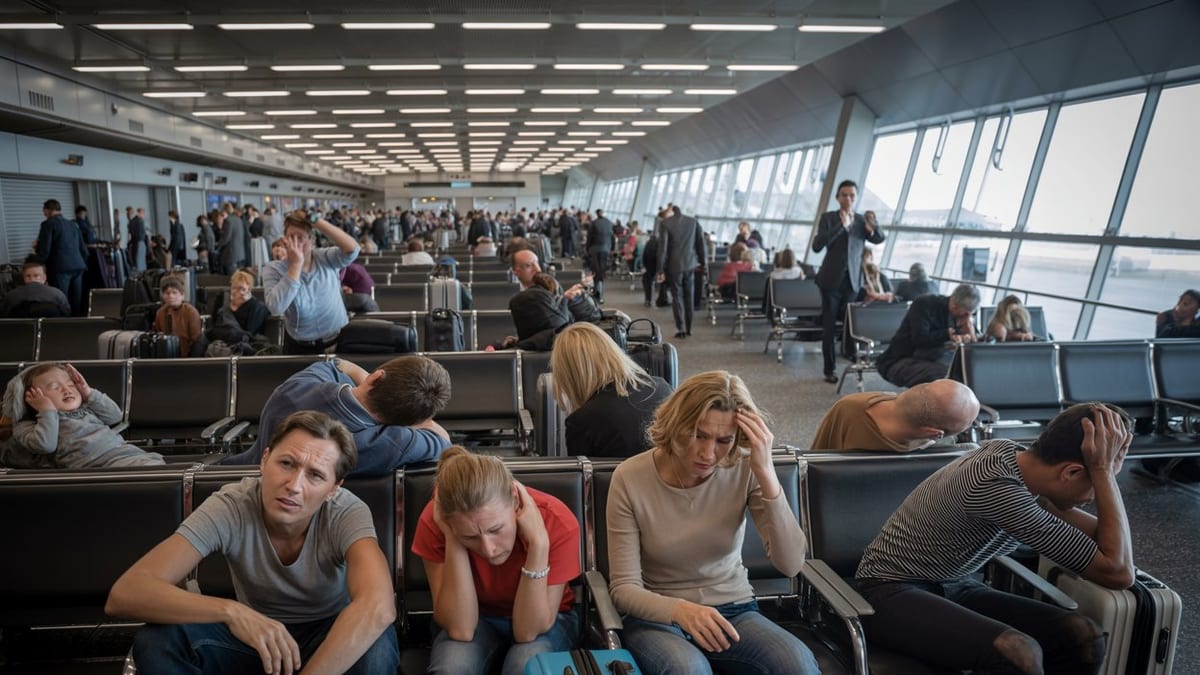
Image by Travel And Tour World
Four High Impact Cancellations Hit Key Regional Routes
According to published coverage and publicly available schedule data, a cluster of cancellations in recent days has centered on four heavily used links from Suvarnabhumi: Bangkok Airways services on regional routes, China Eastern Airlines flights to Shanghai, Gulf Air’s connection to Manama and selected services to Kuala Lumpur operated by other carriers. While the total number of individual flights is limited, their role as feeders to wider global networks has amplified the impact.
Publicly available information on airline timetables shows that China Eastern’s Bangkok to Shanghai Pudong operations have seen targeted cancellations, compressing capacity on one of the busiest business and leisure corridors between Thailand and mainland China. At the same time, regional reporting indicates that Gulf Air is among several Gulf carriers trimming or suspending flights on certain days as networks are adjusted around pressure points in Middle East airspace.
Bangkok Airways, a major regional operator based in Thailand, has previously outlined passenger rights in the event of delays and cancellations in documents published for travelers. Those policies are now being tested as disrupted services within Southeast Asia affect onward links from Bangkok to other regional capitals, including Kuala Lumpur, where seats are already tight due to wider rerouting trends in Asia.
A review of aviation industry reporting suggests that these individual cancellations align with a broader pattern of tactical cutbacks by Asian and Gulf carriers in response to volatile demand, congested alternative routings and crew and aircraft positioning challenges. For passengers on the ground in Bangkok, however, the practical effect is simple: longer waits at Suvarnabhumi and fewer immediate options out of Thailand.
Middle East Tensions and Rerouted Traffic Add Pressure
Recent analysis of the regional aviation market describes a system still digesting the ripple effects of conflict in the Middle East, which has forced certain airlines to suspend routes or fly longer detours around sensitive airspace. Travel industry coverage notes that large Gulf carriers have already cancelled thousands of flights as they rework schedules, while smaller regional players including Gulf Air and Kuwait Airways have reported multiple cancellations in key weeks.
These shifts have made traditional Middle Eastern hubs less predictable for through passengers connecting between Europe, Africa and Asia. As a result, more traffic is being funneled through alternative hubs such as Bangkok, Kuala Lumpur, Singapore and East Asian gateways. Extra demand into and out of Suvarnabhumi can turn even a small set of localized cancellations into a visible disruption, especially at peak hours.
Commentary from aviation analysts indicates that airlines are trying to balance operational safety, crew duty constraints and fuel costs with the need to preserve connectivity. When weather, aircraft availability or airspace restrictions intersect with this already complex environment, point to point routes like Bangkok to Shanghai or Bangkok to Manama can become vulnerable to short notice schedule changes.
For airlines such as China Eastern and Gulf Air, Suvarnabhumi is not just an endpoint but a spoke in larger networks. The loss of a single rotation can cascade into missed long haul connections, pressuring carriers to consolidate passengers onto fewer departures and cancel lightly booked or operationally difficult flights.
Stranded Passengers Face Long Queues and Limited Alternatives
Travel forums, social media posts and local news coverage from Thailand in March 2026 describe long queues at transfer counters and airline desks at Suvarnabhumi as travelers attempt to rebook after cancellations and missed connections. Accounts from passengers reference hours spent in line, uncertainty about reissued tickets and difficulties finding reasonably priced last minute alternatives.
Reports indicate that some travelers affected by cancellations from Bangkok toward the Gulf have been reprotected on remaining services with other carriers, often via alternative hubs such as Singapore, Hong Kong or major Chinese cities. Others have opted to purchase entirely new tickets on East Asian or European airlines operating direct or one stop routings that avoid the most affected Middle Eastern airspace.
Publicly available guidance from Bangkok based carriers emphasizes that passengers whose flights are cancelled are generally entitled to either rebooking on the next available departure, a change of route subject to seat availability or, in some cases, a refund. However, when an entire day’s allocation of flights to a destination such as Shanghai or Manama is reduced, the “next available” option may be several days away, particularly for economy class travelers.
Meanwhile, hotel occupancy around the airport and in central Bangkok has been boosted by stranded passengers needing to extend their stay. Travel discussion boards show travelers comparing experiences of airline provided accommodation, meal vouchers and insurance claims, with outcomes varying widely depending on the carrier, ticket type and point of purchase.
Shanghai, Manama and Kuala Lumpur Links Under Scrutiny
The specific impact on routes to Shanghai, Manama and Kuala Lumpur has drawn attention because these cities function as onward gateways for significant numbers of travelers heading to Europe, North Asia and the Middle East. Airline network maps and schedule databases highlight Shanghai as a primary long haul hub for China Eastern and other Chinese carriers, meaning any reduction in Bangkok to Shanghai capacity is felt far beyond the two cities.
In the Gulf, Manama acts as Gulf Air’s main hub, connecting Southeast Asia with the wider Middle East and parts of Europe. When Bangkok to Manama flights are cancelled or rescheduled, passengers can lose same day connections onward to destinations from the Levant to Western Europe, forcing longer layovers or complete rebookings through different hubs.
Kuala Lumpur, while geographically closer to Bangkok, is also under pressure. Publicly available airport and airline data show that the Malaysian capital has been absorbing additional connecting traffic as travelers seek alternatives to disrupted Middle Eastern hubs. Any cancellations on the short Bangkok to Kuala Lumpur sector can therefore strand passengers who intended to pick up long haul flights from Malaysia’s main gateway.
Flight tracking and fare search platforms reflect this squeeze, with higher prices and reduced availability on remaining departures from Bangkok to these key cities on the most affected days. Travel agents and online intermediaries are reported to be steering some passengers toward less obvious routings through secondary hubs, though these often involve multiple stops and overnight connections.
What Travelers Flying Through Bangkok Should Do Now
Given the current environment, travel experts quoted in regional media encourage passengers with upcoming trips through Bangkok to monitor their bookings closely and stay flexible. Travelers are advised to check airline notifications, manage reservations through official apps or websites where possible and allow extra time between connections, particularly when itineraries rely on Gulf or Chinese hubs.
Publicly available consumer advice also suggests that travelers review the fare conditions of their tickets, including change penalties and refund rules, before making voluntary changes. Flexible or semi flexible tickets may allow rerouting through alternate hubs such as Singapore, Tokyo, Seoul or Taipei without prohibitive extra costs, while deeply discounted fares can be more restrictive.
Insurance policies that include disruption coverage are another factor. Many policies require documentation of cancellations and delays, and some may exclude events linked to conflict or airspace closures. Travelers attempting to claim for extra hotel nights in Bangkok or missed onward flights from Shanghai, Manama or Kuala Lumpur are being reminded in public advisories to keep receipts and screen captures of airline communications.
For now, the situation at Suvarnabhumi remains fluid, with airlines adjusting timetables as conditions evolve. Passengers planning to use Bangkok as a gateway in the coming weeks are likely to face occasional cancellations and reroutings, but industry watchers note that alternative paths out of Thailand remain available for those prepared to adapt their plans and, in some cases, their budgets.