

More news on this day
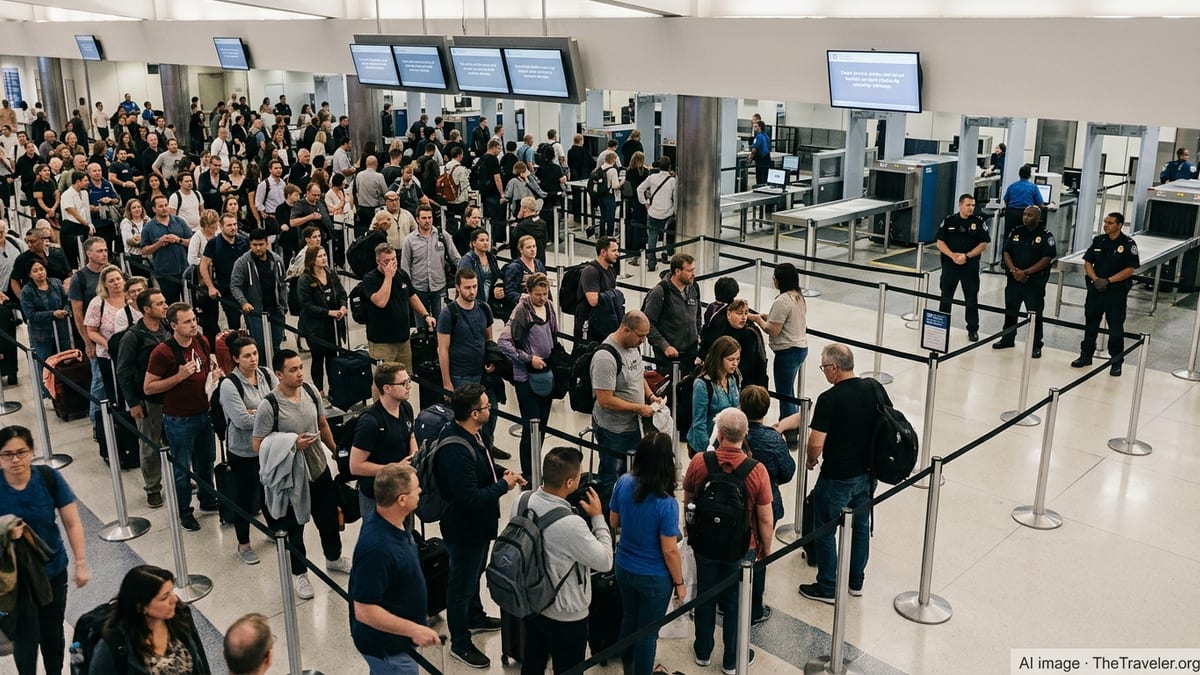
Emergency action to restart paychecks for Transportation Security Administration officers is beginning to ease the worst airport bottlenecks, yet travelers are being warned that lengthy delays and an unusual security presence by Immigration and Customs Enforcement agents could remain fixtures at U.S. airports for days or even weeks.
Get the latest news straight to your inbox!
Shutdown Relief Brings Pay, But Not Instant Normalcy
The partial shutdown of the Department of Homeland Security, now well into its second month, pushed thousands of TSA officers to work without pay and led to a wave of sick calls and resignations. Publicly available information shows that more than 500 officers have left the agency during the latest funding lapse, eroding staffing just as spring travel picks up.
Reports indicate that an emergency directive from the White House, signed on March 27, ordered TSA personnel to be paid despite the lapse in regular DHS funding. According to published coverage, many officers began receiving back pay at the start of the week, easing some of the immediate financial strain that contributed to staffing shortages.
Airports in major hubs, including Atlanta, Houston and New York, had recorded some of the longest security lines in the agency’s history, with average waits spiking to several hours at the height of the disruption. While early data and media accounts suggest those lines have shortened since pay resumed, airlines and airport operators continue to advise passengers to arrive significantly earlier than usual.
Industry analysts note that the operational damage from weeks of attrition cannot be reversed overnight. Training a new transportation security officer typically takes several months, meaning the loss of experienced screeners during the shutdown is likely to translate into lingering bottlenecks even as paychecks restart.
ICE Agents Fill Gaps As Security Footprint Shifts
In response to the escalating delays, the administration approved an unusual move: deploying Immigration and Customs Enforcement officers to help at passenger checkpoints. According to multiple news reports, ICE personnel have been dispatched to busy airports across the country to perform ancillary security duties and back up strained TSA teams.
Published coverage describes ICE agents assisting with tasks away from the screening belts, such as managing queues and handling identification checks under TSA supervision. The move is framed by the administration as a temporary measure to keep airports functioning during the shutdown, but it has also raised questions about the long-term blending of immigration enforcement and aviation security.
Comments from senior homeland security officials in recent days, reported by national outlets, indicate that ICE agents may not leave airports immediately even as TSA officers begin to receive pay again. Decision makers are described as monitoring passenger volumes and wait-time data before drawing down the additional personnel, suggesting that the expanded footprint could persist through the busy spring and early summer travel periods.
Advocacy groups and some members of Congress have expressed concern about what they characterize as mission creep, warning that the continued presence of immigration officers inside domestic passenger terminals could blur lines between transport security and immigration enforcement in ways that unsettle travelers.
Improved TSA Pay Structure Meets Political Turbulence
The current crisis is unfolding against a broader, years-long effort to improve TSA compensation. Official agency documents and prior budget statements show that, beginning in mid-2023, Congress and the administration funded a plan to align TSA’s pay bands more closely with the General Schedule system used for most federal employees, addressing a historic wage gap that left many screeners earning up to 30 percent less than counterparts elsewhere in government.
In its first year, that pay reform was credited in federal workforce reports with reducing attrition and helping TSA recruit and retain staff, particularly at high-cost airports that had struggled with turnover. According to those accounts, attrition rates among transportation security officers fell notably between 2022 and 2024 as the new structure took hold.
The current DHS shutdown, however, has exposed the fragility of those gains. Even with higher base pay and a clearer career ladder, many officers lack substantial savings, and weeks without paychecks quickly translated into financial hardship. Union statements and local news interviews with officers describe missed rent payments, mounting credit card debt and second jobs taken just to cover basic expenses.
Budget analysts note that while the underlying pay scales remain improved, repeated shutdowns risk undermining morale and driving experienced officers away, especially if they come to see TSA positions as chronically vulnerable to political standoffs in Washington.
Travelers Face a Patchwork of Conditions Nationwide
Conditions at U.S. airports now vary widely. Recent reporting suggests that some medium-sized facilities, particularly those with less intense peak traffic, are seeing near-normal screening times after pay resumed. In contrast, major hubs that were already under strain continue to post elevated waits during morning and evening rush periods.
Airport authorities are issuing rolling advisories through airlines, social media and terminal signage, urging passengers to arrive at least three hours early for domestic flights in heavily affected cities and even earlier for international departures. Travelers are being reminded that long waits can extend beyond formal security lanes into check-in halls and pre-screening areas where food, seating and restrooms may be limited.
Operational experts point out that airlines will also need time to rebalance staffing and flight schedules that were disrupted by days of missed connections and delayed departures. Some carriers have trimmed frequencies on select routes or shifted departure times to off-peak hours in an attempt to avoid the worst congestion at checkpoints.
Travel planners advise that, for the near term, passengers should build in extra time and flexibility, monitor airline communications closely and expect uneven experiences from one airport to another. Even as visible lines shrink, backlogs in baggage handling and secondary screening can still ripple through daily operations.
Longer-Term Questions About Airport Security Strategy
Beyond the immediate scramble to stabilize operations, the episode is prompting wider debate about how the United States funds and structures aviation security. Policy analysts argue that relying on short-term emergency orders to pay critical front-line personnel underscores vulnerabilities in the current budgeting approach for DHS.
Some workforce advocates are pressing Congress to create more durable protections for transportation security pay, suggesting mechanisms that would insulate basic compensation from routine funding disputes. Others are calling for a reassessment of staffing models to reduce the need for last-minute deployments of personnel from agencies such as ICE.
There is also renewed scrutiny of passenger experience and airport design. With reports indicating that average nationwide wait times climbed to record levels at the height of the shutdown, airport planners are revisiting whether terminals have sufficient queuing space, restroom access and clear communication for prolonged surges at checkpoints.
For now, the combination of restored TSA pay and supplemental ICE support is slowly pulling the system back from its most acute stress. Yet the persistence of delays and the unresolved status of DHS funding signal that travel disruptions and security debates are likely to remain a central feature of the U.S. aviation landscape well into the coming months.