

More news on this day
Coordinated airport and airline strikes across Europe are causing severe disruption at the height of the Easter travel period, with more than 90,000 passengers stranded and widespread cancellations at key hubs in Germany, Italy and Spain.
Get the latest news straight to your inbox!
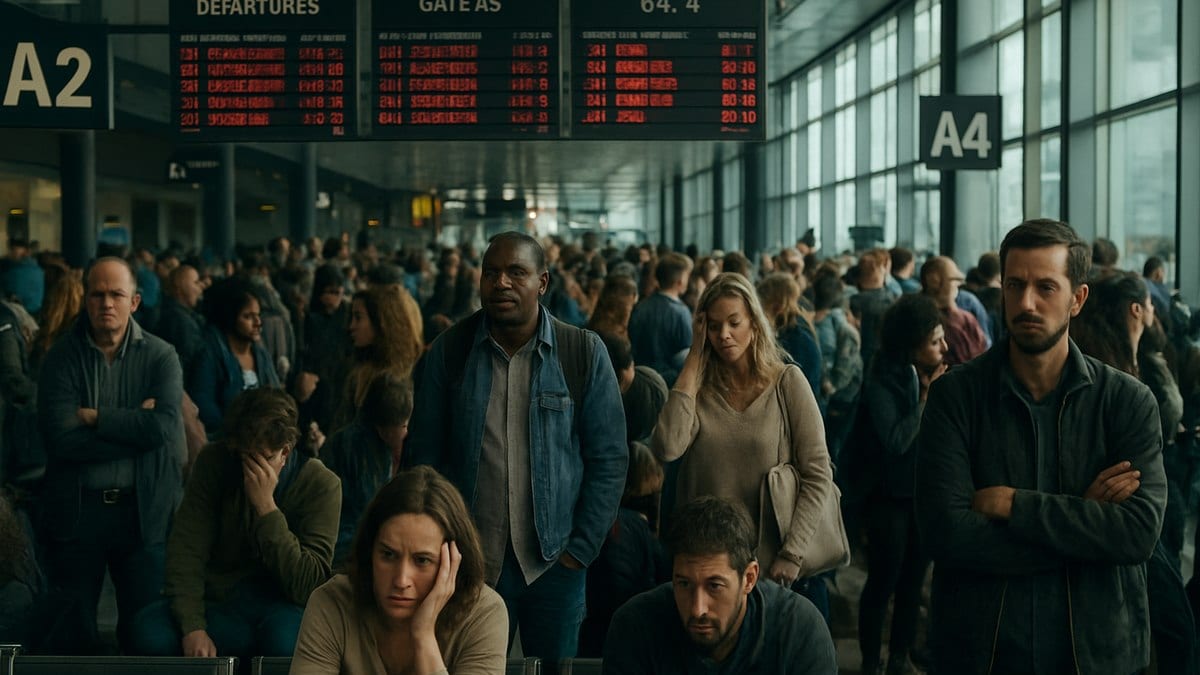
Germany’s Lufthansa Walkout Hits Easter Return Rush
In Germany, a one day cabin crew strike at Lufthansa has become the focal point of the turmoil. Publicly available information indicates that industrial action on Friday, 10 April 2026, led to the cancellation of around 500 departures and disrupted travel plans for roughly 90,000 passengers across the airline’s network. Frankfurt and Munich, two of Europe’s busiest transfer hubs, reported particularly heavy disruption as aircraft remained grounded and departure boards filled with cancellations.
The strike, called amid an ongoing pay and scheduling dispute, coincided with the peak return phase of the Easter holidays, intensifying the impact. Reports indicate that Lufthansa prioritized long haul and essential connections where possible, leaving many short haul and intra European leisure routes most affected. Families returning from school breaks and city trip travellers were among those facing unexpected overnight stays or lengthy rebooking queues at airports.
The stoppage also added to a broader pattern of unrest at the German carrier. Coverage of recent labour tensions at Lufthansa highlights multiple rounds of strikes already this year, including earlier actions by pilots that forced significant schedule cuts in February and March. The latest cabin crew walkout has raised concerns among passengers and industry observers that further disruption could follow if negotiations do not progress.
German airport operators and passenger groups have warned that repeated strike days at major hubs ripple far beyond national borders. When large numbers of flights are cancelled in Frankfurt and Munich, knock on effects quickly spread across European feeder routes, leaving travellers in other countries stranded even if their local airport is not directly affected by industrial action.
Italy and Spain Add Pressure With Coordinated Airport Actions
Labor unrest is not limited to Germany. In Italy, air traffic control staff staged a strike on 10 April, with the national air navigation service provider announcing a four hour stoppage in the early afternoon. Published coverage describes long queues, rolling delays and pockets of stranded passengers at airports such as Rome Fiumicino as airlines adjusted schedules and rerouted traffic.
The Italian action came on top of a series of walkouts and work to rule campaigns in Spain, where unions representing ground handling and airport services have been engaged in a dispute over staffing levels, pay and working conditions. Recent reports from Spanish holiday destinations describe thousands of unclaimed suitcases, reduced baggage handling capacity and a high volume of delayed departures, particularly at popular leisure gateways serving the Balearic and Canary Islands.
Together, these actions have tightened the squeeze on European air travel during one of the busiest leisure periods of the year. Flight tracking snapshots from early April show days with more than a thousand delays and hundreds of cancellations across the continent, a portion of which is directly linked to strikes. Travellers booked on multi leg itineraries that touch Germany, Italy or Spain have faced a greater risk of missed connections and overnight disruption.
Tourism bodies in southern Europe have expressed concern that recurring labour disputes in aviation could undermine confidence among visitors planning trips after several years of volatile conditions. While passenger numbers have broadly recovered since the pandemic, the combination of high demand and fragile staffing levels has left airport operations more vulnerable to even short strike actions.
Ripple Effects Across Europe’s Airline Network
Disruption linked to the latest airport and airline strikes has extended well beyond the countries where industrial action is taking place. Hub focused networks in Europe depend on tightly timed connections, and any concentrated wave of cancellations at a major airport can quickly cascade through the system. When a large share of Lufthansa’s schedule at Frankfurt or Munich is cancelled, feeder flights from neighbouring countries are often removed or heavily delayed, stranding passengers far from the original strike location.
Travel data compiled by regional media in recent days points to several thousand delayed flights and hundreds of outright cancellations across Europe since the start of April. While adverse weather and operational constraints have played a role, strike action at German, Italian and Spanish airports accounts for a significant share of the most severe disruptions. At midsize hubs and regional airports, airlines have been forced to reshuffle aircraft and crews at short notice to cover essential services, frequently at the expense of lower yielding leisure routes.
Passengers caught in the middle of these operational challenges have reported long waits at customer service desks, difficulty securing hotel rooms near airports and limited information on revised departure times. Publicly available guidance from consumer groups stresses that, in many strike scenarios, travellers may be entitled to assistance such as meals and accommodation, and in some cases compensation, depending on the circumstances and the specific airline involved.
Industry analysts note that European aviation has seen a marked increase in strike activity over the past several years as unions seek to recoup wage losses and improve conditions after the pandemic downturn. Studies of previous multi country strike waves indicate that more than 100,000 flights can be cancelled in a single year of intense labour unrest, affecting millions of passengers and costing airlines and airports hundreds of millions of euros in direct and indirect expenses.
Why Easter and Spring Are So Vulnerable
The current wave of disruption highlights how vulnerable European travel remains during peak holiday periods. Easter and the surrounding spring weeks sit between winter business travel and the summer high season, but demand has been rising consistently as more families and short break travellers take advantage of school holidays and milder weather. Airlines and airports often run schedules close to capacity at this time, leaving limited slack to absorb large scale cancellations tied to industrial action.
Operational resilience is further tested by broader geopolitical and economic pressures. Airspace restrictions linked to conflicts in neighbouring regions have squeezed key corridors between Europe, the Middle East and Asia, forcing airlines to operate longer routes that require more aircraft time and fuel. At the same time, higher labour and operating costs have limited the ability of carriers to maintain spare crews and aircraft on standby, making it harder to recover quickly from a sudden wave of strike related cancellations.
For passengers, these overlapping factors mean that a strike announcement at one major airline or airport can swiftly translate into queues and cancellations far beyond the immediate area. Travellers connecting from regional cities through large hubs may be particularly exposed, as their initial legs are among the first to be cut when airlines trim schedules in response to labour action.
Travel organisations recommend that passengers transiting Europe in the coming days monitor airline apps and airport information boards closely, build additional time into connections where possible, and keep receipts for any extra expenses incurred as a result of disruption. With further negotiations between unions and employers still unresolved in several countries, published commentary suggests that the risk of renewed strike action later in the spring cannot be ruled out.