

More news on this day
Abu Dhabi is moving to upgrade Al Ain’s hospitality stock through a targeted hotel refurbishment drive, aligning the emirate’s inland “Garden City” with ambitious tourism growth targets and new regional accolades.
Get the latest news straight to your inbox!
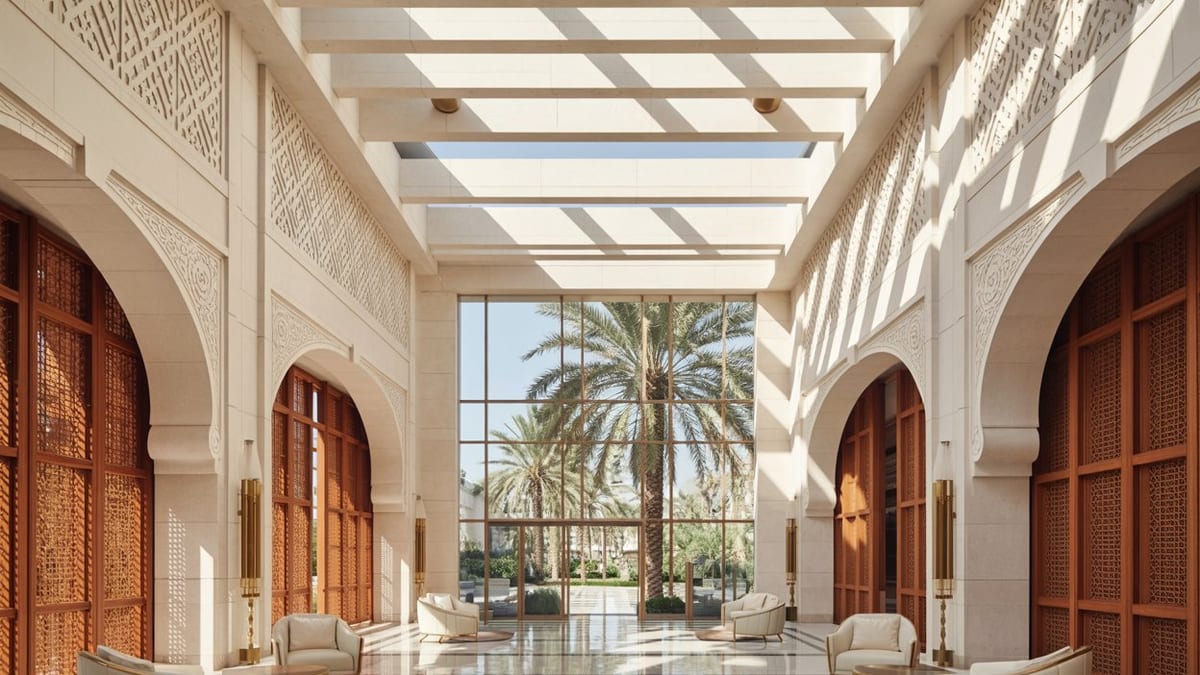
Image by International Hotels News, Hotel Industry & Hospitality News
Targeted upgrades for Al Ain’s hotel portfolio
Publicly available information indicates that Abu Dhabi authorities and key state-linked investors are sharpening their focus on Al Ain’s hotel infrastructure as part of wider tourism expansion plans. The refresh is intended to lift the overall quality of stays in the oasis city, long known for its palm groves, cool springs and lower-rise skyline compared with the capital on the coast.
Al Ain figures prominently in Abu Dhabi’s Tourism Strategy 2030, which seeks to attract tens of millions of visitors annually and substantially expand hotel capacity across the emirate. Policy documents and planning material describe hotels as a priority segment in Al Ain, with expectations that increased visitation will require a more diverse mix of upgraded, midscale and upscale rooms distributed across the city’s heritage, desert and mountain enclaves.
Recent corporate disclosures also show specific properties in Al Ain entering refurbishment cycles. An integrated annual report from a major Abu Dhabi investment group notes that additional features are being added at the Radisson Hotel Al Ain, with guestroom renovations prepared and a completion target set for the end of 2025, signaling a concrete pipeline of works in the city rather than only high-level intentions.
Industry observers view these moves as part of a broader repositioning of existing properties rather than a purely new-build strategy. The refurbishment focus allows asset owners to respond more quickly to changing visitor expectations, from interior design and technology to wellness facilities and family-oriented amenities, while preserving the city’s established urban fabric.
Tourism milestones raise the stakes for the ‘Garden City’
Al Ain’s hotel upgrade wave is unfolding as the city gains fresh prominence on the regional tourism calendar. GCC and Arab tourism bodies have selected the Al Ain region for major honorary titles in the middle of the decade, including recognition as the Gulf Capital of Tourism for 2025 and designation as the Arab Capital of Tourism for 2026, according to official announcements and regional media coverage.
These titles are expected to draw additional intra-Gulf and international attention to the city just as authorities seek to showcase its UNESCO-listed oases, mountain landscapes and cultural institutions. Reports indicate that the awards come with commitments to host year-long programs of events and experiences, creating time-bound pressure to ensure the city’s hospitality stock can handle increased demand at a higher standard.
The tourism push sits within longer-term urban frameworks such as Plan Al Ain 2030, which has for years forecast higher visitation and a stronger service-sector role for the city. Planning documentation highlights hotels as a growth area linked to heritage tourism, eco-tourism and leisure, particularly around established assets like Al Ain Oasis and Jebel Hafeet as well as newer mixed-use districts.
Against this backdrop, the refurbishment scheme is being positioned as both an economic and reputational investment. Enhanced hotel offerings are expected to influence visitor length of stay, average daily rates and broader perceptions of Al Ain as a destination capable of hosting regional conferences, cultural festivals and sports events without compromising its quieter, garden-like character.
Investors align with Abu Dhabi’s wider hospitality cycle
The Al Ain refurbishment drive is closely connected to a wider hotel renewal and expansion cycle underway across Abu Dhabi. Large real estate and hospitality investors have announced multi-billion-dirham upgrade programs that primarily target flagship coastal and island properties in the capital, but also signal a system-wide elevation of standards that extends to inland assets.
Corporate press material from leading Abu Dhabi developers describes a pipeline of renovations, rebrandings and repositionings across existing hotels, with an emphasis on luxury and upper-upscale products. While many of these projects are located on Abu Dhabi Island, Saadiyat and Yas, analysts note that rising expectations generated by such upgrades tend to ripple across the emirate’s secondary markets, including Al Ain.
In parallel, Abu Dhabi’s Tourism Strategy 2030 sets clear targets for increasing the total number of hotel rooms and boosting tourism’s contribution to GDP. Public statements from the Department of Culture and Tourism in recent years have outlined plans to expand room inventory from the mid-thirty-thousand range to more than fifty thousand by the end of the decade, supported by new infrastructure and destination marketing.
Within this context, Al Ain’s refurbishment-focused approach gives it a defined niche. The Garden City is being encouraged to lean into its strengths in nature, culture and wellness rather than emulate the high-rise waterfront resorts of the capital, positioning renovated hotels as gateways to palm-shaded oases, desert retreats and mountain adventures.
Heritage, sustainability and the guest experience
Reports on current and proposed projects in the Al Ain region indicate a strong emphasis on integrating hospitality upgrades with the city’s heritage and landscape. One prominent example is a planned partnership between Al Ain municipal authorities and private developer Eagle Hills to bring new hospitality and leisure infrastructure into the historic Al Ain Oasis, framed as a model for sustainable, heritage-rooted tourism development.
Such initiatives aim to modernize visitor facilities without eroding the traditional urban fabric that sets Al Ain apart from more heavily urbanized Gulf cities. Design proposals and planning commentary highlight the careful placement of low-rise hotels, shaded walkways, and wellness offerings that sit within existing palm groves and water channels, rather than displacing them.
Hospitality analysts suggest that refurbishment programs in Al Ain are likely to prioritize energy-efficient systems, water-saving technologies and better integration with public spaces, in line with broader sustainability goals across the UAE. Updating older properties provides an opportunity to retrofit greener standards into the city’s tourism infrastructure while enhancing comfort levels and reducing operating costs.
For guests, the immediate impact of the refurbishment wave is expected to appear in refreshed rooms, improved food and beverage concepts and more curated experiences that link hotel stays to nearby cultural and natural sites. Publicly available information points to a growing focus on family-friendly facilities, wellness centers and activity desks that bundle excursions to oases, forts and hiking trails, reinforcing Al Ain’s positioning as a gentle, outdoors-oriented escape.
Al Ain’s emerging role in Abu Dhabi’s tourism map
Al Ain’s hotel refurbishment scheme arrives at a moment when Abu Dhabi is seeking to diversify visitor flows beyond its coastal core. Strategy documents and media coverage repeatedly frame the emirate as a multi-node destination, with the capital city, its islands and the inland oasis of Al Ain each offering distinct propositions.
In this emerging map, Al Ain is being cast as the cultural and ecological counterpoint to the capital’s beachfront resorts and entertainment districts. Refreshed hotels are expected to help translate that positioning into tangible itineraries, allowing tour operators and independent travelers to spend several nights in the city while exploring its museums, archaeological sites and nature reserves.
Travel trade commentary indicates that the upcoming tourism titles for 2025 and 2026 could serve as catalysts for repositioning Al Ain in international source markets where the city is still relatively unknown compared to Abu Dhabi and Dubai. Stronger, newly refurbished hotels will form a core part of that message, signaling that the Garden City can deliver quality stays alongside its already-recognized natural and cultural assets.
As refurbishment works proceed over the next two years, attention is likely to focus on how effectively new standards are embedded across both branded and independent properties, and how seamlessly these upgrades connect to transport, public realm and heritage investments. The outcome will help determine whether Al Ain can convert its new titles and infrastructure push into a lasting role on the Gulf tourism circuit.