

More news on this day
Abu Dhabi is rolling out a focused hotel refurbishment drive in Al Ain, positioning the emirate’s historic “Garden City” for a new phase of tourism growth built around upgraded stays and enhanced heritage experiences.
Get the latest news straight to your inbox!
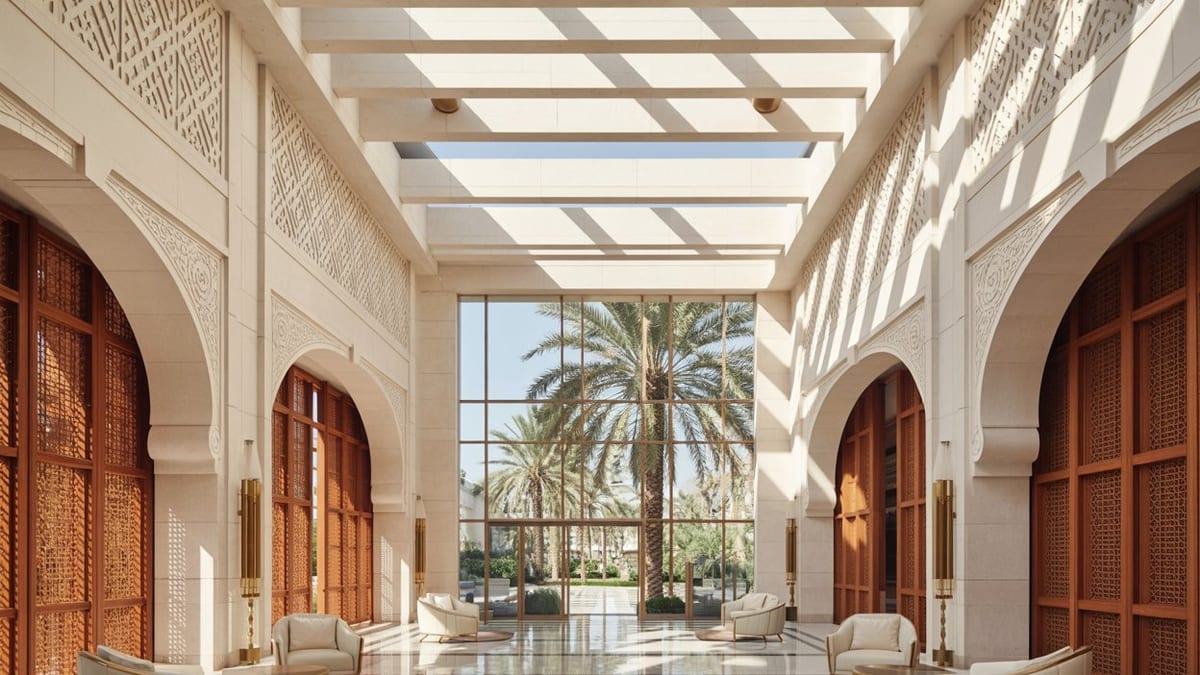
Image by Travel and Tour World – Tourism, Airline, Destination, MICE, Gobal Travel Market, Hotel news that you will find only over here.
A Strategic Push Behind Al Ain’s Hotel Overhaul
Publicly available information from Abu Dhabi’s tourism and real estate sectors indicates that the emirate is increasingly directing investment and attention toward Al Ain, long known for its oases, forts and cooler desert climate. The latest initiative centers on revitalizing existing hotel stock through refurbishment schemes that encourage owners to modernize facilities, improve sustainability credentials and better reflect the city’s cultural identity.
The move aligns with broader tourism ambitions for the Al Ain region, where recent data shows a strong rise in visitor numbers and hotel guests. Reports indicate that authorities are seeking to convert this momentum into longer stays and higher spending by elevating accommodation standards, particularly in older properties that occupy prominent sites but have lagged behind newer resorts in Abu Dhabi city and on Yas and Saadiyat islands.
Refurbishment incentives, streamlined approvals and coordinated destination marketing are emerging as core tools in this effort. Industry coverage suggests that Abu Dhabi’s tourism planners view hotel quality and consistency as critical to positioning Al Ain as a complementary stay to the capital, rather than a simple day-trip destination for residents and transit visitors.
The focus on upgrading existing assets, rather than building large numbers of new hotels, reflects a broader shift toward capital-efficient, sustainability-minded development in Gulf tourism hubs. By reworking interiors, amenities and landscaping, stakeholders are seeking to refresh Al Ain’s hospitality offer while preserving the low-rise, garden-oriented character that has defined the city for decades.
From Heritage Properties to Modern Resorts
Al Ain’s hotel landscape spans long-established city properties, resort-style complexes and apartment hotels serving business and family segments. Previous high-profile refurbishments of landmark hotels in the region have shown how sensitive upgrades can extend the life of heritage properties while aligning them with contemporary guest expectations for wellness, technology and dining.
The new refurbishment scheme builds on that precedent, encouraging owners to introduce modern room designs, energy-efficient systems and refreshed public areas that can compete with the emirate’s coastal resorts. Industry reports highlight growing interest in integrating local design cues, desert landscaping and oasis-inspired outdoor spaces, reinforcing Al Ain’s image as a green, walkable urban environment.
Several existing hotels in and around the city’s central districts and near key cultural attractions are viewed as early beneficiaries of the program. By renewing lobbies, pools, conference facilities and family areas, these properties are expected to capture a larger share of the rising traffic drawn by museums, historic forts and new entertainment offerings.
Beyond aesthetic upgrades, the refurbishment push is also prompting operators to reassess service concepts. There is a growing emphasis on spa facilities, family-friendly water features, and flexible dining that can cater to domestic weekend visitors from Abu Dhabi and Dubai as well as international guests arriving on multi-stop itineraries across the UAE.
Linking Hotels to Culture, Nature and Events
Al Ain’s hotel revitalization is tightly linked to the city’s cultural and natural assets, including its UNESCO-listed oases, archaeological sites and restored forts. Tourism planners are increasingly framing hotel refurbishment as part of a wider destination refresh that brings accommodation, attractions and event programming into closer alignment.
Recent promotional material and visitor data underline the growing draw of sites such as Al Ain Oasis, historic palaces and the city’s museums, which collectively tell the story of settlement, agriculture and state-building in the region. As these attractions invest in interpretation, public spaces and events, refurbished hotels are being positioned as comfortable bases from which visitors can explore the city’s heritage in more depth.
Nature-based experiences are also part of the equation. The “Garden City” brand, anchored in tree-lined streets and irrigated oases, is being reinforced through greener hotel landscaping and outdoor spaces designed for evening strolls and family gatherings. Upgraded properties are expected to complement nearby parks, zoos and desert viewpoints that appeal to residents and tourists alike.
Business and meetings travel remains another target. With Al Ain playing host to trade shows, academic gatherings and sporting events, revitalized hotels with modern conference facilities and reliable connectivity are seen as essential to attracting more midweek business and institutional bookings, which in turn can smooth seasonal and weekend-driven occupancy patterns.
Economic Impact and Market Positioning
The refurbishment drive is being framed as a catalyst for broader economic gains in Al Ain, supporting construction, interior design, landscaping and local supply chains. As hotels reinvest in rooms and amenities, nearby cafes, transport providers and excursion operators are expected to benefit from higher guest volumes and extended stays.
Sector analyses suggest that Al Ain’s hotel performance is improving from a relatively small base compared with Abu Dhabi city, leaving room for growth without the oversupply pressures seen in some regional markets. By targeting quality upgrades rather than rapid capacity expansion, the emirate aims to protect yields while enhancing guest satisfaction and online ratings.
Positioning Al Ain as a distinct, complementary destination within the wider Abu Dhabi tourism portfolio is central to this strategy. Refurbished hotels are marketed as part of multi-night itineraries that combine urban waterfronts and cultural districts in the capital with cooler, more laid-back stays in the interior city, particularly appealing during the shoulder seasons.
For international tour operators and online travel platforms, a visibly modernized hotel stock in Al Ain helps reduce perceived risk and opens the door to packaging the city alongside better-known Gulf destinations. Over time, this could shift Al Ain from a niche stopover to a recognized anchor in cultural and family tourism circuits.
Challenges and Next Steps for the Garden City
Despite the positive momentum, the refurbishment agenda faces several challenges. Older buildings may require deep structural work or phased renovations to avoid displacing existing guests and long-stay residents. Coordinating upgrades across multiple ownership structures, from private investors to semi-public entities, adds another layer of complexity.
There is also a need to balance modernization with authenticity. Analysts note that if refurbishments lean too heavily toward generic international styles, Al Ain risks losing the architectural cues and intimate scale that differentiate it from other Gulf cities. Design guidelines and review processes are therefore emerging as important tools in maintaining the Garden City’s character while elevating standards.
Workforce development is another focus area. As hotels introduce new concepts and technologies, including contactless services and advanced booking platforms, staff training will be essential to ensure that upgraded hardware is matched by consistently high service levels.
Looking ahead, observers expect Al Ain’s hotel refurbishment program to unfold in stages, with early showcase properties setting benchmarks for design, sustainability and guest experience. If successful, the initiative could entrench the city’s position as a green, heritage-rich counterpart to Abu Dhabi’s waterfront districts, offering travelers a renewed reason to stay longer and explore deeper.