

Alabama’s airports are often gateways to beach vacations on the Gulf Coast, college football weekends, and business trips tied to fast growing industries in Birmingham, Huntsville, Mobile, and Montgomery. Whether you are connecting through or starting and ending your journey in the state, understanding how the main airports work will save time, reduce stress, and help you make better decisions about routes, ground transportation, and services. This guide focuses on the main commercial airports across Alabama and explains what travelers can expect today, from airlines and destinations to parking, security, and accessibility.
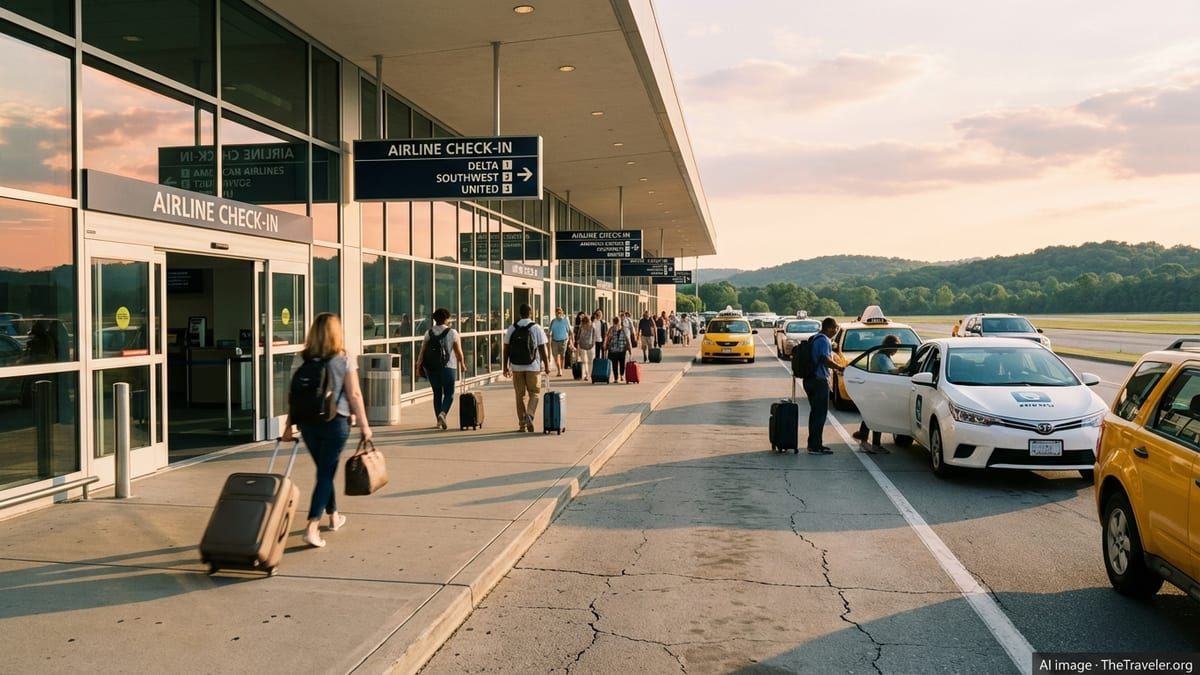
How Alabama’s Airport Network Is Organized
Alabama is served by a handful of primary commercial airports, led by Birmingham Shuttlesworth International Airport, Huntsville International Airport, Mobile’s airport system, and Montgomery Regional Airport. Together, they connect the state to major airline hubs such as Atlanta, Charlotte, Dallas Fort Worth, Houston, and several airports in the Northeast and Midwest. These hub connections make it possible to reach most domestic and many international destinations with a single connection, even though nonstop long haul international flights are limited.
Each airport serves a distinct travel market. Birmingham is typically the busiest and most versatile option for statewide and regional travel. Huntsville sees strong demand from technology, defense, and space related industries and has a growing mix of legacy and low cost carriers. Mobile’s airports serve both business travelers tied to shipbuilding and aviation as well as leisure travelers bound for the Gulf Coast. Montgomery’s regional airport is closely tied to government, military, and state capital traffic, with convenient links to Atlanta and other hubs.
For travelers, this means choosing an Alabama airport is often a tradeoff between proximity and flight options. A smaller regional airport may mean shorter security lines and easier parking, but Birmingham or Huntsville can sometimes offer more competitive fares, additional daily frequencies, or better weather diversion options. Checking fares and schedules across at least two Alabama airports within driving distance can sometimes uncover cheaper or more convenient itineraries.
Because schedules and airline strategies can shift, especially on secondary routes, it is wise to verify current flight options close to your booking date. Airlines regularly adjust capacity in response to demand, seasonal beach travel, and business activity, so routes into and out of Alabama can change quicker than at larger hub airports.
Birmingham Shuttlesworth International Airport: Alabama’s Primary Gateway
Birmingham Shuttlesworth International Airport, usually referred to by its code BHM, is the largest and busiest airport in Alabama by passenger volume. It operates a modern terminal with three concourses and provides nonstop flights to roughly twenty domestic destinations on major U.S. airlines including American, Delta, Southwest, and United. From Birmingham, travelers can connect through key hubs such as Atlanta, Charlotte, Dallas, Houston, Chicago, and Miami to reach most other cities with one stop.
The terminal is compact and relatively easy to navigate. Ticketing and check in are located on the upper level, while baggage claim sits on the lower level, alongside airport operations offices and airport police. Concessions are concentrated beyond security in the concourses, so it makes sense to complete check in and head through screening before looking for a full meal. Vending machines and ATMs are located throughout the building, but food and beverage options can vary by time of day, so late night travelers should not expect a full range of restaurants to be open.
Parking at Birmingham includes a multi level deck connected to the terminal and remote surface lots served by frequent shuttles. A rental car center sits on the ground floor of the parking deck, which keeps rental pick up and drop off relatively straightforward. For those meeting arriving passengers, there is a free cell phone waiting area with a digital flight display, allowing drivers to wait off the terminal curb until the traveler is ready for pickup. This arrangement helps keep congestion down at the arrivals level and is worth using during busy times.
Ground transportation to and from downtown Birmingham and nearby suburbs is available by taxi, app based ride services, hotel shuttles, and local transit. The Birmingham area transit provider operates an airport service that allows travelers to ride very affordably between the central station area and the terminal, which can be a budget friendly choice for solo travelers or those comfortable with bus style or on demand public transport. Because service models and schedules may evolve, always check the latest details shortly before your trip.
Huntsville International Airport: High Tech Hub in North Alabama
Huntsville International Airport, code HSV, serves the rapidly growing Huntsville and Decatur region in north Alabama. Despite its relatively modest size, it functions as one of the state’s premier travel hubs, with a strong mix of business and leisure traffic. HSV is located about ten miles southwest of downtown Huntsville and is known for being straightforward to navigate, with a terminal that integrates a hotel, parking garage, and a practical array of dining options.
Airlines serving Huntsville commonly include American, Delta, United, and Breeze Airways, along with several cargo operators that take advantage of Huntsville’s intermodal port and foreign trade zone status. Nonstop destinations focus on key hubs and popular leisure markets, such as Atlanta, Charlotte, Dallas Fort Worth, Houston, Denver, Chicago, Washington, New York area airports, Florida cities, and select seasonal routes. The presence of a growing low cost carrier footprint has helped diversify options for price sensitive travelers, particularly to leisure markets like Florida and Las Vegas.
Inside the terminal, travelers will find around a dozen gates with amenities such as restaurants, shops, comfortable seating, and displays reflecting Huntsville’s deep ties to aerospace and space exploration. An on site Four Points by Sheraton hotel, built directly above the ticketing area, offers a convenient base for early morning departures, late night arrivals, or short business trips where staying near the airport makes sense. A parking garage connects directly to the terminal, which keeps walking distances short even in bad weather.
Huntsville International is also notable for its role in cargo logistics and as a designated re entry site for a commercial spaceplane. For regular travelers, this translates primarily into robust infrastructure and long runways that can accommodate larger aircraft. While fares from Huntsville have historically been among the highest in the United States, increased competition and targeted incentive agreements have sought to broaden route options and temper pricing. Checking Huntsville against Birmingham and Nashville can sometimes reveal significant differences in cost, especially for international or complex itineraries.
Mobile and the Gulf Coast: Balancing Business and Beach Travel
On Alabama’s Gulf Coast, Mobile plays a dual role as a center for maritime and aviation industries and a gateway for leisure travel to beaches in Alabama and the Florida Panhandle. Mobile’s commercial air service has been in transition, with activity historically concentrated at Mobile Regional Airport and newer development focused on a downtown adjacent facility designed to bring travelers closer to the city center and cruise terminal. As of early 2026, Mobile’s air service landscape continues to evolve as facilities and airline strategies adjust.
For travelers, the key point is that Mobile’s airport options can impact drive times significantly. Mobile Regional Airport is situated west of downtown, requiring a longer drive from the central business district and the cruise port. The newer airport setup closer to downtown shortens that ground travel time but may currently offer a more limited set of flights while service ramps up. Before booking, it is essential to check which Mobile area airport your airline uses, confirm the airport code, and ensure ground transportation is aligned with the correct facility.
Routes from the Mobile area typically center on major hubs like Atlanta, Charlotte, and Dallas Fort Worth, along with select leisure destinations. These connections are popular with both business travelers linked to shipyards, aerospace manufacturing, and energy industries, and with visitors arriving for cruises or beach vacations. Car rental facilities, taxis, and app based ride options are the primary ground transportation choices. At peak cruise times and during summer, vehicle demand can surge, so advance reservations are strongly advised.
Beach focused travelers often compare flying into Mobile with nearby airports in Pensacola, Florida, or Gulfport Biloxi in Mississippi. Airport choice can affect not only airfare but also rental car availability and driving time to specific beach communities such as Gulf Shores or Orange Beach. Travelers who are flexible on arrival airport may find better prices or schedules by looking across the broader Gulf Coast region and then selecting the combination of airport and drive that best fits their plans.
Montgomery Regional and Other Smaller Alabama Airports
Montgomery Regional Airport, serving the state capital and surrounding region, offers a smaller scale alternative to Birmingham or Atlanta. The airport primarily connects travelers to large hub airports such as Atlanta and Charlotte, usually through major U.S. carriers or their regional affiliates. For government travelers, military personnel, and visitors to nearby universities and historical sites, having a local airport with straightforward access can be more important than an expansive list of nonstop destinations.
The passenger experience at Montgomery tends to be calm and relatively low stress. Security lines are often shorter than at large hub airports, terminal walking distances are modest, and parking is located close to the building. This can make Montgomery an appealing choice for families, older travelers, or anyone who prefers a quieter airport and is willing to connect through a hub rather than drive longer distances to Birmingham.
Elsewhere in the state, several smaller airports provide scheduled or seasonal service depending on airline strategy. Some of these facilities may have limited daily flights or may be supported by regional or low cost carriers serving specific routes, sometimes to Florida beach markets or major hubs. The volume and reliability of these flights can be more sensitive to seasonality and airline network changes, so travelers should be prepared for schedule adjustments or limited rebooking options if disruptions occur.
When evaluating a smaller Alabama airport, weigh door to door travel time, likelihood of delays or cancellations, and the cost and time of any backup options. In some cases, a longer initial drive to a larger airport with more daily departures can reduce the risk of extended delays if something goes wrong with your original flight.
Practical Tips for Flying In and Out of Alabama
Travelers using Alabama airports benefit from many of the same general strategies that apply nationwide, but there are a few regional nuances. During peak college football weekends, spring break, and summer beach season, demand spikes for flights into and out of Birmingham, Huntsville, and the Gulf Coast. Booking early and being flexible with departure times can help secure better fares and more favorable connections. Morning flights often experience fewer delays, especially when weather develops over the southeastern United States later in the day.
Because Alabama’s major airports connect through large hubs located elsewhere, weather in Atlanta, Charlotte, Dallas Fort Worth, or Houston can have outsized impacts on Alabama flight reliability. When possible, consider itineraries that provide longer connection times through a single hub rather than very tight connections, especially in winter storm season or during the worst of summer thunderstorms. Travelers connecting to last flights of the day should build in a buffer to avoid misconnecting and being stranded overnight.
Parking and rental car strategies also matter. At Birmingham and Huntsville, connected parking decks simplify the process but can fill during peak periods. Remote lots often offer lower daily rates but require extra time for shuttle transfers. In Mobile and Montgomery, on airport surface lots are convenient and typically less crowded, but during events or holidays they may approach capacity. Booking car rentals well ahead of high demand periods is particularly important in coastal markets and near major universities.
Arriving early remains good practice, but the ideal lead time depends on airport size and time of day. For larger airports like Birmingham or busy morning banks in Huntsville, ninety minutes to two hours before departure is prudent, especially if you need to check bags. At smaller fields such as Montgomery, well prepared travelers with mobile boarding passes and only carry on luggage can sometimes arrive closer to departure, yet it is still wise to allow extra time in case of traffic, security surges, or staffing issues.
Accessibility, Amenities, and Traveling With Families
Alabama’s major airports have invested in accessibility and traveler comfort in different ways, but there are some consistent features. Modernized terminals like those in Birmingham and Huntsville are built with elevators, ramps, accessible restrooms, and jet bridges designed to support passengers with reduced mobility. Airline staff can arrange wheelchair assistance from check in through boarding, but requesting this service in advance during booking or online check in helps airports plan staffing and minimize wait times.
Families traveling with children will generally find dedicated family restrooms and, at some airports, nursing rooms or quiet spaces to care for infants. Seating near gates is typically open plan, and some terminals include small play areas or interactive displays. In Huntsville, exhibits related to aviation and space exploration can help keep children engaged while waiting to board. Parents should still bring their own entertainment for longer waits, especially in smaller airports where concessions and amenities are more limited.
Food and beverage offerings vary widely by airport and time of day. Birmingham and Huntsville offer a reasonable mix of national chains and local or regional concepts, while Mobile and Montgomery may have fewer options, particularly during off peak hours. Travelers with dietary restrictions may want to eat before arriving at the airport or pack suitable snacks, especially for early morning or late night departures when restaurants might be closed.
Wi Fi is generally available and complimentary at larger Alabama airports, with charging stations or power outlets scattered around gate areas. However, outlet availability can be inconsistent in older parts of terminals or at smaller airports, so carrying a compact power strip or external battery can be helpful. Lounge access is limited compared with large hubs, though some travelers may access airline clubs when flights are operated by major carriers and partner lounges exist in nearby hub airports rather than in Alabama itself.
The Takeaway
Alabama’s airports may not be massive global hubs, but they provide a practical and increasingly refined network for both business and leisure travel across the state. Birmingham Shuttlesworth International remains the primary gateway with the broadest mix of routes and carriers, Huntsville International has emerged as a high tech hub with a growing blend of legacy and low cost airlines, and Mobile and Montgomery round out coverage for the Gulf Coast and state capital regions. Smaller regional airports offer added convenience in specific markets, particularly where driving distances to larger cities are significant.
For travelers, the most effective strategies focus on comparing airports within reasonable driving distance, understanding how hub connections shape reliability, and planning ahead for peak demand periods tied to tourism and college sports. Attentive planning around parking, rental cars, and accessibility needs can turn what might be a stressful transit day into a smoother, more predictable experience. With realistic expectations about amenities and a willingness to build in time buffers for weather and connections, flying in and out of Alabama can be efficient and relatively low hassle, leaving you free to focus on the purpose of your trip rather than the logistics of getting there.
FAQ
Q1. Which Alabama airport is best for most travelers?
Birmingham Shuttlesworth International Airport is generally the most versatile, with the largest selection of nonstop routes, multiple major airlines, and frequent connections through major hubs.
Q2. Is Huntsville International Airport a good alternative to Birmingham?
Yes. Huntsville offers strong connectivity for north Alabama, especially for business and technology travelers, and often provides convenient service to major hubs and some leisure destinations.
Q3. What is the best airport for reaching Alabama’s Gulf Coast beaches?
Mobile’s airports are the closest in state options, but many travelers also compare fares and drive times to nearby Gulf Coast airports in Florida and Mississippi before choosing.
Q4. How early should I arrive at Alabama airports before my flight?
Plan to arrive about ninety minutes to two hours early at Birmingham or Huntsville, and at least an hour early at smaller airports, adjusting for peak travel times or checked bags.
Q5. Are there public transportation options from Birmingham’s airport to downtown?
Yes. In addition to taxis and app based rides, a local transit provider operates an airport service between a central station area and the terminal at very low cost.
Q6. Do Alabama airports offer good food and shopping?
Birmingham and Huntsville provide the widest choices, including national chains and some regional outlets, while Mobile and Montgomery have more limited options, especially late at night.
Q7. Are Alabama airports easy to navigate for first time visitors?
Generally yes. Terminals are compact compared with large hubs, signage is straightforward, and walking distances from check in to gates are usually short.
Q8. What should I know about rental cars at Alabama airports?
Rental counters and cars are usually on site and close to terminals, but availability can tighten during holidays, beach season, and major events, so advance reservations are recommended.
Q9. Are Alabama airports accessible for travelers with reduced mobility?
Major airports such as Birmingham and Huntsville are designed with accessibility in mind, including elevators, ramps, and wheelchair assistance that can be arranged through airlines.
Q10. Do Alabama airports have nonstop international flights?
Facilities like Birmingham have customs capabilities, but scheduled nonstop long haul international passenger flights are limited, so most international journeys involve a connection through a larger hub.