

More news on this day
Alabama is heading into the peak of spring break season under heightened wildfire risk, with warm, dry and occasionally gusty conditions prompting fire weather alerts and renewed attention to outdoor safety across the state.
Get the latest news straight to your inbox!
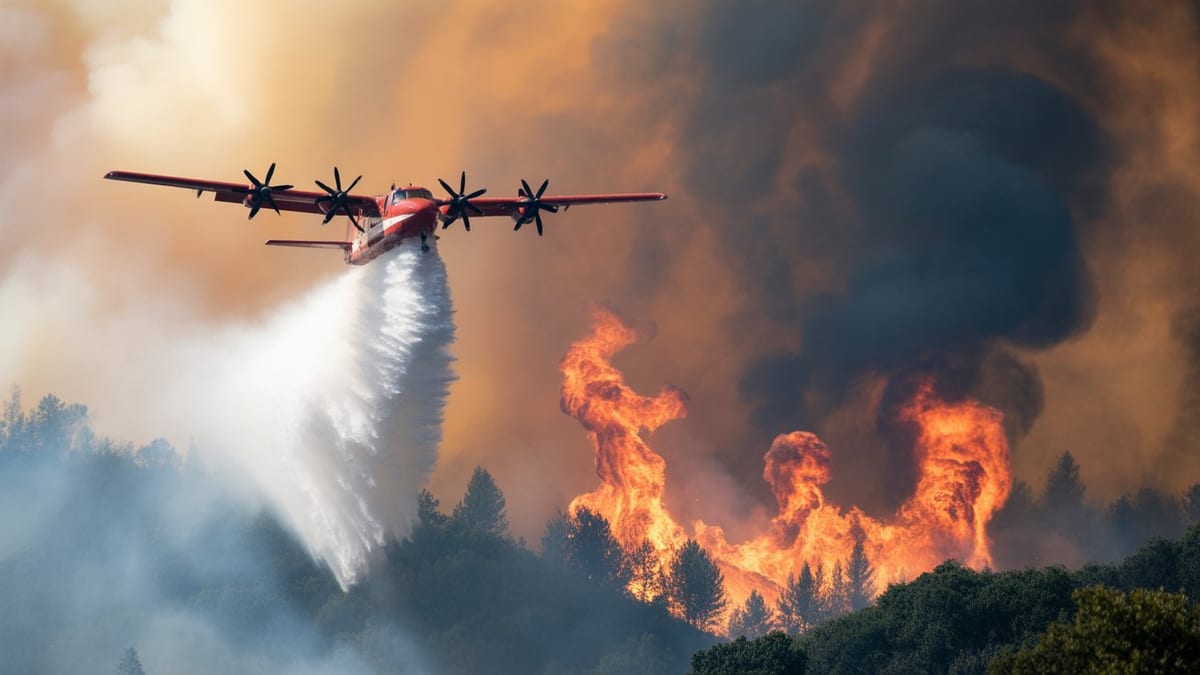
Image by Global Travel Alerts, Advisories, International Travel Alerts
High Fire Weather Alerts Align With Peak Travel Weekend
Weather outlooks for the last weekend of March indicate a combination of above average temperatures, low humidity and periods of stronger winds over parts of Alabama, a pattern that typically increases the chance that any spark could grow into a fast moving wildfire. Recent National Weather Service fire weather discussions for the Southeast highlight these ingredients across portions of the region, including Alabama, as a concern for late week and weekend conditions.
Fire management planning documents for the state describe how this type of pattern can push fire danger into the moderate to high category, especially when it follows several days of limited rainfall. Alabama’s drought planning guidance also notes that elevated fire risk may develop before formal drought emergencies are declared, particularly when vegetation has begun to dry after early spring warmth.
Wildfire statistics compiled for Alabama counties show that fire activity fluctuates year to year but often spikes during periods when warm, dry air arrives ahead of stronger storm systems. Hazard mitigation planning materials for coastal and central Alabama counties point to late winter and early spring as a recurring window for grass and woods fires, even when overall drought intensity is only moderate.
The timing of this latest high risk period coincides with one of the busiest domestic travel stretches of the season, as families, college students and road trippers head toward Gulf Coast beaches, state parks and lake destinations across Alabama and neighboring states.
What Elevated Wildfire Risk Means for Travelers
For most visitors, heightened wildfire risk does not automatically translate into canceled trips, but it can change what is possible once travelers arrive. Outdoor burning restrictions can be tightened quickly when fire danger climbs, limiting campfires, bonfires and debris burning in both rural and suburban areas. Public information from the Alabama Forestry Commission and local emergency managers explains that Fire Alerts and related advisories are used to restrict open burning when wildfire potential becomes significant.
In recent years, Alabama planning documents show that county level burn restrictions have occasionally been issued or expanded with only short notice, particularly when strong winds or very low humidity are in the forecast. Travelers planning cabin stays, camping weekends or rental properties with outdoor fire pits should be prepared for the possibility that those amenities may be temporarily off limits.
Roadside conditions can also shift if wildfires develop near major routes. Past incident summaries for Alabama and neighboring states describe episodes where smoke from grass and woods fires reduced visibility along highways and secondary roads for several hours, sometimes prompting lane closures or detours. While no specific closures are guaranteed this weekend, transportation planners routinely caution that drivers in high fire danger regions need to watch for smoke advisories and changing traffic patterns.
Air quality may become a secondary concern if multiple fires burn at once, especially for travelers with respiratory sensitivities. State hazard plans and past wildfire seasons in the broader Southeast show that even relatively small fires can create localized smoke plumes that affect campgrounds, lakeside neighborhoods and low lying valleys during calmer overnight and morning periods.
Impact on Beaches, Parks and Outdoor Recreation
Alabama’s Gulf Coast and inland lakes remain a major draw for spring break travelers, and current fire weather concerns are not expected to close beaches or shut down most lodging. However, both coastal and inland recreation areas are more likely to adjust how and where visitors can use fire. Publicly available park and forest guidance for the region notes that during periods of elevated wildfire risk, rangers can limit campfires to designated rings, restrict charcoal or wood fires entirely, or encourage the use of gas stoves only.
In wooded areas and wildlife management regions, trail conditions may change if firefighting crews need access or if smoke affects visibility. County level hazard mitigation plans for south Alabama emphasize that prescribed burns are common during late winter and early spring to reduce future wildfire fuel, and these activities can sometimes overlap with drier patterns and higher natural fire danger. Visitors may encounter temporary trail or area closures tied either to prescribed burns or to suppression of wildfires that escape containment.
For beach destinations, the main changes spring breakers might notice involve any local rules on fire pits, fireworks and open flames near dunes and vegetation. Coastal county emergency documents point out that dune ecosystems and adjacent pine forests can be vulnerable when dry and windy conditions develop, increasing the urgency of keeping sparks away from grasses and brush even in otherwise resort focused areas.
Outdoor event organizers, from small festivals to sporting tournaments, are also watching conditions. While most events proceed as scheduled during high fire danger episodes, plans for fireworks, outdoor grilling areas and parking on grassy fields may be revised if weather patterns remain warm, dry and breezy through the weekend.
How to Adjust Spring Break Plans Safely
Travel experts and public safety guidance suggest that the most effective response for spring break travelers is not to cancel Alabama trips outright but to stay flexible and informed. State level drought and fire management documents advise residents and visitors alike to check the latest fire danger ratings and any county Fire Alerts before lighting outdoor fires, including campfires and backyard style recreational flames at rental properties.
Those driving long distances through Alabama toward Florida or the Gulf Coast can reduce wildfire risk by avoiding any roadside burning, ensuring trailer chains do not drag and spark, and properly extinguishing cigarettes in vehicles rather than discarding them outside. National fire prevention campaigns repeatedly note that many roadside wildfires in the Southeast begin from such small ignition sources during dry, breezy periods.
Campers and hikers are encouraged to have a backup plan for cooking and evening activities if campfires are limited or prohibited over the weekend. Portable gas stoves, battery powered lanterns and indoor or screened porches can help preserve the spring break experience without adding to fire risk. Rental hosts and campground operators often provide updated rules at check in, and travelers can benefit from reviewing those materials closely this week.
For families with children, discussing fire safety in advance can make beach bonfires or cabin stays smoother if conditions improve later in the trip. Simple steps such as keeping children away from grills, respecting posted restrictions and staying on marked trails in forested areas can help ensure that higher wildfire danger remains a background concern rather than a direct disruption.
Watching the Forecast as Storm Systems Approach
The broader weather pattern across the central and eastern United States this month has produced both severe storms and dry, warm spells, and outlooks for the coming days suggest that additional storm systems could pass near or through Alabama after the upcoming weekend. National storm and climate summaries for March describe a sequence of powerful low pressure systems generating blizzards in the Midwest and severe weather outbreaks across portions of the Lower Mississippi Valley and Southeast.
In Alabama, that setup often means an initial period of gusty, dry weather ahead of a front, followed by showers and thunderstorms as the system arrives. Fire weather guidance for the state notes that wildfire risk can spike in the pre frontal environment and then ease if widespread rain falls, although lightning from early storms can occasionally start new fires where fuels are still dry.
For travelers, the practical takeaway is that conditions this spring break are likely to evolve day by day. A weekend that begins with high fire danger may end with travel delays from thunderstorms, or vice versa, depending on how fast each weather system moves. Keeping an eye on updated forecasts for both origin and destination, as well as any statewide fire danger statements, will be important for anyone driving, flying or camping in or through Alabama.
As spring break continues, Alabama remains open for business as a beach, lake and backroads destination, but the combination of elevated wildfire risk and an active storm track means visitors will benefit from a bit more preparation and flexibility than in a typical year.