

More news on this day
An Alaska Airlines flight from Portland to Anchorage diverted after a passenger allegedly assaulted his seatmate in midair, leading to the man’s arrest on federal felony charges of abusive sexual contact upon landing in Anchorage.
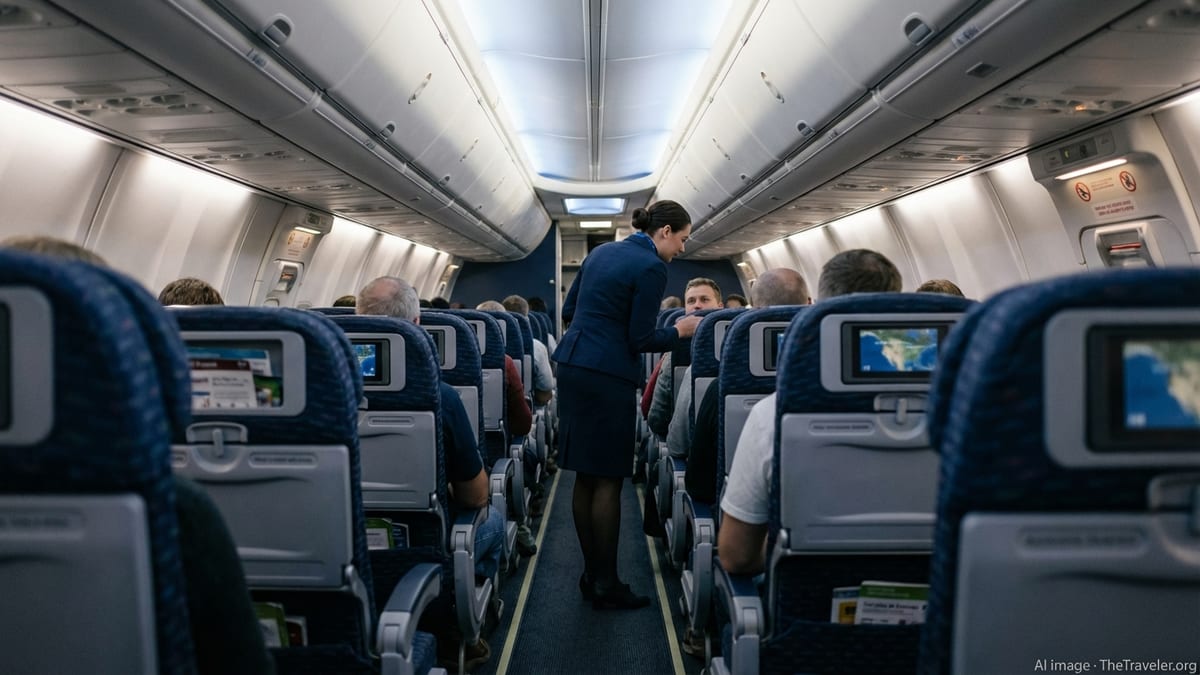
Late-Night Flight Diverted After Inflight Disturbance
Alaska Airlines Flight 733 departed Portland International Airport on the night of February 22 bound for Ted Stevens Anchorage International Airport with a full load of passengers and a routine three-hour trip ahead. According to a federal affidavit, the flight took a troubling turn when a male passenger seated at a window allegedly began harassing and then assaulting the woman seated next to him as the aircraft climbed to cruising altitude.
The allegations describe a pattern of escalating behavior rather than a single outburst. Investigators say the man initially made the woman uncomfortable by turning his body toward her and staring silently before the aircraft left the gate in Portland. Once airborne, he allegedly used the pretense of dropping an item on the floor to lean across her legs and encroach on her space, beginning a series of unwanted physical contacts that continued despite her efforts to push him away.
The Boeing 737 continued on toward Alaska as cabin crew and nearby passengers became aware of the situation. Crew members opted to separate the individuals and request law enforcement meet the aircraft on arrival, rather than diverting to an intermediate airport, a decision that aviation safety analysts say is common when the cabin is under control and the flight can continue safely.
Details of the Alleged Assault in the Cabin
According to the federal complaint, the victim told investigators she felt uneasy almost immediately after the man sat down beside her in the window section of the row. After takeoff, his actions allegedly intensified. The affidavit states that he spread his legs into her seating area, pressing against her body, and repeatedly touched her leg even after she physically brushed his hand away.
The man then allegedly placed his head on her shoulder. Believing at first that he might have fallen asleep, the woman tried to push him off. When he leaned in again, this time closer to her chest, she reacted by elbowing him away and directing him to use his tray table if he wanted to rest. The complaint asserts that he ignored those instructions and instead pressed his upper body against her, pinning her against the window and forcing his face into her chest.
Because of the man’s body weight and the confined space of the economy cabin, the woman reported that she could not reach the overhead call button. A passenger seated on the aisle is said to have noticed her distress and signaled a flight attendant. Cabin crew quickly moved the woman to another seat and monitored the man for the remainder of the flight, while the cockpit crew coordinated with authorities on the ground in Anchorage.
Arrest on Arrival and Federal Felony Charge
Law enforcement officers were waiting at the gate when Flight 733 arrived at Ted Stevens Anchorage International Airport in the early hours of February 23. The suspect, identified in charging documents as 44-year-old Timothy Hobson, was taken into custody and transported to the Anchorage Correctional Complex.
Prosecutors have charged Hobson with one count of abusive sexual contact, a federal felony that applies to non-consensual sexual contact aboard an aircraft registered in the United States. The affidavit notes that Hobson initially invoked his right to remain silent during formal questioning. As officers were leaving the holding area, however, they reported overhearing him remark that he had “definitely drank way too much,” according to the complaint.
Booking records show that a breath alcohol test administered after landing measured his breath alcohol content at 0.121, a level consistent with significant intoxication. He is being held pending further court proceedings in federal court in Alaska, where he faces the possibility of prison time and mandatory registration requirements if convicted.
Federal Jurisdiction and Airline Procedures
Because the alleged crime occurred onboard a US-registered commercial aircraft operating between US cities, the case falls under federal jurisdiction rather than state law. The Federal Bureau of Investigation typically leads such investigations, working alongside airport and local law enforcement, while the US Attorney’s Office decides on the specific charges.
Aviation security experts note that flight attendants are trained extensively to respond to disruptive or abusive behavior in the confined environment of an aircraft cabin. Standard procedures in suspected assault cases include separating the parties, relocating the victim to a more secure area of the cabin when possible, enlisting support from other crew and able-bodied passengers, documenting witness statements, and coordinating with law enforcement to meet the aircraft on the ground.
Alaska Airlines has acknowledged the incident and confirmed that authorities met Flight 733 on arrival in Anchorage. The carrier has not publicly released additional details about the passengers involved, citing the ongoing investigation and privacy concerns, but reiterated in statements that it has zero tolerance for harassment or assault onboard its aircraft.
Growing Scrutiny of Unruly Passenger Incidents
The alleged assault on Flight 733 comes amid continuing scrutiny of unruly passenger behavior across the airline industry. Although the sharp spike in disruptive incidents seen during the height of the pandemic has eased, federal data show that cases involving interference with crew members, intoxication, and harassment remain a persistent concern.
Alaska-based aviation observers note that alcohol is a recurring factor in many inflight disturbance cases affecting routes to and from the state. Some remote communities have strict local alcohol controls, and authorities say that can contribute to heavy drinking before travel, occasionally spilling over into disruptive behavior on board.
Federal officials have signaled they will continue to pursue aggressive enforcement in serious cases, particularly those involving physical contact or threats against other passengers or crew members. If the charges in the Flight 733 case are upheld, it is expected to serve as another high-profile example of the serious legal consequences that can follow abusive conduct in the air, even on routine domestic routes like the nightly Portland to Anchorage service.