

More news on this day
Alaska Airlines is spreading its wings across the Atlantic, announcing new nonstop service between Seattle and Rome starting in May 2026, a milestone move that gives West Coast travelers a direct gateway to Italy’s capital and one of Europe’s most sought-after destinations.
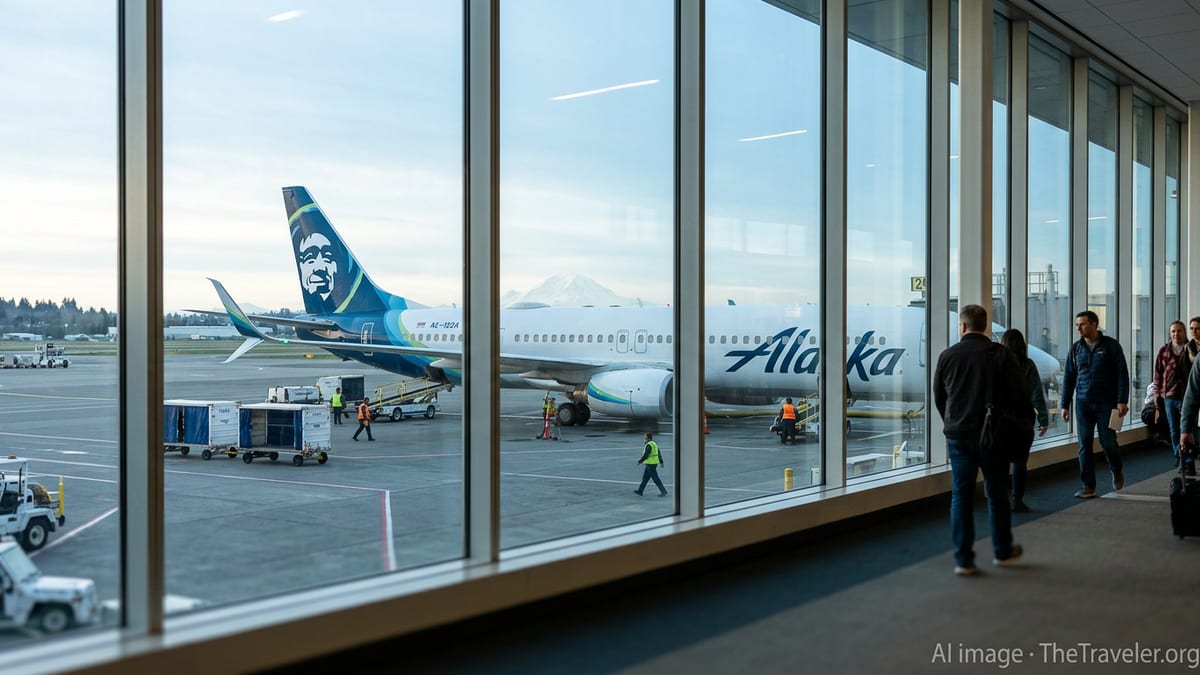
Alaska’s First Direct Link From Seattle to Italy
The new Seattle–Rome route marks a significant expansion of Alaska Airlines’ long-haul ambitions, building on its recent push into international flying from its Seattle hub. Rome Fiumicino’s latest timetable now lists Alaska among its North American carriers, with seasonal service from Seattle set to begin in late April 2026 and roll into the peak spring and summer travel period in May.
For Seattle, the flight strengthens the city’s role as a West Coast gateway, offering residents a nonstop option to Italy that previously required at least one connection through hubs such as London, Frankfurt or New York. The added capacity also reflects sustained demand from Pacific Northwest travelers who have increasingly turned to Europe for summer vacations.
While exact seasonal dates and weekly frequencies may still be fine-tuned as launch approaches, the service is expected to run during the busy late spring and summer months, when demand for transatlantic leisure travel is at its highest. That timetable aligns with school holidays and the peak of Italy’s tourism season, positioning the route to capture both vacation and visiting-friends-and-relatives traffic.
The decision to choose Rome for one of Alaska’s early European routes is no accident. The Eternal City remains a perennial favorite for first-time visitors and return travelers alike, offering a mix of art, history, food and easy onward connections throughout the Italian peninsula.
What the New Route Means for Your Italy Itinerary
For travelers planning a vacation in Italy from 2026 onward, the Seattle–Rome nonstop can fundamentally reshape how you build your itinerary. Flying directly into Rome allows you to land within easy reach of the city’s historic center, cutting hours off journeys that used to require domestic connections or backtracking through northern European hubs.
Rome’s Fiumicino Airport is a major domestic and regional hub, making it a logical starting point for multi-stop itineraries. From here, travelers can connect by short-hop flights or high-speed rail to Florence, Naples, Bari or Venice, or head to coastal destinations such as the Amalfi Coast and Cinque Terre after spending a few days exploring the capital.
The new nonstop also creates an appealing open-jaw option. Travelers might fly from Seattle to Rome, spend time in central and southern Italy, then return home from a different European city using Alaska’s partners, or vice versa. That flexibility can reduce backtracking and free up more days for on-the-ground exploration rather than transfers.
For West Coast travelers who previously routed through East Coast hubs, the ability to board in Seattle and arrive in Rome on a single flight can help reduce jet lag and travel fatigue. Fewer layovers mean fewer chances for disruption, something that has become increasingly important to travelers after several years of operational volatility.
Onboard Experience: Long-Haul Comfort and Connectivity
Alaska Airlines has been upgrading its long-haul offering as it steps more firmly into the transpacific and transatlantic markets. While final aircraft details for the Seattle–Rome service have not been fully publicized, the carrier is expected to deploy a widebody or longer-range aircraft equipped with a three-cabin configuration, including a lie-flat business class product aimed at both premium leisure and high-end corporate travelers.
Travelers in business class can expect fully reclining seats, enhanced privacy, and an upgraded dining program tailored to long-haul flights, while premium economy style seating is likely to offer additional legroom, enhanced recline and priority services on the ground. In the main cabin, Alaska has emphasized in-seat power, personal device entertainment and fleetwide connectivity on its longer routes, features that are likely to carry over to the Rome service.
For many vacationers, inflight Wi-Fi and streaming entertainment have become essential on flights approaching eleven hours in duration. Alaska’s focus on consistent connectivity and seatback or personal-device entertainment options should make the long journey more comfortable, particularly for families traveling with children and remote workers trying to stay online before or after their holidays.
Frequent flyers in Alaska’s loyalty program may also see enhanced opportunities for mileage earning and redemption on the new route, especially when combined with credit card partnerships and elite status benefits. That can add further value for travelers who make Italy a recurring destination.
Competitive Pressure From Other Carriers
Alaska’s move into the Seattle–Rome market does not exist in a vacuum. Other major carriers have already flagged plans to add or expand service between Seattle and key European cities in 2026, including routes from Seattle to Rome operated by competing airlines. Industry analysts see this as a sign that airlines are betting on sustained transatlantic demand from the Pacific Northwest rather than a temporary post-pandemic surge.
For travelers, more competition typically translates into a broader range of schedules, cabin products and price points. As rival carriers roll out their own long-haul offerings from Seattle to Rome and other European gateways, Alaska will have to compete on schedule convenience, onboard experience and the strength of its loyalty ecosystem.
The competitive landscape may also influence promotional pricing in the months leading up to the May 2026 launch. Early-booking fares, mileage sales and package deals bundling flights with hotels or tours could surface as airlines look to lock in summer bookings. Keeping an eye on fare trends across several carriers will be important for travelers hoping to secure the best value.
Seattle’s emergence as a transatlantic and transpacific hub could bring longer-term benefits as well. A denser network of international routes gives travelers more flexibility to mix and match carriers and alliances, using Seattle as a convenient jumping-off point not only to Italy, but to the broader European continent.
How to Plan Now for a 2026 Italian Getaway
With Alaska’s Seattle–Rome launch still more than a year away, would-be travelers have time to map out a strategic approach to their 2026 Italy plans. One early step is to sketch out your ideal travel window in late spring or summer 2026, then monitor fare announcements and schedule updates as airlines finalize their timetables.
Travel advisors suggest building in some flexibility, especially around shoulder-season dates in May and early June, when Italy’s weather can be pleasant but peak crowds and prices have not yet fully set in. The Seattle–Rome nonstop could be particularly attractive for travelers who want to enjoy milder temperatures in Rome and the surrounding region before the height of summer.
Now is also the time to consider your mileage and points strategy. Travelers who focus their flying and credit card spending within Alaska’s ecosystem may find it easier to redeem miles for seats on the new route once award inventory becomes available. Given the likely popularity of nonstop service to Italy, securing award seats may require booking as early as possible once schedules open.
Accommodation and ground transport planning should follow soon after flights. With a nonstop into Rome, travelers can confidently book hotels or vacation rentals in central neighborhoods such as Trastevere, Monti or Prati, then layer in side trips by train to destinations like Florence, Orvieto or Naples. The simplicity of a single long-haul flight from Seattle opens up more time to enjoy Italy rather than plan how to reach it.