

More news on this day
Alaska’s tourism industry is stepping up its presence in India, using roadshows, trade missions and cooperative marketing to position the remote northern state as a bucket-list destination for a fast-growing segment of outbound Indian travelers.
Get the latest news straight to your inbox!
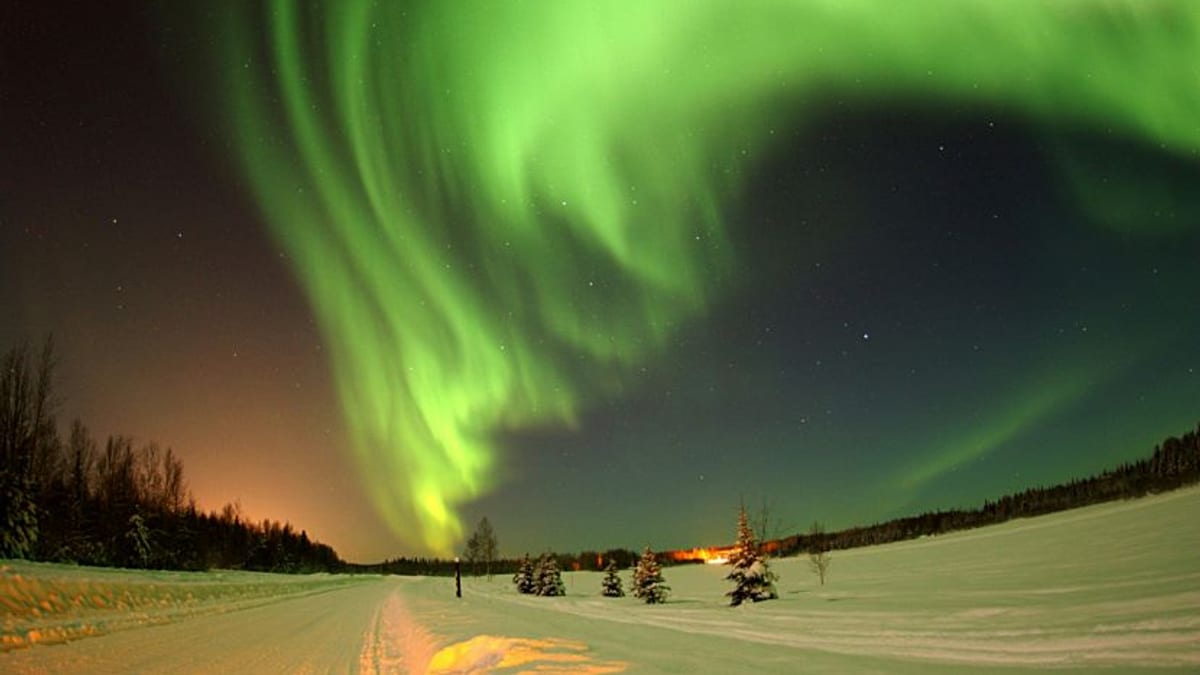
Image by Latest International / Global Travel News, Breaking World Travel News
Indian Outbound Travel Surges, With the U.S. in Focus
Publicly available data shows that India has emerged as one of the world’s most dynamic outbound tourism markets, driven by rising disposable incomes, expanding aviation links and a growing appetite for long-haul experiences. Industry research cited by U.S. government agencies indicates that Indian outbound travel has rebounded sharply from the pandemic period and is projected to keep expanding steadily over the next decade.
The United States has been a particular beneficiary of this trend. Figures compiled by the U.S. National Travel and Tourism Office and reported by trade publications indicate that Indian visitation to the country has more than recovered to pre-2019 levels, with visits surpassing 2 million in 2025 and India moving into the top tier of overseas source markets for the U.S. tourism sector. Analysts describe India as one of the fastest-growing contributors to U.S. inbound travel, outpacing more mature markets in Europe and East Asia.
Within that wider surge, Alaska is seeking to carve out a larger share. State and local tourism bodies now view India not only as a niche market but as a strategic focus, alongside long-established feeders such as Germany, the United Kingdom and Australia. Industry documents highlight India among priority international markets where destination marketing can yield outsized gains in visitation and visitor spending.
Tour operators in India have also begun to adapt their offerings. Travel trade coverage points to a steady increase in itineraries that include Alaska as part of U.S. or North America packages, particularly for summer school holidays and honeymoon travel. This shift aligns with a broader Indian preference for experiential, nature-based and multi-country trips, which tour planners say can help justify the cost and flight time involved in reaching North America.
Roadshows and Sales Missions Put Alaska on the Indian Map
To turn interest into bookings, Alaska’s tourism industry has intensified its direct outreach to Indian travel agents and tour wholesalers. Cooperative marketing program materials from the Alaska Travel Industry Association describe an “Alaska Media Road Show” format that brings state and local partners together to meet travel professionals and media in key international markets. Recent iterations of this program list India among target countries for sales missions and road-based promotions.
Visit Anchorage, the destination marketing organization for the state’s largest city, has also identified India as a focus for trade development. A current Meet Alaska directory of industry partners cites “India & UK Sales Missions” among its international initiatives, confirming that in-market calls on Indian trade partners are now part of Anchorage’s broader strategy to grow long-haul arrivals. These missions typically combine presentations, one-to-one meetings and product training aimed at front-line sellers.
Roadshows are considered particularly important in India, where travel decisions are heavily influenced by retail agents and consolidators. Trade reports on South Asia’s Travel & Tourism Exchange and similar fairs note that U.S. destinations use these platforms to build relationships, explain visa and routing options, and introduce niche products such as Alaska’s rail journeys or small-ship cruises. Alaska’s participation in such events reflects a shift from relying on generic U.S. branding to promoting specific state-level experiences.
Industry observers say these efforts are gradually increasing Alaska’s visibility in a crowded long-haul marketplace. Travel press coverage from India now features Alaska more frequently in destination round-ups, with references to joint campaigns, training sessions and partnerships between Alaskan suppliers and Indian tour operators. Stakeholders view this as an early sign that roadshows and missions are beginning to convert awareness into inclusion in mainstream itineraries.
Adventure, Wilderness and Cooler Climes Appeal to Indian Travelers
The product that Alaska offers aligns closely with several trends shaping Indian outbound travel. Surveys and commentary published by tourism analysts indicate a rising preference among Indian travelers for cooler destinations during the subcontinent’s peak summer heat, as well as growing demand for immersive nature, wildlife and soft-adventure experiences. Alaska’s glaciers, fjords and national parks, together with its milder summer temperatures, naturally match those priorities.
Local tourism research from Anchorage points to strong visitor satisfaction with access to outdoor activities such as hiking, wildlife viewing and glacier cruises. While those studies are not India-specific, they underline the destination’s strengths in areas that Indian travel planners increasingly highlight in brochures and online campaigns. The combination of scenic rail journeys, self-drive routes, and flightseeing excursions is frequently cited in trade coverage as a way to differentiate Alaska from more familiar U.S. city-and-theme-park circuits.
Cruising is another area where Alaska may benefit from Indian market growth. Industry reports on global cruise trends note that Indian passengers are beginning to look beyond short regional cruises in Asia to longer itineraries in Europe and North America. Alaska’s popular one-way and roundtrip cruise options, often paired with land tours to Denali National Park or the Interior, give Indian wholesalers flexible building blocks for premium packages targeting families and multi-generational groups.
The state’s Indigenous cultures also resonate with a segment of Indian travelers seeking authentic cultural encounters. Research published by the American Indian Alaska Native tourism sector emphasizes the growing contribution of Native-owned tourism businesses to the U.S. economy and highlights visitor interest in Indigenous storytelling, art and heritage experiences. For Indian travelers, who are accustomed to culturally rich domestic tourism, these elements can add depth to an Alaskan itinerary and justify longer stays.
Connectivity, Seasonality and Visa Hurdles Shape Growth Prospects
Despite rising interest, Alaska’s ability to grow its share of the Indian market will depend on practical factors such as air connectivity and visa processing times. Travel trade analyses show that most Indian visitors to Alaska currently route through major U.S. gateways like Seattle, San Francisco and Chicago, or via Canadian hubs such as Vancouver, before taking domestic flights north. This multi-leg journey adds cost and complexity, particularly for first-time visitors to the United States.
Industry commentary suggests that improved schedule coordination between international flights from India and domestic services to Alaska could make combined itineraries more attractive. While direct flights between India and Alaska are not in operation, codeshare agreements and alliance partnerships are cited as tools that can reduce perceived barriers by simplifying ticketing and baggage transfers for passengers unfamiliar with North American hubs.
Seasonality is another key consideration. Alaska’s main tourism season typically spans late spring to early autumn, overlapping with Indian school holidays and wedding travel peaks. Travel agencies quoted in trade publications note that this timing helps, but also compresses demand into a short window when airfares and hotel rates are highest. Some Alaskan marketers have therefore begun promoting winter experiences, including northern lights viewing and snow-based activities, to encourage Indian visitors to consider shoulder and off-season travel.
Visa procedures remain a broader U.S. issue that directly affects Alaska’s prospects. Public reports from industry associations describe lengthy appointment wait times and documentation requirements for U.S. visitor visas as a persistent friction point in India. Destination marketing materials for Alaska now routinely include practical guidance on routing and planning within a broader U.S. trip, an acknowledgment that the state must compete for attention within the limited number of U.S. visits that Indian travelers can realistically undertake.
Trade Partnerships and Product Development Signal a Longer-Term Play
As Alaska’s engagement with India deepens, tourism bodies and private operators are shifting from short-term campaigns to longer-term trade partnerships. Cooperative marketing outlines from the Alaska Travel Industry Association emphasize joint initiatives with tour operators and airlines, including co-branded advertising, hosted familiarization trips and digital campaigns tailored to Indian consumer preferences. These steps are designed to translate trade awareness into sustained booking channels.
On the ground, Alaskan suppliers are gradually adapting product offerings for Indian guests. Travel industry coverage notes growing attention to vegetarian and Jain meal options, language support for key documents and guides, and flexible payment and cancellation terms that align with Indian market norms. Larger Indian tour companies, in turn, are building tiered Alaska products, from value-oriented coach tours to luxury small-group adventures.
Analysts tracking global tourism flows point out that India’s outbound market is still in an early growth phase compared with China or Western Europe. That perspective has encouraged destinations such as Alaska to invest in brand-building now, with the expectation that market share secured in the 2020s could yield substantial dividends as Indian international travel volumes rise over the next 10 to 15 years.
For Alaska, often branded as the Last Frontier, the shift in strategy toward India reflects both necessity and opportunity. As competition for North American visitors intensifies and some traditional overseas markets mature or soften, the state’s tourism planners see India’s expanding middle class, youthful demographics and taste for adventure as a natural fit for its wilderness-based offering. Roadshows and sales missions represent the visible edge of a wider campaign to ensure that, when Indian travelers think of the United States, the northern lights and glaciers of Alaska are part of the picture.