

More news on this day
A routine Alaska Airlines flight has become the focus of intense online debate after passengers shared accounts of a pilot’s unusually candid in-flight announcement, raising questions about how much information travelers really want to hear from the cockpit and why some updates sound more alarming than reassuring.
Get the latest news straight to your inbox!
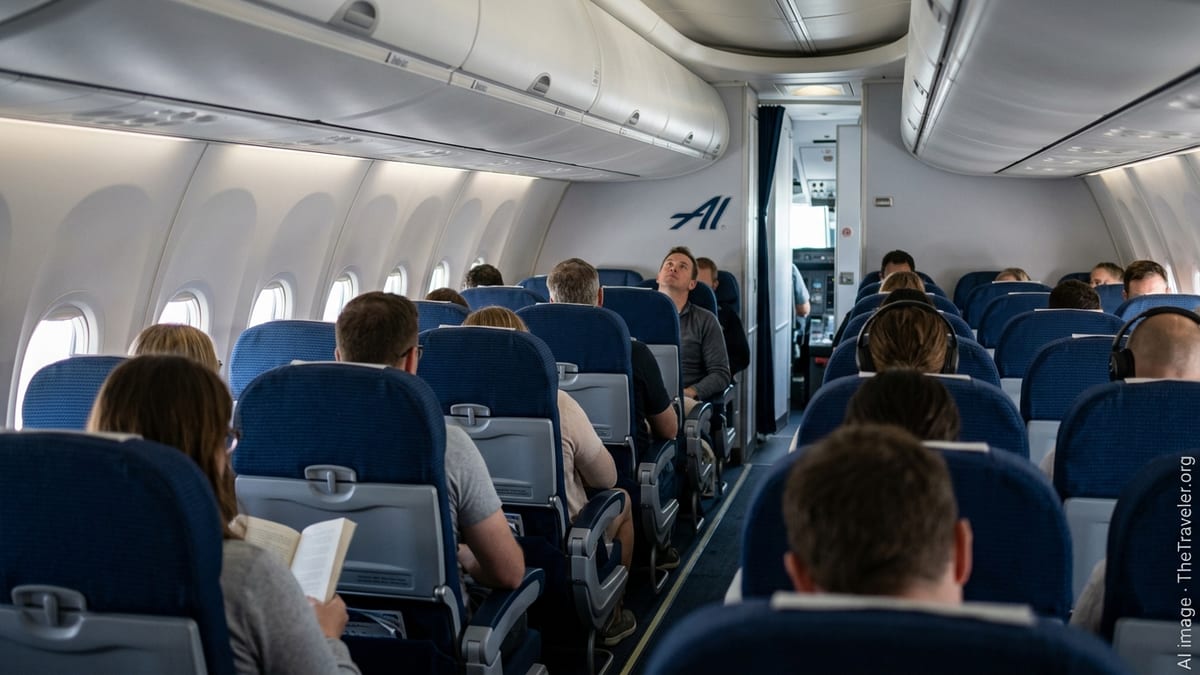
A Strange Moment at 35,000 Feet
Reports circulating on social media in recent days describe an Alaska Airlines pilot delivering an announcement that some passengers characterized as bizarre, overly detailed and oddly phrased. While exact wording varies across accounts, travelers describe a message that blended technical information, personal commentary and speculation about possible disruptions in a way that left many unsure how seriously to take it.
According to publicly shared posts, the announcement was not prompted by an obvious emergency such as a mechanical failure or medical event. Instead, passengers say it unfolded during what otherwise felt like a normal phase of the flight, which added to the sense of disconnect between the calm cabin environment and the pilot’s tone from the flight deck.
The moment quickly migrated from the aircraft cabin to video clips, text threads and aviation forums, where travelers began dissecting why the pilot chose those words and whether they crossed a line from transparency into unnecessary alarmism. The discussion has tapped into a much broader question confronting modern air travel: what, exactly, do passengers want to hear when they are buckled in and cannot leave.
How Pilot Announcements Are Supposed to Work
Publicly available safety and training materials for commercial pilots describe in-flight announcements as a tool for clarity and calm. Standard briefings typically cover flight time, weather at the destination and any expected turbulence. Industry guidance emphasizes clear, factual language that avoids technical jargon and avoids speculating about worst case scenarios that are unlikely to occur.
Aviation forums and pilot communities often note that captains are trained to strike a careful balance. On one hand, travelers increasingly expect transparency when there are delays, diversions or unusual procedures. On the other, pilots are warned that too much detail or emotional color can make routine precautions sound like imminent danger, especially to nervous flyers.
In practice, this balance is difficult to maintain. Pilots are speaking live, often over imperfect public address systems, while also managing a complex workload. Small shifts in phrasing, hesitation or a stray remark can dramatically change how a message lands with passengers, even if the underlying situation is well under control.
Previous incidents involving confusing or unsettling announcements, including reports of vague references to unspecified “trouble lights” or maintenance issues that later proved minor, have shown how quickly unclear communication can overshadow an otherwise safe and uneventful flight.
Why This Alaska Pilot’s Words Hit a Nerve
The reaction to the latest Alaska Airlines announcement appears amplified by the airline’s recent run of high profile events. Travelers have closely followed earlier mechanical incidents and widely reported disruptions, and some passengers now interpret any unusual language from the cockpit through that lens of heightened sensitivity.
According to discussions on aviation and airline specific forums, travelers on this flight were not reacting solely to the content of the announcement, but to its tone and timing. Several accounts highlight that the pilot mixed technical commentary with subjective remarks that some heard as anxious or defensive. That blend, they argue, made the situation feel more serious than it likely was.
This response mirrors a trend that communication specialists in aviation have been tracking for years. When passengers are already aware of previous headlines involving an airline, even minor irregularities or odd turns of phrase can feel loaded with additional meaning. A sentence that might have sounded merely quirky in calmer times can be read as ominous when confidence is fragile.
Travelers also bring smartphones and social platforms into the cabin, turning every unusual announcement into potential content. Once a clip, paraphrase or screen grab reaches a wide audience, it can take on a life of its own, detached from the full context of the flight where experienced crew calmly continued their work.
The Psychology of Hearing Bad News in the Air
Psychologists who study risk perception have noted that people process information differently when they feel trapped or unable to act. In an aircraft cabin, passengers cannot simply step outside to regroup. That lack of control can amplify the emotional impact of any message that hints at trouble, no matter how remote the actual risk.
Travel behavior research indicates that even neutral phrases like “out of an abundance of caution” or “not an emergency at this time” can trigger anxiety because they introduce the idea that an emergency is on the table. When pilots add personal reflections, speculative comments or dark humor, that effect can multiply, especially for travelers who already fear flying.
On the Alaska flight at the center of this discussion, social media posts suggest that some passengers found the announcement oddly intimate, as if they were listening to the pilot think out loud. Others felt that the pilot’s attempt to be open and human came across as unprofessional in a context where authority and composure are especially valued.
The contrast between the serenity of the cruise phase and the unsettling tone of the message is part of what has kept this story circulating. For many, the incident has become a case study in how much the emotional framing of information matters at altitude, even when the underlying facts are not particularly alarming.
What Airlines May Learn From This Viral Moment
While this Alaska Airlines incident appears to have ended without any safety consequences, it is likely to feature in internal conversations about communication standards. Publicly available union documents and safety submissions already show that some pilot groups have been reassessing how and when captains speak to passengers, especially in the wake of widely covered events involving the airline.
Industry observers note that carriers are increasingly aware that in-flight announcements are no longer ephemeral. Anything said over the cabin speakers can be recorded, shared and dissected, making consistency and clarity more important than ever. Training programs may put renewed emphasis on sticking to clear facts, avoiding speculation and keeping personal commentary to a minimum.
At the same time, there is recognition that pilots are not scripted broadcasters. Many travelers appreciate a touch of personality and warmth, and some of the most beloved flight experiences are linked to memorable, human sounding announcements. The question raised by this Alaska flight is where the line lies between approachable and unsettling, and how individual pilots are expected to navigate that boundary.
For passengers, the episode is another reminder that air travel is a highly choreographed collaboration between technology, regulation and human judgment. The words from the cockpit are only one part of that system, but as this viral moment illustrates, they can shape how a flight is remembered long after the wheels touch down.