

For many travelers, the words “Alaska” and “Canada” conjure the same image: vast, glacier carved mountains, roaming bears, silent forests, and long, luminous nights under the northern lights. Yet when it comes to planning a serious wilderness trip, the two are not interchangeable. The differences in terrain, access, seasons, and style of adventure can shape an entirely different kind of journey, even if the map shows only a thin border between them. Choosing between Alaska and Canada is less about which is “better” and more about which version of the North matches your expectations, skills, and comfort level with remoteness.
Defining “Wilderness” in Alaska and Canada
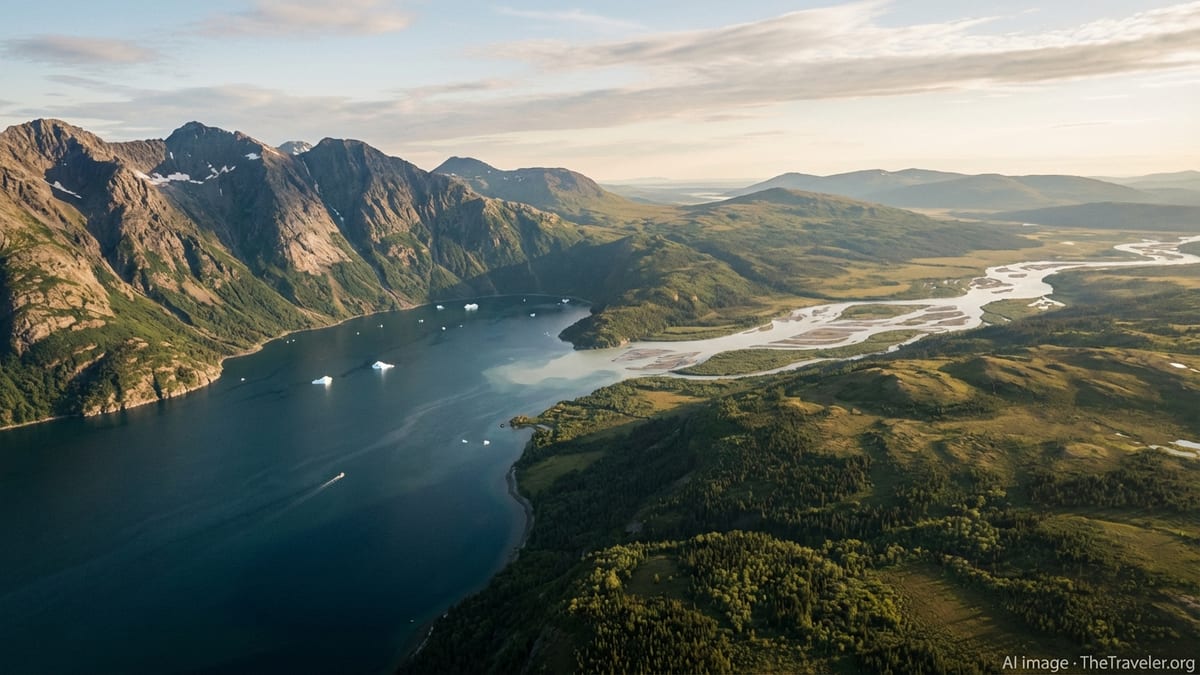
Alaska and Canada share a similar reputation for raw, unmanicured nature, but the way wilderness is protected and accessed differs in important ways. In Alaska, huge tracts of public land, including national parks, wildlife refuges, and state parks, create a patchwork of largely roadless terrain. Places such as Wrangell St. Elias, Denali, and Kachemak Bay State Park combine minimal infrastructure with vast backcountry where self reliance is essential and encounters with other travelers are limited. In practice, “wilderness” in much of Alaska means you move by floatplane, boat, or on foot, and once you are dropped off, you are largely on your own.
Canada also offers exceptional wilderness, but it spans a broader spectrum of access. In the Rockies of Alberta and British Columbia, iconic parks like Banff and Jasper mix dramatic landscapes with developed highways, frontcountry campgrounds, and a well established tourism network. Farther north, in places like Yukon, Northwest Territories, Nunavut, and remote national parks such as Vuntut and Ivvavik, the experience becomes more like Alaska: fly in, no marked trails, and few or no facilities. For many travelers, the Canadian wilderness continuum makes it easier to match conditions to comfort level, from roadside viewpoints to true expedition style trips.
The concept of wilderness management also differs. Alaska’s extensive public lands are managed by multiple agencies with varying rules, from strict wildlife refuges to more flexible state recreation areas. Canada’s national and territorial parks often require permits for backcountry travel and camping, especially in sensitive northern environments, which can add paperwork but also help control crowding and impact. Both countries ask visitors to travel responsibly, but Canada’s systems can feel more structured, while Alaska often feels more open and self directed.
Ultimately, the wilderness question comes down to how much independence you want. If your ideal is a place where there are almost no established trails and regulations feel minimal once you leave the airstrip, Alaska often fits the bill. If you prefer wild landscapes anchored by a clear framework of reservations, passes, and published routes, many Canadian regions provide that balance.
Landscapes and Signature Experiences
On a map, the northern cordillera runs seamlessly across Alaska, Yukon, and the western provinces, but on the ground, the signature experiences can feel distinct. Alaska’s coastal mountains and massive icefields create some of the most impressive glacier and fjord scenery on the continent. Destinations accessible from hubs like Anchorage and Juneau offer day cruises past tidewater glaciers, sea kayaking with views of calving ice, and coastal hiking where rainforest meets sea. In interior Alaska, broad river valleys, taiga forests, and rounded mountains set the stage for multi day backpacking and rafting trips that feel deeply remote.
Canada’s wilderness landscapes are more varied simply because the country is so large. In the west, the Canadian Rockies deliver jagged limestone peaks, teal glacial lakes, and dense trail networks. Here, wilderness can mean backpacking from hut to hut, staying at a backcountry lodge, or camping along well signed routes that still offer true mountain exposure. Northwest of there, Yukon and Northwest Territories trade crowds for enormous river systems and tundra plateaus where canoe expeditions and wildlife viewing define the experience. Farther east, northern Quebec, Labrador, and Nunavut stand out for Arctic tundra, polar bears, and coastal fjords accessible by small communities and seasonal expeditions.
Both Alaska and Canada are excellent for wildlife focused trips, but the marquee animals sometimes differ. Alaska is strongly associated with brown and black bears, particularly around salmon streams, and recent seasons have seen growing demand for bear viewing flights from Anchorage and other hubs to remote sanctuaries where regulated access allows close yet controlled viewing. Coastal Alaska also delivers encounters with whales, sea otters, and puffins on day cruises from ports such as Seward and Homer. In much of Canada, wildlife highlights can include grizzly and black bears, moose, wolves, and caribou, but also unique regional species such as muskox in the far north and abundant migratory birds in Arctic parks.
For northern lights enthusiasts, both destinations offer high quality viewing. Interior Alaska, especially around Fairbanks, is widely regarded as one of the world’s most reliable aurora hubs during the long nights from roughly late August through early spring, with clear skies and frequent displays. In Canada, communities such as Yellowknife have built a reputation for consistent aurora viewing with dedicated lodges and guided trips. In both cases, visitors who stay multiple nights during the main aurora season and plan for cold temperatures typically enjoy strong odds of seeing the lights.
Access, Infrastructure, and Trip Style
The way you move through the landscape may be the single biggest practical difference between an Alaska and a Canada wilderness trip. In Alaska, even heavily visited areas often require a mix of flights, ferries, and small boat transfers. Many state and national parks have little or no road access. Kachemak Bay State Park, for example, is reached by water taxi or small boat from Homer, and once there, travel is entirely on foot or by kayak. Fly in lodges, floatplane drop offs for backpacking, and air supported rafting trips are common, reflecting both the scale of the terrain and the limited road network.
Canada, particularly in the western provinces, benefits from a more extensive highway system that reaches deep into the mountains. Travelers can explore significant wilderness on self drive trips, stringing together hikes, short backpacking routes, and canoe excursions from pavement accessible trailheads. In Banff and Jasper, scenic parkways pass within easy reach of glaciers, alpine passes, and backcountry campgrounds that can be reached on foot within a day or two. This does not mean the terrain is tame, but it does mean you can experience remote feeling landscapes without relying as heavily on charter flights or marine transport.
In the far north of both countries, logistics converge. Whether you are flying to a remote river in Yukon or a backcountry landing strip in Arctic Alaska, you may depend on small aircraft, experienced pilots, and chartered logistics coordinated months ahead. Trip costs and complexity rise quickly once you plan to move beyond road heads and scheduled commercial flights. For many travelers, this is where guided expeditions become essential, providing both safety and logistical support in regions that have little emergency infrastructure and extreme weather variability.
Another aspect of infrastructure is the style of accommodation you prefer. Alaska’s wilderness trips often revolve around rustic lodges, basic cabins, tent camping, or simple public use cabins where they exist. Canada offers similar options but also has a stronger tradition of backcountry huts and lodge based hiking or skiing in some mountain regions, which can appeal to travelers who want wild surroundings with a bed and a roof at night. Ultimately, those who want a road based adventure with flexible day trips may find western Canada more straightforward, while travelers eager to build an itinerary around boats and bush planes often gravitate to Alaska.
Seasonality, Weather, and Best Time to Go
Picking the right season matters in both Alaska and Canada, and the “best” time depends heavily on your goals. In Alaska, the primary summer travel season typically runs from June through early September. June brings long daylight and relatively dry conditions, July is popular for warmer temperatures and lush green landscapes, and August and early September bring fall colors and, in some areas, the first chances to combine autumn hiking with early northern lights. Winter and shoulder seasons are increasingly popular for aurora centered trips, particularly from late fall through March when darkness and auroral activity align.
Canada’s timing is more region specific. In the Canadian Rockies, the main hiking and backpacking season is generally late June through September, with higher passes often holding snow until early summer and some trails becoming muddy or unstable during spring runoff. Northern regions such as Yukon and Northwest Territories have a shorter summer window, often from June to August, when rivers are open for paddling, tundra is accessible, and insects peak. In Arctic parks like Vuntut, management agencies recommend visiting in the mid summer months when weather and access are least challenging, even though conditions can still shift quickly and facilities are minimal.
Winter tourism has expanded in both destinations, with dedicated northern lights seasons in interior Alaska and locations such as Yellowknife and northern Manitoba. These trips typically run from around late August or early autumn through early spring, with a focus on clear, dark nights. The cold can be extreme in either country, particularly between December and February, so visitors are advised to plan carefully for gear, layering, and exposure limits. Many operators schedule aurora tours around the equinox periods in March and September, when geomagnetic activity often peaks while temperatures are slightly more manageable than midwinter.
Wildfire seasons are now a planning factor in both Alaska and Canada, especially in late summer. In recent years, communities such as Jasper in Alberta have experienced significant fires that affected forests and local services yet also spurred rebuilding and ecological renewal. Travelers considering late season trips should monitor regional advisories and air quality and maintain flexibility in their itineraries. In general, those seeking clear hiking conditions and stable weather might favor mid season dates, while those willing to accept more variable conditions can use shoulder months to avoid some of the peak crowds.
Wildlife Viewing, Safety, and Responsible Travel
Wildlife is often the main reason travelers choose Alaska or Canada for a wilderness trip, and both regions offer remarkable opportunities. In Alaska, structured wildlife experiences range from day cruises that focus on whales, sea lions, and seabirds to specialized bear viewing excursions timed for salmon runs. Certain sites use permit systems and daily visitor caps to keep encounters sustainable, particularly where bears congregate in large numbers. Recent seasons have seen strong demand for such experiences, signaling a rising interest in controlled, wildlife friendly tourism rather than casual, unregulated sightings.
Canada offers similarly rich wildlife encounters but with distinct regional highlights. In the Canadian Rockies, visitors frequently see elk, mountain goats, bighorn sheep, and occasionally bears along highway corridors. In more northern parks, caribou, wolves, muskox, and a variety of raptors and waterfowl become part of the experience, though sightings are never guaranteed. Organized wildlife tours operate in several provinces and territories, particularly where polar bears, beluga whales, or large caribou herds are seasonal attractions. Across both countries, tourism boards and park agencies emphasize not approaching or feeding animals, maintaining safe viewing distances, and following local regulations around attractants such as food and scented items.
Safety is a central concern in true wilderness. Both Alaska and Canada require travelers to be self aware about their skills and preparedness. Bears are present across wide swaths of both regions, and consistent advice includes carrying bear spray where allowed, storing food securely, and knowing how to respond to encounters. River crossings, rapidly changing weather, and limited communications also demand respect. In many remote parks, there is no cell coverage, few if any marked trails, and rescue may be delayed. Visitors are urged to register itineraries, carry satellite communication devices or emergency beacons when venturing into remote backcountry, and understand that professional rescue teams may be hours or days away.
Responsible travel extends beyond safety to environmental impact and respect for Indigenous lands and communities. Large parts of Alaska and northern Canada are traditional territories where Indigenous peoples continue to live, hunt, and steward the land. Many operators work in partnership with local communities, offering cultural experiences and using Indigenous guides. Travelers can support these efforts by choosing companies that prioritize local employment, listening to cultural protocols, and leaving minimal trace on the landscape. Simple habits such as staying on durable surfaces, packing out all waste, and avoiding disturbance to wildlife can significantly reduce impact in fragile northern ecosystems.
Costs, Crowds, and choosing the Right Destination for You
Cost and crowd levels often tip the balance between Alaska and Canada for wilderness minded travelers. Alaska can be relatively expensive once you factor in charter flights, marine transport, and the higher cost of goods in remote communities. Even road based itineraries may involve long distances between fuel stops and limited budget options in small towns. At the same time, Alaska’s main highway corridors and cruise ports can feel busy in peak summer, with popular viewpoints and day hikes seeing steady traffic, especially near Anchorage, Denali, and the Inside Passage cruise ports.
Canada offers a wider range of price points, particularly if you focus on self drive trips in regions with more competition and infrastructure. In western provinces, camping and frontcountry lodging can sometimes be more affordable than comparable options in Alaska, and the ability to travel by personal or rental vehicle reduces dependence on expensive charters. However, the most famous parks, especially in the Canadian Rockies, attract substantial visitor numbers in July and August. Reservations for campsites and backcountry permits often open months in advance and can sell out quickly, which means a more structured planning process but also the predictability of secured spots.
Remote Canada can be as costly and complex as Alaska. Flying into Arctic communities, chartering boats or aircraft, and shipping gear to northern territories add up quickly. In both countries, the rule of thumb is that the more remote the destination and the more specialized the activity, the higher the cost. Travelers on moderate budgets might lean toward combining a few guided experiences with largely independent travel in road accessible areas, whether that means a mix of hiking and wildlife tours out of Anchorage or a rental car based exploration of British Columbia and Alberta with select guided add ons.
When choosing between Alaska and Canada, consider not only cost but also what kind of “busy” you are willing to accept. If you would rather see a handful of fellow hikers on a long trail than share a roadside overlook with bus groups, remote corners of either destination can deliver that solitude with enough planning. If your comfort level is higher with reasonably close services and emergency care, well traveled corridors in Canada may feel more reassuring. The art of planning is matching your appetite for isolation with the budget, time, and skills you can realistically bring to the trip.
The Takeaway
For travelers weighing Alaska against Canada for a wilderness trip, there is no universal winner, only a better fit. Alaska tends to appeal to those drawn to superlatives: the largest glaciers, the longest summer days, the sense of stepping off the end of the road into a country of bush planes and tidewater ice. Its wilderness often feels raw and unscripted, with fewer formal structures once you leave the main corridors, and a strong emphasis on self reliance and small scale guiding in remote areas.
Canada offers a more graduated entry into the wild. From well signed trails in the Rockies to remote river expeditions in the territories, it allows travelers to choose their level of commitment and risk. The road networks, hut systems, and layered permitting processes may feel more managed, but they also open the door for a broader range of travelers, including those who want to push their comfort zone without fully stepping into expedition style logistics. Northern Canada, in particular, delivers experiences that are just as wild and remote as anything in Alaska, often with the added draw of extensive canoe routes and Arctic tundra.
If you dream of flying deep into roadless country, landing on gravel bars, and spending days without seeing other parties, Alaska and the far north of either country will feel similar. If you want world class scenery with the option to retreat to a lodge or town each night, Canada’s more accessible parks offer a strong case. Either way, careful attention to season, safety, and local guidance will matter more than the name stamped on the border. The real decision is not Alaska versus Canada, but what kind of northern wilderness you are ready for this time.
FAQ
Q1. Is Alaska or Canada better for a first time wilderness trip?
For most first time wilderness travelers, western Canada is slightly more forgiving because of its extensive road network, clear trail systems, and wide range of accommodation. Alaska can be excellent for beginners too, especially with guided trips, but its remoteness and higher reliance on boats and small aircraft often suit those comfortable with more complex logistics.
Q2. Where are northern lights easier to see, Alaska or Canada?
Both offer excellent aurora viewing. Interior Alaska, especially around Fairbanks, and parts of northern Canada such as Yellowknife are known for frequent, reliable displays in the main season from late August through early spring. For most travelers, success comes down to traveling in the right months, staying several nights, and prioritizing dark, clear skies rather than choosing one country over the other.
Q3. Which destination is more affordable for a wilderness vacation?
In general, self drive trips in road connected parts of Canada can be more budget friendly than comparable Alaska itineraries that rely on charter flights and boat transfers. However, prices vary widely by region, season, and trip style. Remote expeditions in northern Canada can be just as costly as Alaska, while carefully planned, partially guided trips in Alaska can sometimes be managed on moderate budgets.
Q4. Do I need advanced backcountry skills to hike in Alaska or Canada?
Not necessarily, but it depends on where you go. Both countries have popular, well maintained trails suitable for fit beginners near major towns and parks. Once you move into true backcountry, especially in roadless or Arctic areas, navigation, river crossing experience, bear safety knowledge, and self sufficiency become important. Travelers without those skills should strongly consider guided trips.
Q5. Is wildlife viewing better in Alaska or Canada?
Neither destination is objectively better, but they offer different strengths. Alaska is strongly associated with bear viewing and marine wildlife, particularly around coastal fjords and salmon streams. Canada offers excellent opportunities for bears, moose, caribou, and in some regions muskox and polar bears, plus plentiful birdlife. Wherever you go, sightings are never guaranteed and ethical viewing from safe distances is essential.
Q6. How far in advance should I plan a wilderness trip to Alaska or Canada?
For peak summer travel, it is wise to start planning at least six to twelve months ahead, especially if you want backcountry permits, popular campsites, or specific lodges. More complex itineraries that require small aircraft, remote lodges, or multi day guided expeditions may need even more lead time. Shoulder season and winter trips can sometimes be arranged with less notice, but availability still tightens around holidays and popular aurora periods.
Q7. Is driving safe in remote parts of Alaska and Canada?
Driving can be safe if you prepare properly. Roads in popular regions are generally maintained, but distances are long, fuel and services can be sparse, and weather can change rapidly. In both destinations, travelers should keep fuel tanks topped up, carry basic emergency supplies, check road conditions regularly, and avoid pushing long distances in poor visibility or on icy surfaces, especially at night.
Q8. What is the best season for hiking in Alaska and Canada?
For most hikers, the core season runs from late June through early September in both destinations, with local variations depending on elevation and latitude. Lower elevation trails in the Canadian Rockies and coastal Alaska may open earlier, while high passes and northern tundra often remain snow covered into early summer. Late summer and early autumn can offer stable weather and fewer insects, though daylight hours begin to shorten.
Q9. Can I see glaciers easily in both Alaska and Canada?
Yes. In Alaska, tidewater glaciers are accessible on day cruises from coastal ports, and several roadside viewpoints offer glacier views near major highways. In Canada, accessible glaciers and icefields are concentrated in the Rockies and certain coastal mountain regions, often reached by scenic drives and moderate hikes. Both destinations also offer flightseeing and guided trekking on or near glacial terrain for those seeking a closer experience.
Q10. How should I choose between a guided and independent wilderness trip?
Consider your experience level, risk tolerance, and the remoteness of your chosen region. Independent travel works well on established trails and along main highways, especially for those with solid navigation and campcraft skills. Guided trips become more valuable as you move into roadless areas, tackle river journeys, or travel in true Arctic environments, where local knowledge, safety planning, and logistics are complex and where self rescue may not be realistic.