

More news on this day
New data on visitor spending and domestic travel patterns show Alberta stepping into a leading role in Canada’s surging tourism sector, joining provinces such as Ontario, British Columbia, Nova Scotia, Manitoba, Quebec and New Brunswick in driving nationwide growth while advancing a long-term shift toward more sustainable and inclusive travel.
Get the latest news straight to your inbox!
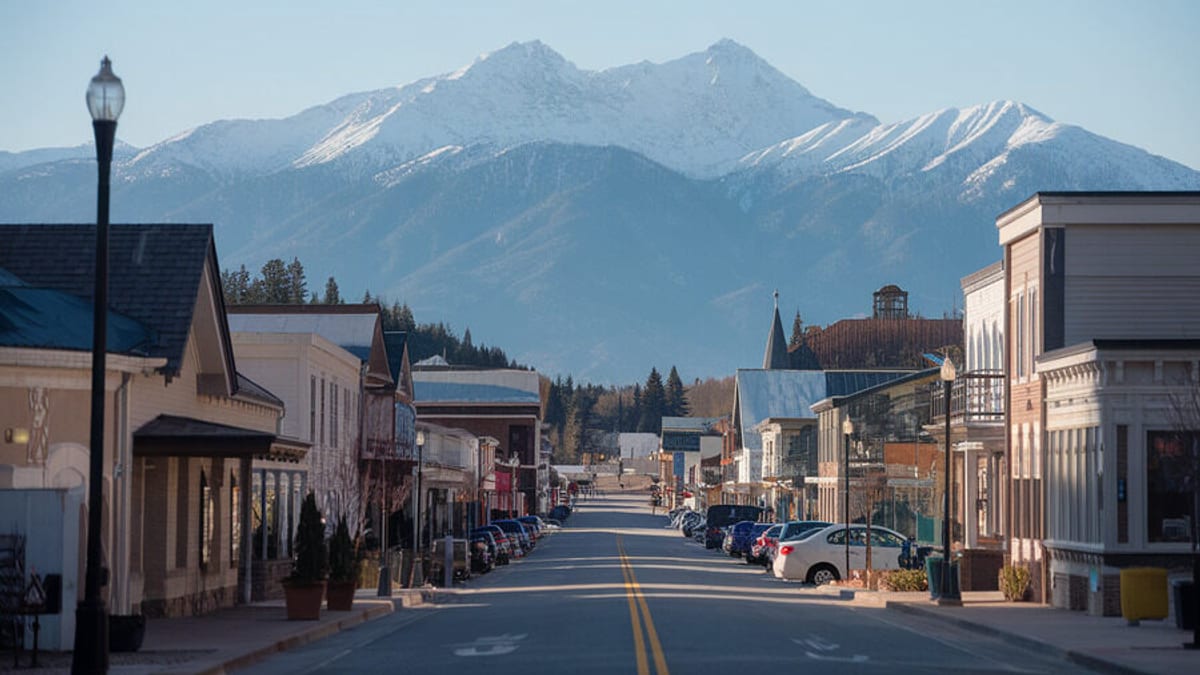
Image by Latest International / Global Travel News, Breaking World Travel News
Alberta’s Visitor Economy Outpaces National Growth
Across Canada, tourism has re-emerged as one of the fastest-growing sectors, with Statistics Canada reporting that sector-wide output in 2024 expanded more quickly than the broader economy. Within that rebound, Alberta has distinguished itself as a provincial frontrunner, posting gains in visitor spending that significantly outstrip the national average.
Industry figures released in early 2026 indicate that visitor spending in Alberta reached about 14.4 billion dollars in 2024, before rising again in 2025 to an estimated 15.2 billion dollars. Provincial tourism bodies report that this performance represents double-digit annual growth, roughly four times the pace seen across Canada as a whole, and marks a clear break from the volatility of the pandemic years.
This acceleration means Alberta has recovered and surpassed its previous records ahead of schedule, even as many destinations around the world remain in catch-up mode. Federal tourism outlooks point to total Canadian tourism expenditure climbing beyond pre-2019 levels, and Alberta’s results are now an increasingly important share of that broader visitor economy.
Major urban gateways are reinforcing the trend. Calgary International Airport handled a record number of passengers in 2024, exceeding its pre-pandemic peak and underlining Alberta’s status as one of the main entry points to Western Canada for both domestic and international travellers.
Long-Term Strategy Targets Sustainable, Year-Round Growth
Alberta’s rapid gains are not being treated as a short-term surge. Publicly available policy documents show that the province has set a long-range target of growing its visitor economy to 25 billion dollars in annual spending by 2035, effectively more than doubling its current tourism output over the next decade.
To underpin that ambition, the government introduced a dedicated tourism strategy, branded Higher Ground, in 2024. The plan positions tourism as a key pillar of economic diversification, with an emphasis on spreading visitation more evenly through the year, dispersing travellers beyond traditional hotspots and supporting smaller communities that depend heavily on seasonal income.
At the national level, Destination Canada and federal departments have framed tourism as a driver of both economic and social well-being, projecting that internal tourism expenditure could surpass 140 billion dollars by 2030 if current trajectories hold. Alberta’s growth targets align closely with this outlook, suggesting that the province is expected to remain a central contributor to Canada’s broader visitor economy.
Recent meetings of the Canadian Council of Tourism Ministers in Banff highlighted how provincial strategies are being synchronized with the federal Tourism Growth Program and related initiatives. Reports from those discussions emphasized Alberta’s early return to pre-pandemic spending levels and its commitment to scaling up capacity in a way that balances economic opportunity with environmental and community priorities.
All-Season Resorts and Nature Experiences Anchor Sustainable Development
A cornerstone of Alberta’s tourism push is a shift toward all-season, environmentally responsible resort development. Policy materials describing a new All-Season Resorts framework detail a vision in which resort projects on Crown land are planned and regulated with explicit sustainability principles and long-term destination stewardship in mind.
The framework outlines goals such as minimizing ecological footprints, managing visitor flows, and embedding climate resilience into infrastructure decisions. By focusing on year-round operations rather than short peak seasons, planners aim to spread visitor pressure more evenly, limit overcrowding at fragile sites and support more stable employment in nearby communities.
These initiatives build on the province’s existing reputation for outdoor experiences, from the Rocky Mountain national parks to Dinosaur Provincial Park and the badlands. Data on domestic visits indicate strong year-over-year increases in trips to the Alberta Rockies, reinforcing the need for destination management tools that protect landscapes while accommodating rising demand.
The wider Canadian context is moving in the same direction. Destination Canada has joined international sustainable tourism bodies and is rolling out indicators to measure the environmental and social impacts of growth. Alberta’s efforts to codify sustainability in resort policy place it alongside British Columbia, Quebec and other provinces that are experimenting with new models of nature-based tourism development.
Inclusive Travel Experiences Reach More Communities and Visitors
Canada’s tourism resurgence is not only about headline spending figures. Demographic analyses of recent travel seasons show that domestic trips within Canada rose sharply in 2025, with major increases in Ontario, Quebec, Alberta and Atlantic provinces such as New Brunswick and Nova Scotia. Research from market analysts suggests that multicultural suburban families are a leading force behind this trend.
Alberta is benefiting from this shift as more residents travel within the country rather than abroad. Data on domestic travel volumes indicate that Alberta recorded one of the largest jumps in visitor numbers among the provinces in 2025, adding hundreds of thousands of trips compared with the previous year. This domestic segment is supplementing strong international interest and helping to stabilize demand outside peak months.
Destination marketing organizations in cities like Calgary and Edmonton are tailoring campaigns around inclusive experiences that appeal to diverse travellers, including multi-generational families, newcomers to Canada and younger visitors seeking “cool-cation” urban escapes combined with nature. Publicly available information highlights growing investment in festivals, cultural programming and culinary tourism that showcase local communities alongside flagship attractions.
These efforts mirror initiatives in provinces such as Ontario and British Columbia, where large urban centres are placing greater emphasis on neighbourhood experiences, Indigenous culture, accessible outdoor recreation and public transit connectivity. Together, they reflect a broader national trend toward tourism models that welcome a wider range of visitors while spreading the benefits more equitably across communities.
Alberta’s Role in Canada’s Evolving Tourism Map
The emerging picture is of a Canadian tourism landscape where multiple provinces share the growth spotlight. British Columbia has reported strong revenues from short-term rentals and outdoor travel, Nova Scotia has set new records for tourism receipts, and Ontario and Quebec continue to post some of the country’s largest gains in visitor numbers and spending.
Within that constellation, Alberta is increasingly seen as a key counterweight and complement, linking high-performing cities with globally recognized natural areas and rapidly evolving resort regions. Its ability to deliver double-digit growth while embedding sustainability and inclusion into policy frameworks is drawing attention from national and international observers tracking the sector’s recovery.
Federal projections show that tourism will remain one of Canada’s most dynamic service industries through the end of the decade, supported by programs that fund destination development, workforce training and infrastructure upgrades. Alberta’s 2035 visitor economy target, its all-season resort strategy and its strong recent performance suggest that the province is poised to play an outsized role in that story.
As travellers continue to prioritize meaningful, responsible and inclusive experiences, Alberta’s combination of ambitious long-term planning and record-breaking short-term results positions it alongside Ontario, British Columbia, Nova Scotia, Manitoba, Quebec, New Brunswick and other fast-growing regions as a pillar of Canada’s evolving tourism future.