

More news on this day
Alberta has unveiled new legislation targeting hidden hotel fees and tightening oversight of tourism levies, joining a wider national push across provinces to clamp down on opaque pricing and bolster protection of UNESCO World Heritage sites that anchor Canada’s tourism economy.
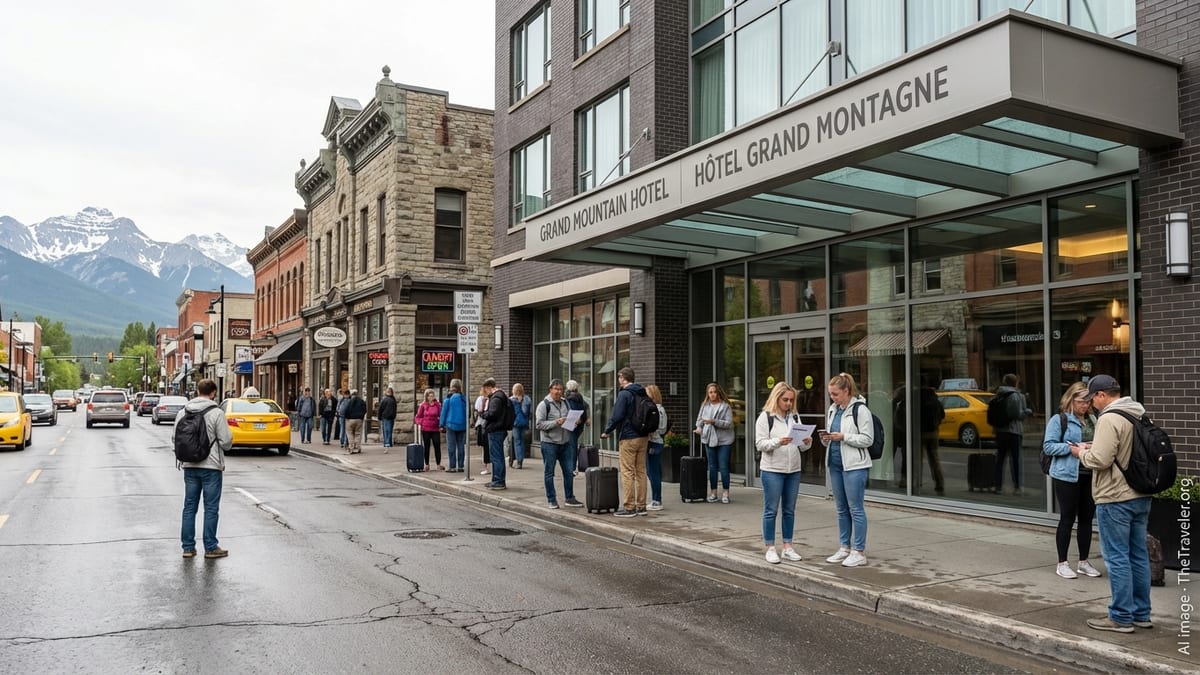
Alberta’s New Law Targets Hidden Hotel Fees
Alberta’s proposed Traveller Protection and Destination Development Act, introduced on February 25, 2026, would require hotels and tourism operators to disclose all mandatory fees at the time of booking, rather than revealing them only at checkout. The bill aims to rein in so-called junk fees and clarify how voluntary destination marketing charges are collected and used.
Under the legislation, mandatory fees tied to overnight stays or packaged tourism experiences would need to be clearly shown upfront alongside the base rate. The goal is to prevent travellers from being surprised by extra charges on their final bill, a practice that has drawn growing criticism from consumer advocates and regulators worldwide.
The act would also create a provincewide framework for voluntary destination marketing fees, which many hotels and operators charge to support local tourism promotion. These funds would have to be managed by designated destination marketing organizations and overseen by third parties to ensure they are reinvested in the communities where they are collected, rather than retained as profit.
If passed, the legislation is expected to come into full force on January 1, 2027, after a transition period for businesses to adjust billing systems and governance structures. Alberta’s government has framed the changes as central to its plan to grow visitor spending while maintaining trust in the province’s tourism sector.
How Alberta Fits Into a Canada-Wide Crackdown on Drip Pricing
Alberta’s move builds on national reforms and aligns the province with others such as British Columbia, Ontario, Nova Scotia, New Brunswick and Saskatchewan, which have been tightening rules around hotel pricing, tourism levies and consumer transparency. In 2024, Ottawa amended the Competition Act through Bill C-59 to formally ban drip pricing, the practice of advertising a low rate and adding mandatory fees only late in the booking process.
Under the revised federal rules, any advertised price for accommodations must include all mandatory fees except government-imposed taxes such as the federal Goods and Services Tax or provincial sales and hotel taxes. For hotels and short-term rentals, that means resort, facility, destination or service fees must be rolled into the upfront price that consumers see before they click to book.
Provinces have layered their own measures on top of this federal standard. British Columbia applies a combination of sales tax and municipal or regional hotel levies, while Ontario, Nova Scotia and New Brunswick use harmonized sales taxes alongside local accommodation fees and destination marketing charges. Saskatchewan and others have similar structures, prompting cities and resort areas to refine how they present and justify add-on fees to guests.
Industry analysts say Alberta’s bill sends a signal that the province intends not only to comply with federal rules, but to codify clear expectations for how destination marketing funds are governed. For travellers comparing prices across provinces, the emerging trend is toward more all-in pricing at the search stage, at least for mandatory charges, even as tax rates and local levies continue to vary from one city or resort area to another.
UNESCO Sites at the Heart of Canada’s Tourism Strategy
Alongside hotel fee transparency, governments are stepping up investment and regulation around UNESCO World Heritage sites that serve as flagship draws for visitors. Canada is channelling new funding into infrastructure and conservation projects at iconic locations, positioning them as anchors of both domestic and international tourism.
In Ontario, the federal government recently committed tens of millions of dollars to conserve and upgrade infrastructure along the Rideau Canal National Historic Site, a UNESCO-listed waterway connecting Ottawa and Kingston. The program targets historic masonry locks, bridges and weirs, with a focus on visitor safety, heritage conservation and reliable access for boaters and land-based tourists.
Across the country, UNESCO-designated landscapes such as the Canadian Rocky Mountain Parks in Alberta and British Columbia, Gros Morne National Park in Newfoundland and Labrador, and the Historic District of Old Québec are seeing renewed emphasis on balancing access with preservation. That includes stricter guidelines on commercial activity, traffic management and environmental impact, as well as updated interpretive programs highlighting Indigenous and local histories.
Officials at both federal and provincial levels increasingly present UNESCO sites as long-term assets that require careful stewardship rather than short-term exploitation. For travellers, this can translate into seasonal capacity limits, rerouted trails or temporary closures for restoration work, alongside improved facilities and more curated visitor experiences.
What Tourists Need to Watch for When Booking Hotels
For visitors planning trips to Alberta and other Canadian provinces, the most immediate change is in how hotel and short-term rental prices should appear during online searches and on booking platforms. Travellers can expect advertised nightly rates to include any mandatory non-tax fees, such as resort or destination charges, with only government taxes itemized separately at checkout.
In practice, that means a hotel listing a room at a certain price should not later add compulsory facility or service fees that were not clearly shown from the outset. Optional extras like parking, pet charges or elective environmental contributions may still appear as separate line items, but they must be genuinely optional and clearly labelled as such.
Visitors should still read booking details carefully, paying attention to whether destination marketing fees or local accommodation taxes are rolled into the base rate or shown as additional percentages. Cities such as Vancouver, Toronto, Halifax and Calgary may combine sales taxes with municipal or regional tourism levies, which can push total tax and fee burdens into the mid-to-high teens as a percentage of the room price.
Because regulations are being phased in and enforced at multiple levels, travellers might encounter some inconsistency in how prices are displayed, especially through third-party booking sites. Consumer agencies advise taking screenshots of quoted prices and confirmation pages, and contacting the accommodation directly if the final bill does not match the all-in rate presented at the time of booking.
Planning Visits to Protected Heritage Sites Across Provinces
Tourists heading to Canada’s UNESCO World Heritage sites should also prepare for a more managed experience as conservation projects and protection standards intensify. At heritage canals, mountain parks and historic districts, authorities are scheduling multi-year works that may temporarily affect access to certain paths, viewpoints or structures.
On the Rideau Canal, infrastructure renewal can lead to periodic navigation restrictions or detours for cyclists and pedestrians while historic locks or bridges are repaired. In national parks in the Rocky Mountains, rising visitation has prompted limits on vehicle access in sensitive valleys, expanded shuttle systems and tighter rules around wildlife viewing and backcountry camping.
Many of these measures are designed to preserve what makes these places worth visiting in the first place, while sustaining local economies built around guided tours, hospitality and outdoor recreation. Visitors are increasingly asked to book timed-entry passes, use designated parking and follow marked routes, particularly during peak summer and holiday seasons.
For travellers, the combined effect of new hotel fee rules and evolving heritage protections is a more predictable, if sometimes more structured, tourism environment. Clearer pricing reduces the likelihood of unpleasant surprises at checkout, while stricter management of UNESCO sites aims to ensure that Canada’s most celebrated cultural and natural landmarks remain intact for future generations of visitors.