

More news on this day
Passengers departing Savannah Hilton Head International Airport recently experienced an unusual delay when an alligator ambled across pavement near a Delta aircraft, pausing departure while airport crews waited for the reptile to clear the area.
Get the latest news straight to your inbox!
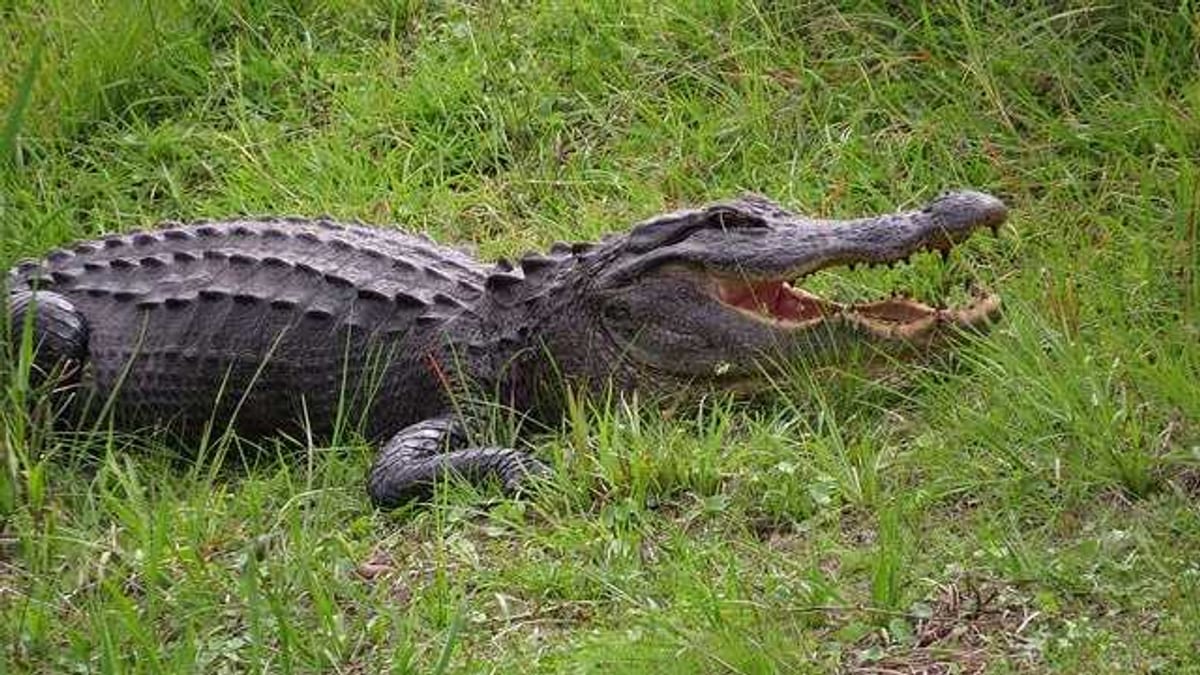
Image by wjcl.com
Brief Wildlife Encounter Halts Departure
According to published coverage of the incident, a Delta flight preparing for departure from Savannah Hilton Head International Airport was held in place after an alligator was spotted near the aircraft’s taxi route. Ground movement was paused while the animal remained close to the paved surface used by aircraft, leading to a short delay for passengers already on board.
Reports indicate the interruption was relatively brief, lasting only long enough for the reptile to move away from the active area. Flight status information reviewed after the event shows the aircraft ultimately departed later than scheduled but completed its route without further complications.
Publicly available information suggests there were no emergency procedures required, as the situation was treated primarily as a safety and wildlife management issue. The incident nevertheless added an unexpected twist to the travel day for those on the affected flight.
Airport Located Near Prime Alligator Habitat
Savannah Hilton Head International Airport sits in a coastal Georgia environment characterized by wetlands, drainage ponds and wooded areas that provide suitable habitat for alligators and other wildlife. Aviation and travel industry references note that southeastern airports built near marshes or retention ponds can experience occasional animal activity near runways and taxiways.
Alligators are common in the region’s waterways, and sightings in developed areas generally increase in warmer months when reptiles are more active. Wildlife experts frequently point out that bodies of standing water created for stormwater management or noise buffers around airports can attract birds, turtles and alligators, especially in low-lying coastal zones.
In this case, reports indicate the alligator appeared to be moving at a typical slow pace rather than displaying aggressive behavior. The delay resulted from the need to keep aircraft and ground crews separated from the animal until it had moved a safe distance away.
Standard Safety Precautions for Wildlife Near Runways
Airports across the United States operate under wildlife hazard management plans that address everything from birds to large mammals. Publicly available planning documents for Savannah Hilton Head International Airport describe procedures designed to reduce the risk of wildlife strikes and runway incursions, including monitoring of airfield perimeters and coordination with wildlife specialists when necessary.
In practical terms, an alligator sighting near an active movement area can prompt temporary stops to departures or arrivals while personnel assess the situation. Holding a flight on the taxiway or at the gate for several minutes is considered a standard precaution when animals are present near aircraft paths.
Published aviation safety analyses emphasize that slowing or pausing ground traffic is far preferable to attempting to move a large reptile in close proximity to jet engines and ground equipment. In the Savannah incident, reports indicate that the most effective solution was simply to wait until the alligator had cleared the area on its own.
Passengers React to a Distinctly Local Delay
Accounts from travelers on social media and in follow-up coverage describe the delay with a mix of humor and surprise. Some passengers reportedly shared photos from their windows, capturing the reptile’s leisurely progress near the pavement as they waited for clearance to depart.
While mechanical issues, weather and air traffic congestion are familiar causes of flight delays, wildlife encounters such as this one tend to stand out for travelers. The combination of a major airline, a modern regional airport and a wild alligator produced a scene that many passengers characterized as uniquely coastal Georgia.
Despite the disruption, publicly available information indicates that the delay remained brief in the context of typical airline operations. Once the alligator had moved away and ground crews confirmed the area was clear, the Delta flight continued its journey and arrived at its destination later than planned but without further incident.
Wildlife Encounters Highlight Regional Travel Realities
The alligator-related delay at Savannah Hilton Head International Airport underscores the intersection of modern air travel with the natural environment in the southeastern United States. Airports in Georgia, South Carolina and Florida routinely balance operational efficiency with wildlife management, particularly during warmer seasons when animal activity is heightened.
Travel industry observers note that such episodes, while uncommon, serve as reminders that airports are often built on land that once formed part of a broader ecosystem. Retention ponds, grassy buffers and drainage channels remain attractive to native species even as aircraft traffic grows.
For passengers, the encounter offered an unplanned glimpse of local wildlife that briefly overshadowed typical concerns about departure times and connections. For airport managers and airlines, it provided another example of why wildlife monitoring and clear safety protocols remain essential parts of daily operations in coastal aviation hubs.