

More news on this day
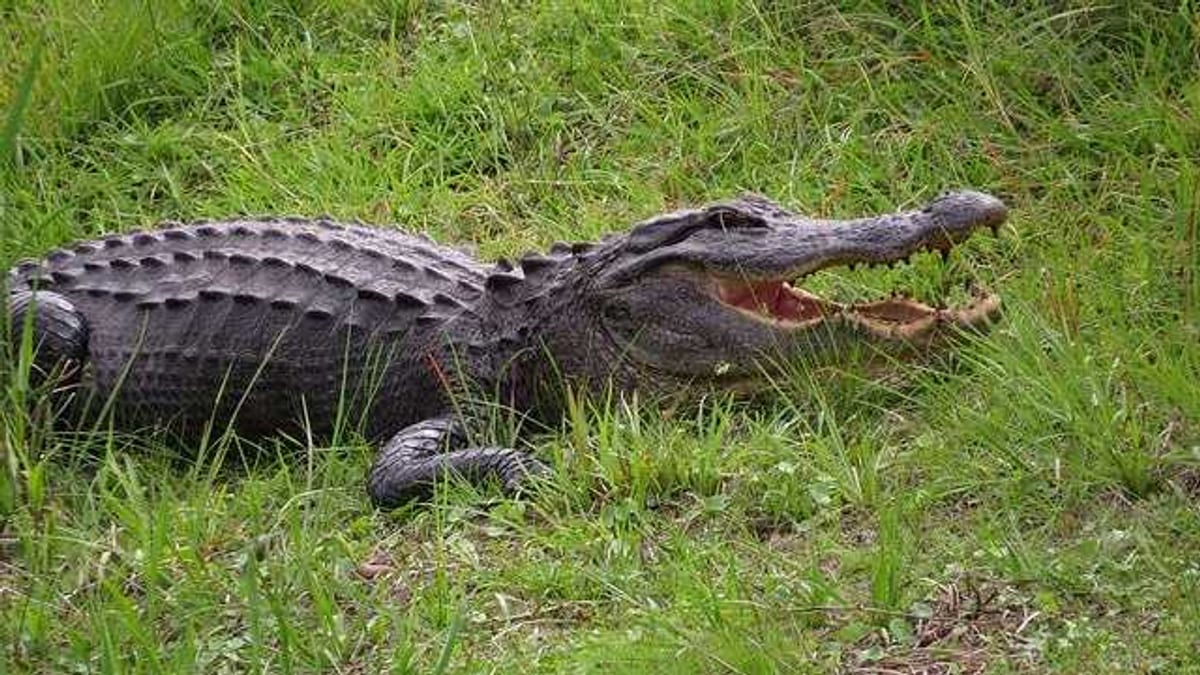
Travelers departing Savannah-Hilton Head International Airport in Georgia recently experienced an unusual delay when a Delta Air Lines flight paused its takeoff after the crew spotted an alligator near the runway, an encounter later shared through publicly available air traffic control audio.
Get the latest news straight to your inbox!
Unusual Wildlife Sighting Halts Takeoff Roll
According to regional broadcast coverage and aviation reports, the incident unfolded around 6 p.m. on March 20 as the Delta flight prepared to depart Savannah-Hilton Head International Airport. While taxiing toward departure, the flight crew noticed an alligator close enough to the active runway area that the takeoff could not safely proceed.
Publicly circulated air traffic control audio indicates that the pilot radioed the control tower to describe the animal and its position relative to the runway. The exchange reflects a calm, matter-of-fact tone as the crew relayed that a medium-sized alligator was situated near the pavement and appeared to be lingering in place.
Reports indicate that controllers temporarily held the flight while ground personnel were notified. The aircraft remained on the ground as the situation was assessed and the reptile’s movements were monitored from the tower and from the airfield.
Available accounts describe the delay as brief, with no disruption to the aircraft beyond the short pause required to ensure that the runway environment was clear of wildlife before takeoff could continue.
Air Traffic Control Audio Captures Calm Response
The incident drew wider attention after local television coverage shared excerpts of the air traffic control audio. In the recording, the pilot can be heard advising that an alligator of roughly six feet in length was near the runway, prompting clarifying questions from the tower before the controllers arranged a response.
The tone of the exchange reflects the professional cadence common to routine radio traffic between pilots and controllers, even in unexpected situations. Listeners to the publicly circulated clip can hear the crew calmly updating the tower as the animal’s behavior changed, including when the alligator stopped moving and remained on the edge of the movement area.
Aviation enthusiasts and travelers have highlighted the audio on social platforms, noting how the brief disruption was handled with the same standardized phraseology used for more typical runway hazards such as debris or birds. The recording offers an unusually clear glimpse of how wildlife encounters are incorporated into everyday airfield decision-making.
For passengers on board, the delay reportedly added only a short hold before departure. Publicly available information indicates there were no injuries, and the flight continued on its planned route once the runway area was confirmed to be safe.
Wildlife Management a Routine Part of Airport Operations
While an alligator near a runway is memorable for travelers, airport wildlife encounters are a familiar consideration for airport operators across the Southeast. Published information from aviation and wildlife agencies notes that coastal regions of Georgia and neighboring states support healthy populations of alligators that become more active as temperatures rise in late winter and early spring.
Airports in such environments typically implement wildlife management programs that may include fencing, habitat control, and regular inspections of drainage ditches, ponds, and grassy areas on or near the airfield. The aim is to reduce the likelihood that animals will wander onto taxiways or runways where they could pose risks to aircraft during takeoff and landing.
Reports related to the Savannah incident indicate that airport crews responded promptly to relocate the animal outside the airfield perimeter. Operations resumed shortly afterward, with air traffic returning to normal once the ground team confirmed that the alligator was no longer in the vicinity of active pavement.
Industry data show that most such events result in short delays rather than significant schedule disruptions. However, even brief wildlife holds can attract attention when audio or video is shared publicly, especially when the animal involved is a large reptile instead of more commonly reported birds or small mammals.
Travelers React to Another Unusual Cause of Delay
The episode has circulated alongside other recent accounts of animal-related interruptions at U.S. airports, contributing to a growing catalog of viral travel anecdotes. Social media posts and commentary from travel-focused outlets have highlighted the Savannah delay as a reminder that, in some parts of the country, local wildlife can occasionally intersect with modern aviation.
Passengers already accustomed to delays tied to weather, congestion, or air traffic flow restrictions have reacted with a mix of amusement and resignation to the notion of waiting for an alligator to move along before departure. Some travel commentary notes that, compared with extended disruptions, a short hold due to wildlife is likely to be remembered more for its novelty than its inconvenience.
Publicly available flight-tracking and schedule information does not indicate any broader knock-on delays associated with the Savannah event. The alligator encounter appears to have been contained to a brief pause for the single departure, with subsequent flights operating within normal parameters once the runway was cleared.
For aviation watchers, the shared air traffic control audio has provided a real-time case study in how unexpected wildlife sightings are integrated into standard ground operations. For travelers, it has added one more unusual explanation to the long list of potential reasons a flight might leave a few minutes later than planned.