

More news on this day
Passengers on a Delta Air Lines flight departing from Savannah in coastal Georgia experienced an unusual delay when an alligator ambled near the runway, pausing takeoff while ground crews cleared the animal from the airfield.
Get the latest news straight to your inbox!
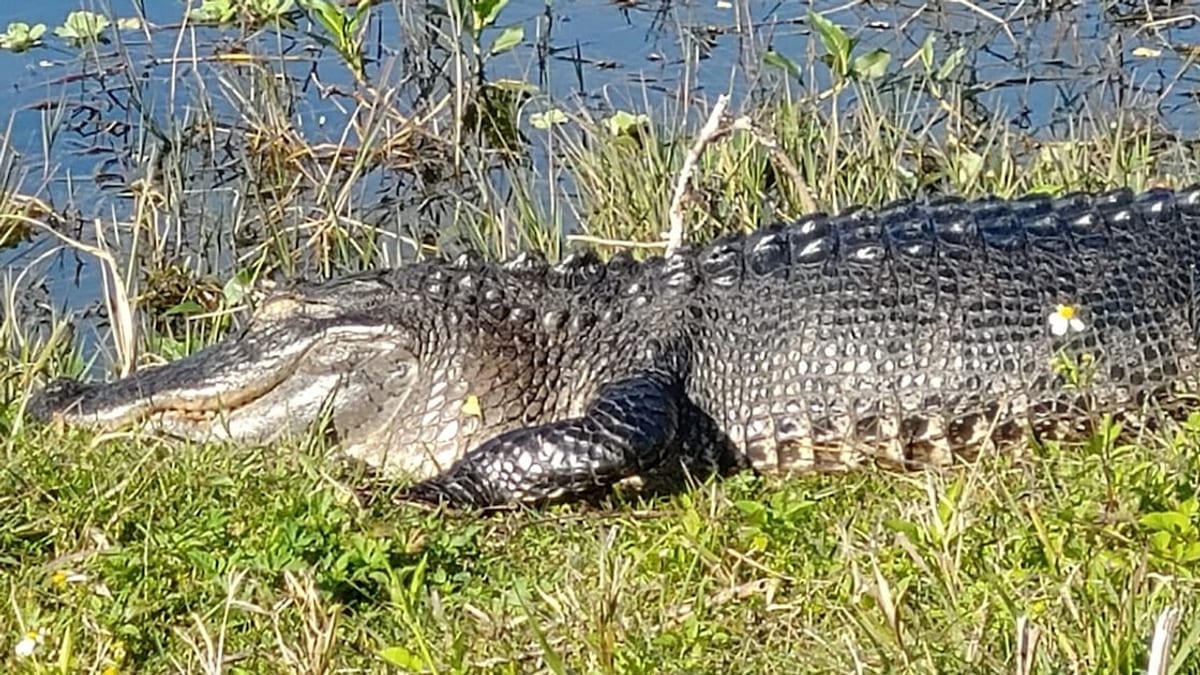
Unusual Wildlife Encounter Near Savannah Runway
Reports indicate the incident occurred at Savannah/Hilton Head International Airport in late March, when a Delta flight preparing for departure was instructed to hold position after a pilot spotted an alligator near an active taxiway and runway area. Publicly available coverage places the sighting around early evening, as aircraft movements were continuing during a routine departure window.
According to descriptions of the air traffic control recordings, the pilot calmly notified the tower of a roughly six foot alligator near the pavement. Controllers then coordinated a brief pause in movements while ground staff approached the reptile and assessed how to remove it safely.
Published accounts indicate the delay lasted only a short period while the animal remained close to the taxiway. Once airport personnel confirmed the alligator had been guided away from the operational area, clearance to continue departure was issued and the flight proceeded without further disruption.
No injuries or damage to aircraft were reported, and regular traffic at the Savannah airport resumed promptly after the brief interruption.
Wildlife And Coastal Airports: A Known Challenge
Savannah/Hilton Head International sits in a low lying coastal environment, bordered by wetlands and waterways that provide natural habitat for alligators, wading birds and other wildlife typical of coastal Georgia and South Carolina. Aviation safety guidance notes that airports in such regions regularly implement wildlife management programs to reduce risks from animals that may wander near runways and taxiways.
Publicly available information on Savannah’s operations indicates the airport has long acknowledged the presence of native species in surrounding marshlands, using a combination of habitat management, fencing and monitoring to keep wildlife away from aircraft movement areas. Encounters of this kind are typically rare, but they do occur when animals follow water channels or warm pavement onto the airfield.
Across the southeastern United States, similar episodes involving deer, birds and occasionally alligators have been documented at other airports, though most result in only brief pauses to traffic. Aviation data show that the overwhelming majority of flight delays nationwide stem from weather, congestion and air traffic control programs, with wildlife related delays making up a very small share of disruptions.
In this case, the short duration of the delay and the orderly response underscore how established protocols are designed to address wildlife issues quickly while maintaining safety standards.
Safety Protocols When Animals Reach The Airfield
When wildlife is spotted near an active runway, typical procedures call for pilots to inform air traffic controllers, who then decide whether to suspend takeoffs and landings in the affected zone. Ground crews or dedicated wildlife specialists are dispatched to verify the animal’s location and move it to a safer area away from aircraft operations.
Publicly available descriptions of the Savannah incident reflect this standard pattern. The pilot reported the alligator, the tower acknowledged the sighting, and operations paused in that segment of the airfield. Airport vehicles then approached, encouraging the animal to move and ultimately clearing it from the vicinity of the runway.
Industry guidance from regulators and airport trade groups emphasizes that these responses are intended to be conservative, prioritizing separation between wildlife and aircraft even if that means short term delays. At coastal fields like Savannah, this can mean periodic, brief disruptions whenever animals approach perimeter areas or drainage features close to taxiways.
Once staff confirm that the area is clear, controllers lift any temporary restrictions and normal traffic patterns resume. Available reporting indicates that is what took place in the Delta flight’s case, with the aircraft continuing its departure after only a modest interruption.
Passenger Experience And Social Media Reaction
While the disruption was short, the unusual reason for the delay quickly drew attention from travelers and aviation watchers. References in regional coverage and traveler commentary describe the situation as more amusing than alarming, contrasting it with the thunderstorms, ground stops and system issues that more often disrupt Delta’s operations in Georgia.
Compared with major weather systems that can delay or cancel hundreds of flights in and out of Atlanta and other southeastern hubs, the alligator encounter in Savannah was minor. Available information points to a single departure affected for a limited time, with no wider schedule ripple across the Delta network.
For passengers on board, the episode offered a reminder that airports along coastal wetlands operate in close proximity to native wildlife. While some travelers expressed surprise that an alligator could approach so near the runway, aviation observers noted that such sightings, though infrequent, are a recognized part of managing airfields situated among marshes and tidal rivers.
The incident also illustrates how quickly unusual moments can spread beyond the airport. Once reports mentioned an alligator on or near the runway, the story circulated through local and national outlets as a light travel headline at a time when flight delay news is more often dominated by storms, staffing issues and technology outages.
Wildlife Encounters Amid A Busy Travel Landscape
The Savannah alligator delay comes during a broader period of heightened attention on flight reliability in the United States. Georgia airports, particularly Atlanta’s main hub, have recently faced strains tied to severe weather systems, busy holiday travel windows and other operational challenges that can cause widespread delays.
Within that context, the brief pause at Savannah/Hilton Head International stands out less for its impact on the schedule and more for its distinctive cause. Travel industry observers point out that, while unusual, such wildlife related interruptions often become memorable anecdotes for passengers and crew, highlighting the intersection of modern aviation with local ecosystems.
As spring and summer travel ramp up along the Southeast coast, airports in the region are expected to continue balancing rising passenger volumes with long standing environmental realities. For Savannah and similar coastal facilities, that means maintaining wildlife management programs while remaining prepared for the occasional unexpected visitor on the edge of the runway.
For travelers, the episode serves as a reminder that even in a highly controlled aviation environment, a short delay can sometimes be prompted not by storms or staffing, but by a sun seeking alligator sharing the landscape just beyond the terminal windows.