

More news on this day
American Airlines is moving to curtail key perks for its most loyal customers who buy basic economy fares, stripping AAdvantage elite benefits such as complimentary upgrades and preferred seating from the carrier’s cheapest tickets as it continues to reshape its loyalty program and fee structure.
Get the latest news straight to your inbox!
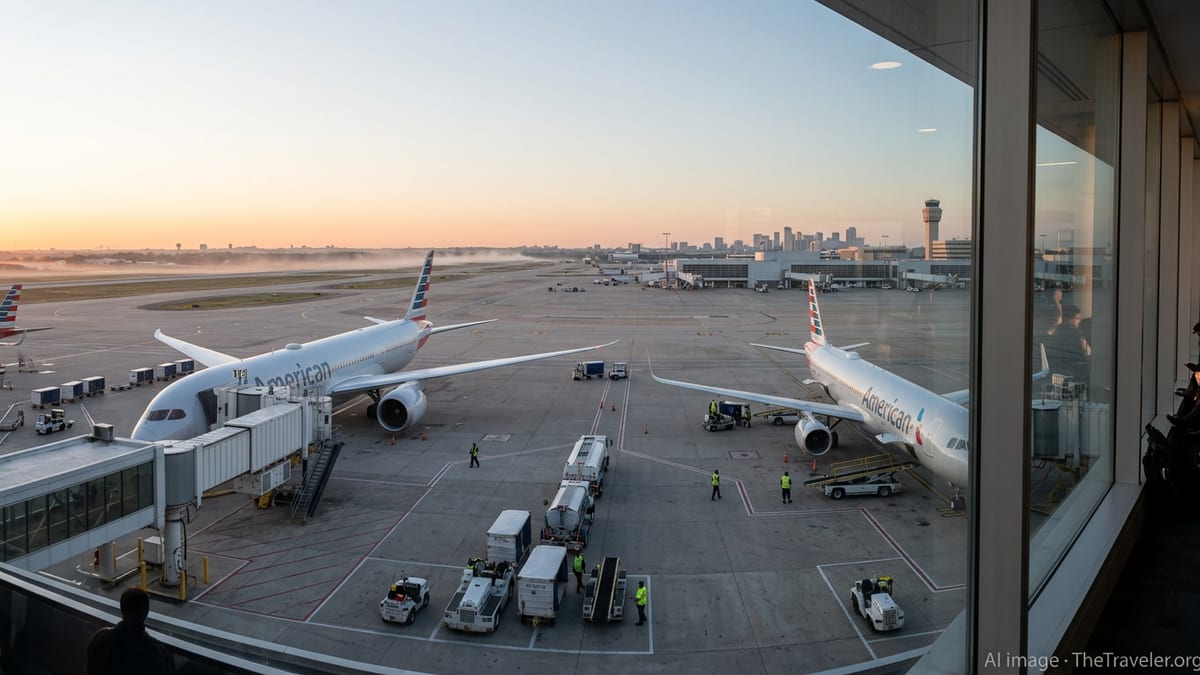
New Restrictions Take Effect in May 2026
According to publicly available program information and recent industry coverage, the latest round of changes centers on how AAdvantage status interacts with basic economy. Starting May 18, 2026, elite members who choose the lowest basic economy fares on American-operated flights in the United States will no longer receive several on-board and seating benefits that previously carried over from higher fare classes.
Reports indicate that complimentary first class and premium cabin upgrades, the use of systemwide upgrade instruments, and advance access to Main Cabin Extra and preferred seats will be removed when the underlying ticket is issued in basic economy. Elite customers booking those fares will still fly in the same Main Cabin as other economy passengers, but without many of the priority seating advantages that once distinguished their experience.
The change arrives during a period of broader adjustments to American’s pricing and ancillary revenue strategy. Coverage by aviation and travel outlets notes that the airline is aligning basic economy more closely with similar products at Delta Air Lines and United Airlines by creating a clearer divide between its most restrictive fares and standard Main Cabin tickets, even for frequent flyers.
The May overhaul follows several prior rounds of AAdvantage tweaks, making it part of an incremental tightening rather than an isolated move. Analysts following the program say this step effectively closes one of the last remaining opportunities for elite travelers to access a near-full set of perks while paying the lowest published fares.
Basic Economy Already Lost Miles and Loyalty Points
The loss of elite seat and upgrade benefits builds on earlier changes to how basic economy contributes to status. In December 2025, American updated its earning rules so that basic economy tickets bought on or after December 17, 2025 no longer generate AAdvantage miles or Loyalty Points, regardless of a traveler’s status level or co-branded credit card.
Information on the airline’s website and summarized in recent news reports shows that this policy applies broadly across American-marketed flights. For many frequent flyers, that shift removed one of the main rationales for booking basic economy in the first place, since the fares no longer help requalify for elite status or accumulate miles toward future trips.
Until that change took effect, AAdvantage elites could often justify buying basic economy on shorter or price-sensitive trips because the tickets still earned credit and, in many cases, remained eligible for complimentary or instrument-supported upgrades. With both earning and key on-board benefits now stripped from basic economy, loyalty specialists suggest the product is being pushed firmly into the “no-frills” category.
Some published commentary frames the move as part of a wider industry pattern in which the lowest branded fare is increasingly treated as a separate, highly restricted product rather than a discounted version of standard economy. For American’s elites, the combination of no earnings and fewer in-flight perks sharply reduces the strategic value of booking basic economy.
Bag Fees and Surcharges Add to the Squeeze
Alongside the loyalty changes, American has also raised checked baggage fees, with basic economy customers facing the steepest increases. Recent fare and fee updates described by travel industry outlets indicate that the airline has boosted standard domestic checked bag charges and layered on an additional surcharge specifically for basic economy fares.
Reports indicate that, once the new structure is fully in place, a first checked bag for basic economy customers on many domestic routes will cost more than the same bag for passengers booked in standard Main Cabin. The surcharge effectively widens the price gap between basic economy and higher fare classes when all travel costs are considered, especially for travelers who check luggage regularly.
Co-branded AAdvantage credit cards continue to offset some of these charges, with many cardholders retaining first-bag fee waivers that apply across eligible fare types. However, the underlying fee increases and the extra basic economy surcharge underscore how the cheapest ticket now carries more financial trade-offs than before, particularly for those without airline credit cards or status.
Industry analysts point out that baggage revenue has become an increasingly important line item for large U.S. carriers. The higher fees, combined with the removal of some elite benefits from basic economy, appear designed to nudge frequent travelers toward higher fares that provide fuller access to perks and may include more generous baggage allowances.
Impact on AAdvantage Elites and Loyalty Strategy
AAdvantage remains a central pillar of American’s commercial strategy, and the airline has emphasized that qualification thresholds and reward levels are being held steady through the 2026 membership year. Yet the experience of holding status is changing as more benefits become closely tied to fare type rather than solely to a member’s tier.
For elites who regularly booked basic economy to save on airfare while relying on status to restore comfort and flexibility, published analyses suggest that the new rules could significantly alter travel habits. Many may now opt for standard Main Cabin or higher fares to preserve access to complimentary upgrades, Main Cabin Extra seating, and full mileage earning.
Some loyalty experts note that the move could shorten the perceived distance between mid-tier and top-tier statuses if core benefits are constrained on cheaper tickets. When upgrades and preferred seats are no longer guaranteed on the lowest fares, the practical difference between status levels may hinge more on how often members are willing to pay for higher-priced tickets than on the tier printed on their digital membership card.
At the same time, American has sought to highlight other AAdvantage enhancements and promotions, such as maintaining existing Loyalty Point thresholds and offering targeted award sales, as ways to keep the program attractive. Observers say the net effect for individual travelers will depend on their mix of paid fares, card spending, and redemption habits, but the latest changes clearly reduce the upside of pairing elite status with basic economy.
Competitive Context Across U.S. Airlines
American’s tightening of elite benefits on basic economy fares places it more firmly in line with competitor practices. Travel industry coverage comparing the major U.S. carriers notes that Delta has long limited elite upgrades and premium seat access on its basic economy product, while United operates one of the most restrictive versions, including limits on carry-on baggage for many domestic basic economy itineraries.
By contrast, some ultra-low-cost carriers have occasionally honored elements of elite-style benefits across their fare types, such as bundled seat selection or bag allowances tied to their own membership tiers. Against that backdrop, American’s decision underscores how the largest full-service airlines are increasingly using basic economy to protect revenue from standard economy and premium cabins.
For travelers based in American’s hub cities, the lack of meaningful benefits on basic economy may reduce the incentive to maintain elite status purely through flying, especially if work travel is limited and much of their spending is discretionary. Analysts note that such customers could become more price-sensitive across airlines if they perceive diminishing differentiation among loyalty programs.
Still, American’s extensive network and schedule depth across the United States remain important drawcards. While the latest policy shifts make the trade-offs of basic economy more explicit, frequent flyers who value priority services, flexible seating, and upgrade opportunities are likely to face a clearer choice: pay for fares that support and unlock those benefits, or accept a more stripped-back experience at the lowest price point.