

More news on this day
An American Airlines customer’s account of being left stranded at the airport after an “involuntary” ticket cancellation, with no refund or alternative flight, is intensifying public scrutiny of how U.S. carriers handle disruptions and passenger rights.
Get the latest news straight to your inbox!
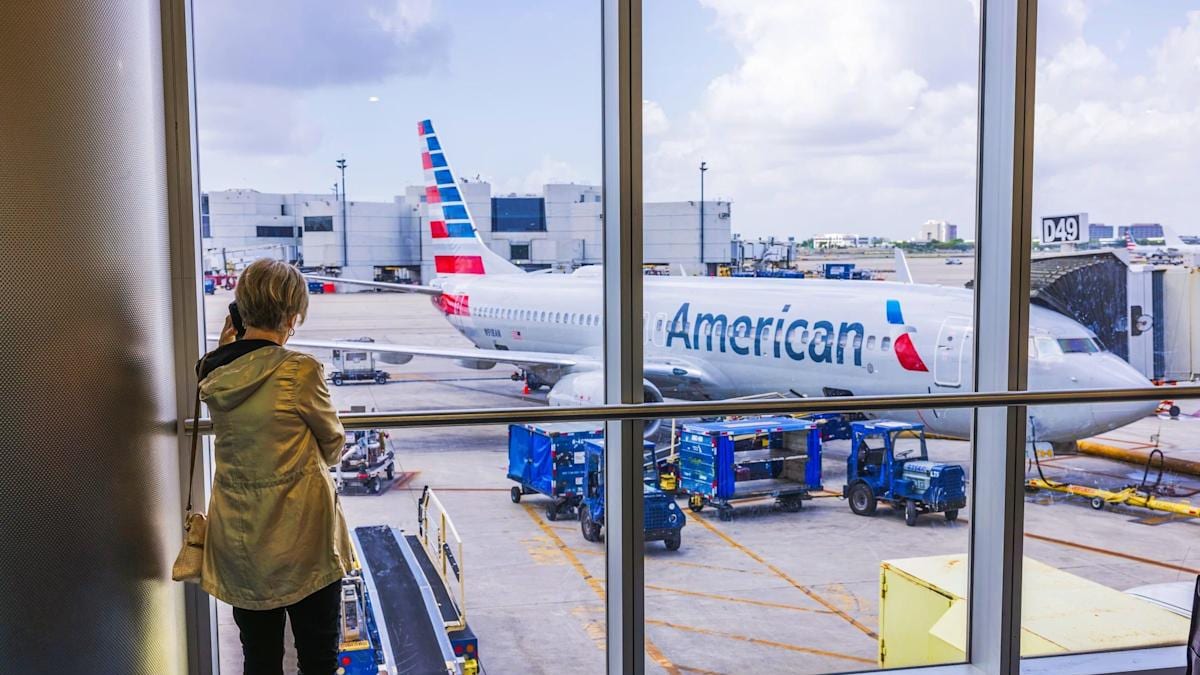
Viral Complaint Details Alleged Involuntary Cancellation
According to recent coverage of the incident, the controversy centers on a Reddit user who reported arriving at the airport only to learn that their American Airlines ticket had been canceled “involuntarily.” The traveler said they were denied boarding, received no rebooking option, and were not given a refund or usable credit for the value of the ticket.
Publicly available summaries of the post indicate that the passenger believed they held a valid, confirmed reservation and had not requested any change or refund before the disruption. The user’s description suggests that, from their perspective, the cancellation originated on the airline’s side rather than as a voluntary decision to alter travel plans.
The account quickly attracted wide attention online, tapping into a broader frustration among travelers who feel that involuntary changes, schedule shifts, and last minute disruptions have become more common, while clear communication and timely refunds remain uneven across major carriers.
While the specific details of the reservation and internal codes on the ticket have not been made public, the episode illustrates how opaque language like “involuntary cancellation” can leave passengers confused about what actually happened to their booking and what compensation, if any, they are owed.
How Involuntary Cancellations Differ From Voluntary Changes
In airline parlance, an involuntary cancellation usually means a trip is disrupted by something the passenger did not initiate, such as an overbooked flight, an aircraft swap that reduces available seats, a significant schedule change, or an operational or safety issue. Unlike a voluntary change, where a traveler chooses to cancel or modify plans, involuntary events are triggered by the carrier or external factors.
Consumer advocates and travel industry analyses note that airlines often handle these situations in one of two ways: by rebooking affected passengers on the next available flight, sometimes on a partner carrier, or by offering a refund if the traveler decides not to continue their journey. In some cases, airlines may initially steer customers toward credits or vouchers, which can create tension when passengers are seeking cash refunds instead.
Recent coverage of similar disputes involving American Airlines and other major carriers points to a recurring pattern in which passengers say they were removed from flights or had itineraries altered, then struggled to secure compensation that matched what they believed they were entitled to as involuntarily affected travelers.
Because airline systems rely on detailed internal codes to distinguish voluntary from involuntary actions, even small changes or a misapplied status can have significant downstream effects. Passengers frequently report learning only at the airport or check in that their reservation status has changed, leaving little time to negotiate alternatives.
What U.S. Rules Say About Refunds and Denied Boarding
Publicly available information from consumer guides and Department of Transportation resources indicates that U.S. rules provide specific protections when a flight is canceled or when a passenger is denied boarding against their will. If an airline cancels a flight and a traveler chooses not to travel, they are generally entitled to a refund of the unused portion of the ticket, regardless of whether the disruption stems from weather, mechanical problems, or other causes.
Separate provisions apply to involuntary denied boarding, commonly associated with overbooking. In those situations, passengers with confirmed reservations who check in and arrive at the gate on time may be eligible for cash compensation if they are bumped and arrive at their final destination significantly later than scheduled, or if they choose not to travel after being denied a seat.
However, these protections can be complicated in practice. Guidance frequently emphasizes that travelers must distinguish between a cancellation of the flight itself and a situation in which the aircraft operates but an individual reservation has been modified, flagged as a no show, or otherwise changed in the system. The language used on receipts, e tickets, and post travel summaries can make it difficult for passengers to understand which rules apply.
In the American Airlines case that has circulated this week, online discussion has largely focused on whether the traveler’s situation meets the threshold for an involuntary cancellation or denied boarding scenario that would typically trigger a refund or statutory compensation, and whether the carrier’s apparent refusal to provide a refund is consistent with those expectations.
Growing Frustration Over Post Pandemic Disruptions
The latest complaint surfaces as large U.S. airlines continue to face criticism over reliability and customer service in the years following the pandemic. Operational snarls, staffing shortages, severe weather and air traffic control constraints have all contributed to repeated waves of delays and cancellations since 2022, with each major disruption spawning new accounts of passengers stranded without clear assistance.
Recent reporting on American Airlines and its competitors shows that social media and online forums have become a central venue for travelers to share these experiences, ranging from unexpected schedule changes to extended tarmac waits and lost seats after aircraft swaps. In some cases, passengers say that their stories only draw a meaningful response after they go viral and attract wider media interest.
Industry observers note that while the largest U.S. carriers have invested in new technology, mobile rebooking tools, and customer service channels, the surge in demand and ongoing operational challenges continue to expose gaps in how consistently those systems work, particularly when disruptions affect large numbers of passengers at once.
The American Airlines incident involving the alleged involuntary cancellation taps into broader unease about whether individual travelers can rely on existing protections without having to escalate disputes through public pressure, credit card chargebacks, or formal complaints.
Advice for Travelers Facing Similar Situations
Consumer advocates and travel experts who track airline policies often encourage passengers caught in comparable circumstances to take several immediate steps. These typically include requesting written confirmation of any cancellation or denied boarding, saving boarding passes and receipts, and clarifying whether the airline is classifying the situation as voluntary or involuntary within its reservation system.
Publicly available guidance also suggests that travelers explicitly ask whether a cash refund is available when a flight is canceled or a ticket is rendered unusable through no fault of the passenger. While airlines may promote vouchers or credits as the default remedy, regulations indicate that travelers usually have the right to request their money back instead when they choose not to travel on an altered or canceled itinerary.
For those left stranded, experts frequently recommend exploring same day alternatives with the carrier, checking partner airlines for available seats, and considering whether travel insurance or credit card protections might cover additional costs such as hotels and meals. Filing a complaint with federal regulators or using formal dispute channels can be an option if an airline refuses a refund that the passenger believes is warranted.
As the American Airlines case continues to circulate online, it underscores how a single disputed cancellation or denied boarding event can shape public perception of a brand. It also highlights the importance for travelers of understanding the difference between voluntary changes and involuntary disruptions, and of documenting every step when a trip suddenly falls apart at the airport.