

More news on this day
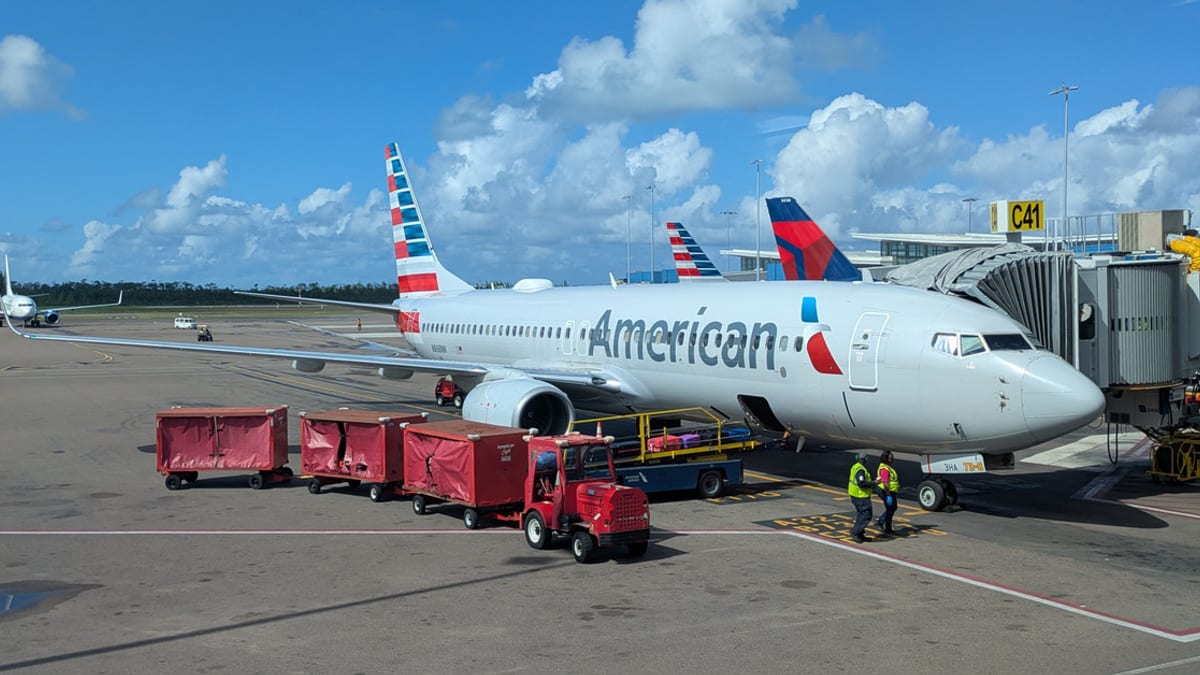
An American Airlines flight preparing for departure was grounded for more than an hour after maintenance crews uncovered an unusual condition inside one of the aircraft’s engines, prompting additional inspections and keeping passengers onboard while the jet remained parked at the gate.
Get the latest news straight to your inbox!
Ground Stop Follows Unusual Engine Inspection Result
The aircraft was scheduled to operate a domestic route within the United States when the crew called for a routine maintenance check at the gate. According to published coverage and passenger accounts shared on social media, technicians examining one of the engines identified an anomaly that was considered rare enough to justify halting the departure while they carried out further inspections.
Publicly available information indicates the aircraft remained at the gate for more than an hour as maintenance teams opened inspection panels and used flashlights and borescopes to examine internal components. Passengers reported that the jet’s doors stayed closed for much of the delay, with the cabin crew periodically updating travelers that engineers were still assessing an engine issue.
Reports suggest the crew kept the aircraft’s auxiliary power unit running to maintain lighting and air circulation, while the main engines stayed shut down. Ground vehicles surrounded the affected side of the aircraft as technicians documented the finding and consulted technical manuals before deciding how to proceed.
The flight ultimately departed later than scheduled after maintenance staff cleared the aircraft, but only after a detailed review of the engine and associated systems. No injuries were reported and there were no indications of smoke, fire, or visible damage from the terminal area.
What Made the Discovery “Rare”
While American Airlines had not published detailed technical descriptions of the event at the time of reporting, aviation specialists note that many engine issues detected at the gate involve common items such as sensor faults, minor fluid leaks, or indications that do not repeat during testing. In this case, reports described a “rare” finding, a term typically reserved for conditions that fall outside normal wear patterns or manufacturer expectations.
In jet engines, rare discoveries can include unusual debris lodged in fan blades, unexpected wear on internal components, or discrepancies in parts that were recently installed. Industry case studies show that when mechanics encounter something they have not seen before, internal procedures often require them to stop the process, contact engineering departments, and sometimes consult the engine manufacturer before the aircraft can be released back into service.
Experts point out that a lengthy gate delay following such a discovery often reflects caution rather than immediate danger. Detecting an abnormality before takeoff allows engineers the time and space to fully understand the condition, evaluate whether it could affect safety in flight, and decide whether repairs, component replacements, or additional tests are necessary.
The delay in this case, while frustrating for travelers, aligns with a safety culture in which rare or poorly understood conditions are treated conservatively. Industry analysts frequently highlight that modern airline operations are structured to favor schedule disruption over any uncertainty about the performance of critical systems like engines.
Engine Safety Culture and Maintenance Protocols
Engines on modern commercial jets are subject to extensive inspection programs, ranging from quick walk-around checks before each flight to in-depth overhauls at dedicated maintenance facilities. Airlines use detailed schedules based on flight hours and cycles, supported by sophisticated data tracking, to determine when each engine component must be inspected, repaired, or replaced.
When an unexpected condition is detected at the gate, standard procedures typically call for immediate documentation and a halt to the aircraft’s departure. Maintenance controllers, often located in centralized operations centers, are notified and work with technicians and pilots to interpret the finding. Depending on the issue, the aircraft may be cleared after corrective action, assigned further inspection at another station, or removed from service entirely for a more comprehensive evaluation.
American Airlines, like other major carriers, operates under Federal Aviation Administration regulations that define how maintenance must be performed and recorded. Publicly available safety reports show that airlines are required to log irregularities, preserve certain components for further analysis, and sometimes report significant findings to regulators or manufacturers if they could point to a recurring trend.
Analysts note that events such as the recent ground delay can contribute to a broader body of data that improves safety over time. When rare anomalies are cataloged and studied, they can lead to updated inspection intervals, revised checklists, or design changes that further reduce the likelihood of future in-flight incidents.
Passenger Experience During Extended Ground Delays
Passengers on the affected American Airlines flight described an atmosphere of uncertainty as updates filtered through the cabin. Some travelers posted that they initially expected a short pause, only to realize the delay would stretch well beyond the original departure time as the maintenance teams continued their work.
Extended delays on the ground can be challenging for passengers, particularly when they occur after boarding. Cabin crews are typically responsible for managing expectations, providing information as it becomes available, and coordinating with ground staff to offer refreshments when practical. Regulatory limits on how long passengers can remain on an aircraft during tarmac delays also shape airline decisions about whether to keep travelers onboard or return them to the terminal.
Travel experts often advise passengers to interpret mechanical delays as a positive sign of a safety-first mindset, even when the immediate impact is inconvenient. When an airline pauses a departure for an engine inspection, it indicates that onboard systems designed to detect irregularities and the people responsible for interpreting them are functioning as intended.
In this case, the flight’s eventual departure, following an extended ground check and maintenance clearance, underscores the layered approach to safety that characterizes modern commercial aviation. Travelers reached their destination later than planned, but with an aircraft that had been scrutinized more closely than usual just before takeoff.
Broader Context of Rare Engine Findings
The American Airlines incident fits into a wider history of engine-related events where early detection on the ground has prevented more serious issues in the air. Public safety databases and investigative reports describe instances in which abnormalities discovered during preflight inspections led to the identification of component defects, fuel leaks, or foreign object damage that might have escalated if left unaddressed.
In recent years, several high-profile investigations into engine events at major airlines have resulted in revised maintenance procedures and new inspection technologies, including advanced borescopes and digital monitoring tools. These developments allow carriers to spot subtle signs of trouble earlier in the component life cycle, often before flight crews or passengers notice any symptoms.
Industry observers suggest that the latest American Airlines ground delay may ultimately be cataloged as another example of this preventive approach. Even when a rare discovery turns out to pose minimal risk, documenting it helps engineers refine the boundaries of what is considered normal and informs decisions about inspection frequency and component design.
For travelers, the episode is a reminder that seemingly routine delays can reflect complex technical judgments taking place behind the scenes. The decision to hold a flight for more than an hour after discovering an unusual engine condition highlights how seriously airlines treat even rare and unexpected findings before allowing an aircraft to leave the gate.