

More news on this day
An American Airlines flight departing from New York’s John F. Kennedy International Airport was forced to make an unscheduled landing after a disruptive passenger allegedly shouted that he was going to blow up the plane, prompting a rapid security response in the air and on the ground.
Get the latest news straight to your inbox!
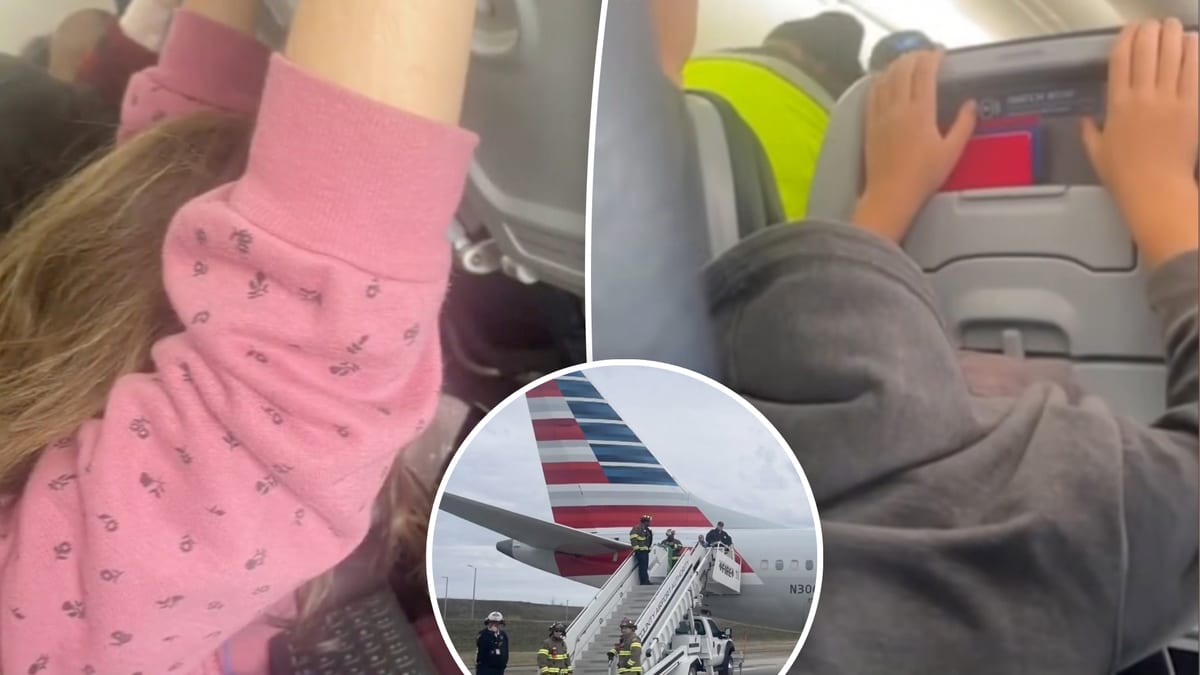
Image by Travel News – Tourism Tips, Guides & Deals | New York Post
Midair Incident Forces Sudden Change of Course
According to published coverage and eyewitness accounts shared on social media, the disturbance unfolded shortly after the aircraft departed JFK on a westbound route. Passengers reported a visibly agitated man in the cabin raising his voice, pacing the aisle and making alarming references to explosives before allegedly yelling that he was “going to blow up the plane.” Cabin crew quickly initiated in-flight security protocols as the tone inside the aircraft shifted from routine to tense.
Publicly available information indicates that the flight crew requested a priority landing at an alternate airport rather than continuing to its original destination. Aviation tracking data cited in multiple news reports shows the aircraft turning off its planned route and descending for an emergency diversion, where it was met by a heavy law enforcement and airport operations presence.
Video clips posted by fellow travelers appear to show the passenger being confronted by flight attendants and nearby travelers, with some passengers leaving their seats to assist in calming or restraining him. In cabin footage circulated online, overhead bins, dimmed lighting and muffled shouts underscore how quickly a routine journey can transform when a security threat is perceived midair.
Reports indicate the landing itself proceeded without incident, with the aircraft taxiing to a remote area of the airfield away from terminal buildings. Once stopped, travelers remained seated as airport police and federal agents approached the aircraft for an assessment of both the individual and any possible physical threat.
Onboard Response Highlights Post-9/11 Protocols
Publicly available guidance from aviation regulators and airline training materials shows that even verbal bomb threats are treated as serious security events, particularly if they occur after departure. Flight attendants are trained to notify the cockpit immediately, attempt to de-escalate the individual and coordinate with other crew members to keep passengers as calm and seated as possible.
In cases where the threat level cannot be quickly dismissed, pilots typically coordinate with air traffic control to obtain a direct route to the nearest suitable airport. Aviation data platforms monitoring the American Airlines flight recorded a relatively swift descent profile consistent with a precautionary diversion, rather than a medical or technical emergency that might require additional time for checklists and troubleshooting.
Reports also indicate that other travelers on board helped crew members separate the disruptive passenger from the main cabin area. This form of informal assistance, while not formally required, has become more common in high-profile incidents involving unruly behavior, as passengers are increasingly aware of both the risks and legal consequences associated with threatening statements on aircraft.
Security analysts interviewed in broader aviation coverage note that even hoax threats can have long-lasting repercussions. Diversions generate significant costs for airlines, delays for passengers and operational knock-on effects across already congested networks, especially at busy hubs such as JFK and major diversion airports in the region.
Law Enforcement and Airline Follow-Up
After the aircraft reached the ground, publicly available information shows that the passenger at the center of the disturbance was taken into custody for questioning. Under federal law, individuals accused of interfering with the duties of a flight crew or issuing threats that could endanger an aircraft may face criminal charges, regardless of whether any actual explosives are found.
Coverage of similar cases in recent years shows that prosecutors often rely on statutes governing interference with flight crew members, false bomb threats and the broader safety of civil aviation. Convictions in such cases have previously resulted in prison sentences, court-ordered mental health treatment and financial restitution to cover diversion-related costs.
American Airlines issued a brief written statement to news outlets acknowledging that the flight diverted due to the behavior of a single disruptive customer and that the aircraft landed safely at the alternate airport. The airline’s public comments expressed appreciation for the crew and noted that affected customers were rebooked to continue their journeys once the situation was resolved and the aircraft cleared to return to service.
Law enforcement agencies involved have not released a detailed public narrative of the passenger’s motives, and no credible explosive device has been reported in open sources. As is typical in these events, investigators are expected to review surveillance footage, passenger statements and any available digital communications to determine whether the threat was the result of intoxication, a mental health crisis, deliberate intimidation or a combination of factors.
Growing Scrutiny of Unruly Passenger Incidents
The diversion from JFK adds to a growing list of disruptive passenger incidents across U.S. airlines in recent years. Federal Aviation Administration data and media analyses indicate that, while extreme cases remain relatively rare, serious in-flight disturbances have become frequent enough to prompt a continued zero-tolerance stance from regulators.
Published coverage of other recent episodes, including emergency returns prompted by passengers attempting to reach cockpit doors or physically confronting crew members, illustrates the spectrum of behavior that can trigger diversions. In several highly publicized cases, travelers who made violent or threatening outbursts have later faced substantial fines and bans from multiple carriers.
Industry observers note that a combination of tighter cabins, heightened public anxiety, alcohol consumption and mental health challenges may help explain the persistence of such incidents. Airlines have expanded training on de-escalation techniques and coordination with law enforcement, while also encouraging crews to document and report any behavior that appears to cross the line from disruptive to dangerous.
The American Airlines case resonates particularly strongly because of the explicit reference to “blowing up” the plane, language that immediately evokes security fears even in the absence of tangible evidence. Experts in aviation risk communication say that these words can trigger rapid, non-negotiable responses from crews, given their historical association with actual plots and the minimal margin for error at cruising altitude.
What This Means for Travelers
For passengers, the incident serves as a reminder of how seriously in-flight language is treated in modern commercial aviation. Publicly available airline policies emphasize that jokes or offhand remarks about bombs, hijackings or weapons can carry the same operational consequences as explicit threats, particularly once an aircraft has left the gate.
Travel and aviation analysts point out that diversions like the one involving the American Airlines flight can lead to missed connections, overnight delays and significant inconvenience for hundreds of travelers who had no role in the disturbance. However, many experts argue that the industry’s current posture errs deliberately on the side of caution, with safety prioritized over schedule reliability when any potential threat to the aircraft is reported.
At the same time, broader discussions about passenger well-being are gaining momentum. Mental health advocates and flight crew unions have publicly urged airlines and regulators to consider both stronger deterrents against aggressively disruptive behavior and better access to support services that might help at-risk travelers before they reach the gate.
In the wake of the JFK diversion, travel professionals suggest that passengers remain attentive but calm if similar events occur. The recommended approach, according to widely circulated safety guidance, is to follow crew instructions, avoid escalating confrontations and, if necessary, provide assistance only when clearly requested or when immediate intervention is required to prevent harm.