

More news on this day
Bahamas aviation regulators have launched a major safety investigation after two near-miss incidents involving American Airlines aircraft at Family Island airports raised fresh concerns about air traffic control and oversight in one of the Caribbean’s busiest leisure markets.
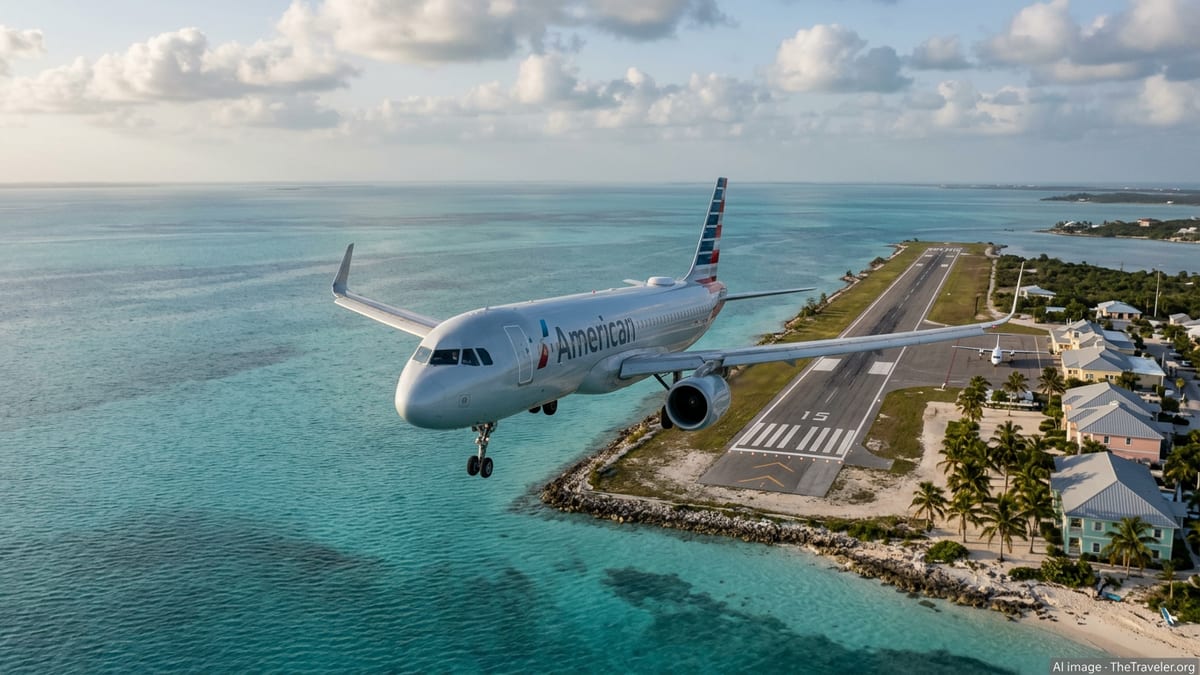
Two Close Calls Put Bahamas Skies Under Scrutiny
The Bahamas Civil Aviation Authority confirmed this week that it is conducting internal investigations into separate near-miss events involving American Airlines aircraft at out-island, or Family Island, airports in February. Officials said the probe will determine whether pilots, air traffic controllers or systemic weaknesses contributed to the close calls.
In the first incident, on February 12, an American Airlines flight on approach to Exuma International Airport reportedly had to take evasive action to avoid a departing aircraft that was still on the runway centerline. According to a report shared with United States regulators, the crew initiated a go-around to increase separation, a maneuver that averted what could have become a serious runway conflict.
A second incident, also involving an American Airlines service at a Family Island airport later in the month, is being reviewed under the same investigative umbrella. While officials have released few operational details, both episodes have been deemed significant enough to trigger formal safety notifications between Bahamian authorities and international regulators, underscoring the potential risk to commercial traffic in the region.
American Airlines, a dominant carrier on routes between Florida and the Bahamas, has not reported injuries or damage in connection with the events. However, the timing of the near-misses, during peak winter travel to the islands, has amplified attention from both passengers and industry analysts.
Regulators Promise Deep Review of Air Traffic Control Practices
The Bahamas Civil Aviation Authority has declined to share preliminary findings, arguing that early disclosure could compromise the integrity of the investigation. Instead, officials say they are conducting a line-by-line review of controller actions, communication protocols and staffing at the affected Family Island towers.
The parallel involvement of the Bahamas Aircraft Accident Investigation Authority adds additional technical expertise. The independent body, which normally evaluates crashes and serious incidents, is working alongside the regulator to reconstruct cockpit and control tower communications and compare them to established procedures for runway separation.
Industry observers note that the Bahamas has grappled with air traffic control challenges before. A widely discussed 2024 runway incident in Nassau involving another major carrier highlighted issues around controller training, fatigue and the certification status of tower personnel, leading to calls for stronger oversight and modernized technology across Bahamian airspace.
Officials now face pressure to demonstrate that lessons from those earlier episodes are being fully applied to the new cases involving American Airlines. Aviation safety advocates say the current investigation will be a critical test of whether procedural reforms and training upgrades have meaningfully reduced risk across the archipelago’s scattered airports.
American Airlines Balances Rapid Growth With Safety Assurances
For American Airlines, the investigation arrives at a moment of strong growth in its Bahamas network, with frequent services from Miami and other southeastern U.S. gateways feeding popular beach destinations such as Exuma, Eleuthera and Abaco. The carrier has promoted the islands as convenient short-haul getaways, banking on reliable, high-frequency operations.
The near-miss reports threaten to complicate that narrative. Aviation analysts say that, even when air traffic control is the primary focus of an investigation, large carriers typically face questions about how closely they monitor local operating environments and advocate for safety enhancements at partner airports.
American has indicated in past incidents elsewhere in its network that it cooperates fully with regulators, reviews crew performance and adapts internal guidance as necessary. In the Bahamas cases, the airline is expected to examine whether its standard procedures for approaches and go-arounds at shorter island runways remain sufficient when local infrastructure and staffing are under strain.
Travel advisors say early communication from the airline will be key in maintaining passenger confidence. They expect American to emphasize that modern aircraft are designed with multiple safeguards, that flight crews train extensively for aborted landings and that the go-around maneuvers reported in the February events are standard safety tools rather than signs of imminent catastrophe.
What the Investigation Means for Travelers Heading to the Bahamas
For travelers with upcoming trips to the Bahamas, the unfolding investigation raises understandable questions but is unlikely to lead to widespread disruption in the short term. Flights are operating on schedule across the islands, and there have been no official advisories warning against travel on American Airlines or through specific Bahamian airports.
Aviation experts stress that near-miss reports, while alarming on the surface, often reflect the safety net working as intended. The fact that crews were able to break off approaches and avoid conflicts, they say, is evidence that established procedures and pilot training helped prevent more serious outcomes.
However, the incidents do highlight the complexity of operations at small island airports that handle a mix of large jets, regional aircraft and private planes, often in rapidly changing weather conditions. Travelers may notice a heightened focus on spacing between arrivals and departures, or slightly longer taxi and holding times as controllers and crews take a more conservative approach while the investigation unfolds.
Tourism officials, conscious of the Bahamas’ reputation as a safe and accessible getaway, are coordinating closely with aviation authorities to reassure visitors. They emphasize that the islands remain committed to meeting international safety standards and that any recommendations emerging from the current probe will be implemented across the broader airport network, not only at the fields directly involved.
Broader Push to Modernize Bahamas Aviation Safety Systems
The latest near-miss incidents are feeding into a broader conversation about the modernization of the Bahamas’ aviation infrastructure. Over the past decade, authorities have been gradually upgrading radar coverage, communications equipment and runway lighting at key airports, but industry groups say the pace needs to accelerate to match the growth in traffic from U.S. and regional carriers.
One area expected to receive renewed focus is controller training and staffing at smaller airports that see seasonal surges in traffic. Safety advocates argue that these fields should not be treated as peripheral outposts but as critical nodes in an international network that ferries millions of visitors each year between North America and the Caribbean.
The investigation into American Airlines’ near-misses could also prompt a fresh look at how information about incidents is shared among regulators in the Bahamas, the United States and beyond. Stronger data sharing and joint training programs, experts say, would help ensure that lessons from close calls in places like Exuma are quickly incorporated into best practices across the region.
For now, the message from Bahamian authorities is one of measured reassurance. While they acknowledge the seriousness of the February events, officials insist that the skies above the islands remain safe and that every step is being taken to understand what went wrong, correct any deficiencies and maintain the confidence of the millions of travelers who depend on these routes each year.