

More news on this day
An American Airlines service bound for Aspen, Colorado, diverted to Grand Junction after operational disruption, and passengers were reportedly offered compensation of up to $4,000 each as the carrier sought to recover the schedule and move travelers to their final destination.
Get the latest news straight to your inbox!
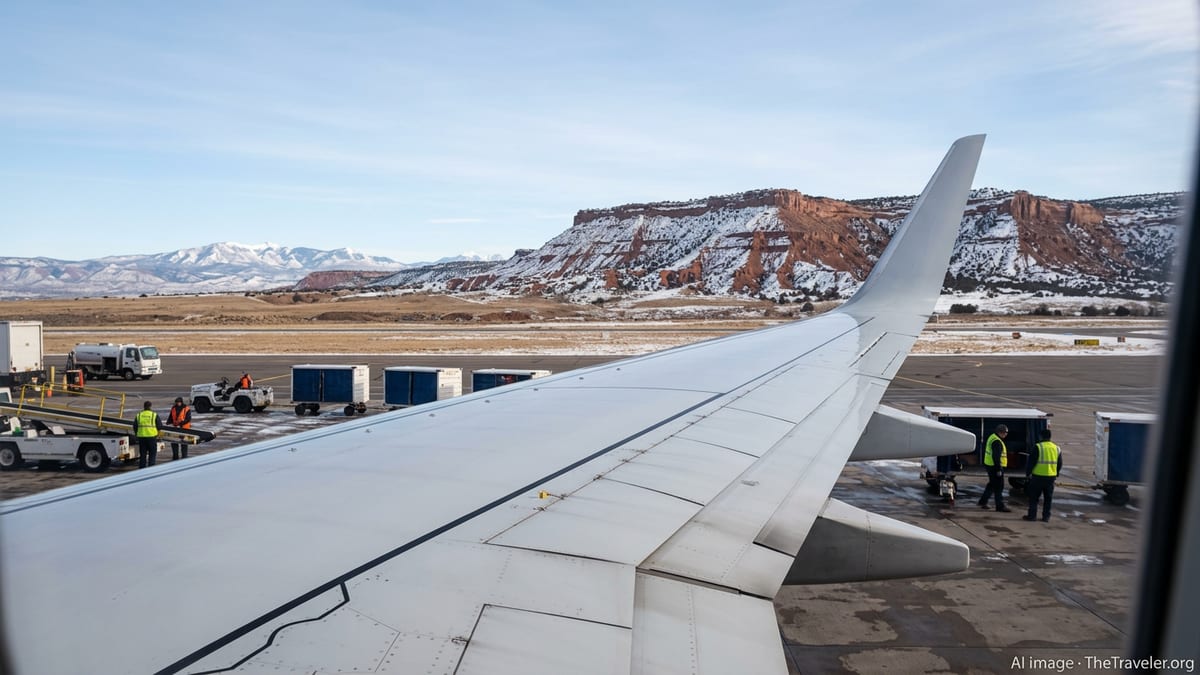
Unexpected Diversion on Aspen Route
The flight, which was scheduled to operate to Aspen’s small mountain airport, diverted to Grand Junction following conditions that prevented a safe arrival into Aspen, according to published coverage of the incident. The change of destination added hours to travel times for many passengers who had planned tightly timed resort arrivals and onward ground connections.
Reports indicate that the diversion resulted in passengers being transported by ground from Grand Junction to Aspen, with some facing late-night or next-day arrivals. The mountain corridor between the two cities can involve challenging winter driving conditions, further compounding frustration for those already delayed.
Publicly available flight-tracking data and local coverage show that diversions on routes into Aspen are not uncommon during periods of poor visibility, strong winds, or runway performance constraints. The airport’s altitude and terrain can require more conservative operating thresholds, meaning flights may be rerouted even when conditions elsewhere in Colorado remain manageable.
Travelers on this affected American Airlines flight described a protracted day of travel, including time spent waiting for decisions on whether the aircraft could attempt another arrival or would be sent to an alternate airport. Once the diversion to Grand Junction was confirmed, rebooking and onward transport logistics became the primary concern for many onboard.
Compensation Offers Reported Up to $4,000
In the aftermath of the diversion, multiple accounts shared online state that American Airlines offered compensation that in some cases reached up to $4,000 per passenger. Based on these reports, the offers were framed as travel credits rather than immediate cash refunds, aligning with common practice among large U.S. carriers during irregular operations.
According to publicly available information on U.S. Department of Transportation rules, airlines are not generally required to provide cash compensation for weather or safety-related disruptions, but they often use credits and vouchers as goodwill gestures in severe cases. The reported $4,000 ceiling stands out as a relatively high figure for a domestic rerouting, underscoring how disruptive the incident became for those on board.
Travel forums and social media posts discussing the flight describe a range of outcomes, with some passengers accepting high-value credits while others focused on having out-of-pocket expenses reimbursed. These could include hotel stays, meals, and last-minute changes to ground transportation in Colorado’s ski country.
Consumer advocates frequently note that the actual value of airline compensation depends not only on the headline amount, but also on restrictions such as expiration dates, blackout periods, and whether credits are transferable. Passengers from the Aspen diversion have been reviewing the terms to determine how and when they can realistically use the offers.
Mountain Airport Operations and Diversion Risks
The episode has renewed attention on the particular challenges of flying into Aspen and other high-altitude, terrain-constrained airports in the Rocky Mountains. Publicly available aviation guidance highlights that such airports may impose additional approach and departure procedures, stricter visibility requirements, and performance limitations that make diversions more likely than at large hub airports on the plains.
Winter and shoulder seasons can be especially unpredictable. Snow, rapidly shifting winds, and low clouds frequently affect the Aspen area, and airlines sometimes choose to divert or cancel flights rather than risk unstable approach conditions. For travelers, this can translate into last-minute changes, longer days in transit, and, in rarer cases, overnight stays far from their original destination.
Industry commentary points out that major U.S. airlines typically build diversion options like Grand Junction or Denver into their operational planning for Aspen-bound flights. When one of these backup plans is activated, the carrier must then coordinate buses, hotel rooms, and rebooking support, a process that can quickly overwhelm airport resources during busy ski weekends or holiday periods.
For visitors heading to Aspen’s resorts, the disruption can mean lost vacation time or missed connections to rental properties and activities. As a result, some experienced mountain travelers factor the risk of diversion into their itineraries, scheduling earlier arrivals, purchasing flexible accommodation options, or selecting flights routed through larger airports with more recovery options.
What Passengers Can Expect After a Diversion
Public travel guidance suggests that when a flight diverts within the United States, passengers should first look for clear information on revised routing, ground transport, and overnight arrangements. Airlines often prioritize getting travelers to their ticketed destination as soon as operationally feasible, but the specific support offered can vary depending on the reason for the disruption and the carrier’s internal policies.
In cases similar to the Aspen diversion, publicly available information shows that travelers may be eligible to request reimbursement for reasonable expenses such as hotels and meals when the disruption is within the airline’s control. When weather or safety conditions are involved, airlines tend to rely more on voluntary credits and goodwill gestures, which is broadly consistent with reports of American’s compensation offers reaching up to $4,000 on this flight.
Consumer rights resources advise keeping receipts, documenting communications with the airline, and submitting claims promptly through official customer service channels. If a high-value travel credit is offered, passengers are encouraged to review the terms in detail, including expiration dates and any limitations on routes or fare classes.
For future trips to mountain destinations like Aspen, travel experts often recommend allowing extra buffer time at the beginning of a vacation, booking accommodations with flexible cancellation policies, and considering travel insurance that may cover certain disruption-related costs. While diversions of this magnitude remain relatively rare, the recent Grand Junction incident illustrates how quickly a routine regional flight can turn into a long and complicated travel day.