

More news on this day
Bimini, long a coveted yet hard-to-reach Bahamian escape for U.S. travelers, has entered a new era of accessibility as American Airlines inaugurates the first-ever nonstop commercial route from the United States, linking Miami directly with South Bimini and reshaping the tourism landscape for the tiny island chain.
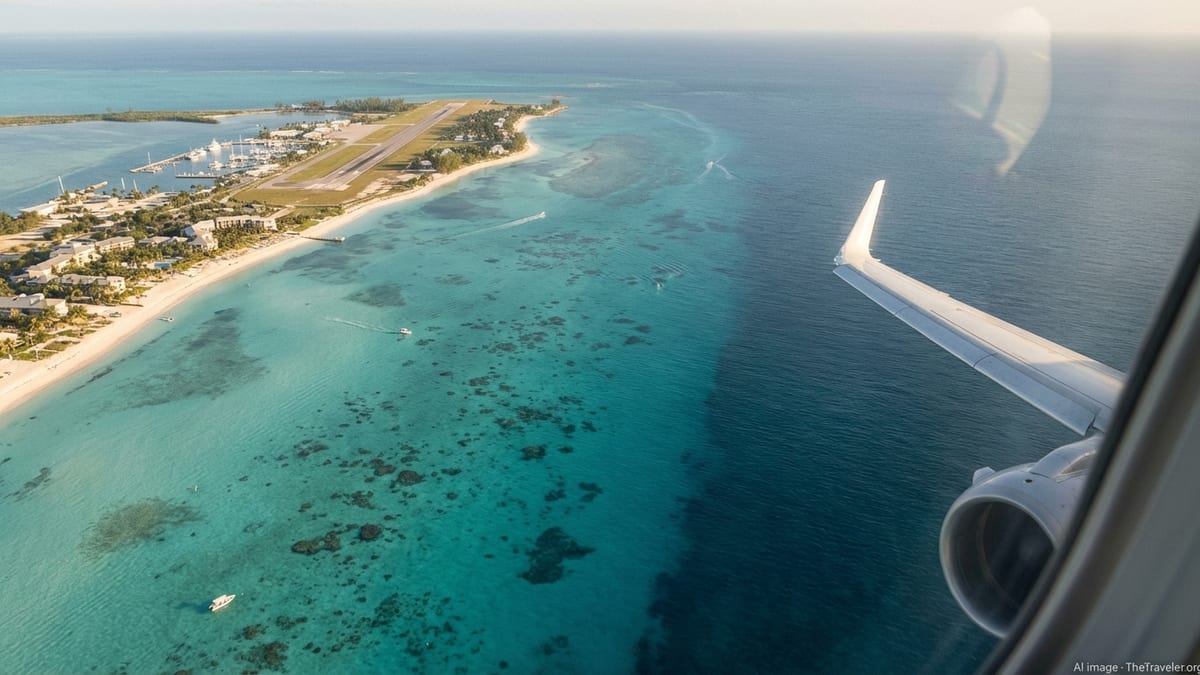
A Historic First for U.S.–Bimini Air Travel
With the launch of its new Miami to South Bimini service on February 14, 2026, American Airlines has created the first scheduled nonstop commercial air link between the U.S. mainland and Bimini. Until now, the islands were primarily the domain of boaters, private pilots, and travelers willing to connect via Nassau or charter small aircraft. The new route marks a clear aviation milestone for The Bahamas and for American, which is using its Miami hub to open a direct, high-capacity gateway to one of the country’s closest and most storied islands.
The flights operate three times per week on Mondays, Wednesdays, and Saturdays between Miami International Airport and South Bimini Airport, using 76-seat Embraer E175 regional jets configured with both premium and economy cabins. The hop covers just about 60 miles across open water and is blocked at roughly 50 to 60 minutes gate to gate, making it not only American’s shortest international route but also one of the most concise international journeys available to U.S. travelers.
For Bimini, the launch is far more than a timetable change. Local officials and tourism leaders describe it as a turning point that formally connects the island to the world’s largest aviation market on a scheduled, year-round basis, placing its beaches, marinas, and boutique resorts within an hour of a major global hub.
Transforming Access to a Once-Remote Island
Although Bimini lies less than 60 miles from South Florida, getting there has historically been anything but straightforward for most U.S. visitors. Travelers have relied on private boats, high-speed ferries out of PortMiami or Fort Lauderdale, seaplanes, or small scheduled charters that could be weather-sensitive and capacity constrained. For many potential visitors, the logistical complexity undercut the appeal of what is otherwise one of The Bahamas’ easiest-to-reach islands.
The new flights effectively collapse that barrier. By tapping into Miami’s extensive domestic and international network, American is turning Bimini into a one-stop destination from more than 80 cities across the United States and Canada, according to route announcements from the airline and The Bahamas Ministry of Tourism. A traveler from Chicago or New York can now connect through Miami and step onto Bimini’s beaches the same afternoon, without routing through Nassau or arranging a separate charter leg.
Industry analysts say this shift could be especially significant for travelers who previously considered Bimini “too complicated” compared with better-known Caribbean rivals. With a major U.S. airline placing Bimini on its route map and selling it alongside Nassau and Freeport, the island gains crucial visibility in search results and booking engines, giving it a chance to compete more directly with other warm-weather escapes for long-weekend traffic.
Why the Route Is a Milestone for American Airlines
For American Airlines, the Miami to Bimini service is more than a novelty short hop. It cements the carrier’s status as the leading U.S. airline in The Bahamas, with Bimini becoming its seventh Bahamian destination served from Miami. The new route slots into a broader expansion across the Caribbean, Mexico, and Latin America as American leans into leisure demand and fortifies Miami as its primary southern gateway.
The Bimini flight is also notable for its place in the airline’s network metrics. At roughly 64 miles in distance, it becomes American’s shortest scheduled international route and even edges out its already-brief domestic leg between Chicago and Milwaukee. Aviation watchers point out that such ultra-short international segments are relatively rare among large U.S. carriers, requiring careful scheduling to make turnarounds efficient while ensuring that customs and immigration processing remains smooth on both ends.
Operationally, the flight is operated under the American Eagle banner by Envoy Air, using Embraer 175 jets. The aircraft type has become a workhorse for short-haul premium leisure routes, offering a two-by-two seating layout, overhead bin space comparable to larger narrow-bodies, and a first-class cabin that appeals to high-spend travelers. On a sub-hour route like Miami to Bimini, the E175 allows American to balance demand with flexibility, increasing or decreasing capacity with relative ease as the market matures.
Tourism Surge Anticipated for Bimini and The Bahamas
The Bahamas is entering a period of record-breaking tourism growth, and the new nonstop link to Bimini is expected to amplify that trend. Government figures cited by tourism officials indicate that overall arrivals surged in 2025, surpassing pre-pandemic levels by a wide margin and confirming sustained appetite for Bahamian sun-and-sea escapes. In that context, plugging Bimini directly into Miami is seen as both a response to current demand and a bet on further expansion.
Local leaders say the route could help diversify tourism beyond Nassau and Grand Bahama by channeling more visitors to the Out Islands, which traditionally see lower volumes but offer some of the country’s most pristine beaches and reefs. Bimini, dubbed “The Gateway to The Bahamas” because of its position on the archipelago’s western edge, is particularly well suited to short-stay visitors who want a laid-back escape without long flight times or multiple transfers.
In public statements surrounding the launch, officials from The Bahamas Ministry of Tourism have framed the American Airlines service as a critical piece of a broader national strategy to spread tourism benefits more evenly across the islands. They expect increased hotel occupancy, higher restaurant and excursion bookings, and new jobs in hospitality, transportation, and marine services as more visitors arrive by air.
Airport Upgrades and Infrastructure Investment
Behind the scenes, a significant infrastructure push has been laying the groundwork for Bimini’s new aviation era. South Bimini International Airport is in the midst of an approximately 80 million dollar upgrade that includes a new terminal, improved runway and apron facilities, and expanded capacity designed specifically to handle more frequent commercial jet operations. Government statements describe the project as part of a wider Out Islands Renaissance initiative aimed at modernizing key outer-island gateways.
The timing of the upgrades has been closely coordinated with American’s entry into the market. Authorities have emphasized that the improved airport infrastructure will allow for smoother passenger processing, more robust safety systems, and better resilience during peak holiday periods and bad weather. For an island where tourism is the main economic engine, these enhancements are viewed as essential to long-term growth, not just a response to a single new route.
Other supporting investments are also coming into focus. Roads, utilities, and public spaces are being upgraded to accommodate higher visitor volumes, while private developers continue to refine resort and marina projects that lean heavily on reliable air access. Taken together, these changes suggest that Bimini is preparing for a multi-year period of sustained tourism development anchored in its new air connectivity.
Resorts, Experiences, and the New Bimini Visitor
Resort operators on Bimini have been among the most vocal proponents of the American Airlines service, describing it as a transformative development for the island’s visitor mix. Large-scale properties such as Resorts World Bimini, as well as smaller boutique hotels and guesthouses, can now market themselves to travelers who prefer the simplicity of a single-ticket itinerary from their home city. Travel advisors say that access via a major carrier often serves as a psychological tipping point for new destinations, converting casual interest into actual bookings.
Once on the island, visitors will find that Bimini’s appeal lies in a blend of soft adventure and barefoot luxury. The island group is known for its white-sand beaches, gin-clear waters, world-class big-game fishing, and opportunities to snorkel or dive among reefs and shipwrecks. Eco-focused tour operators offer excursions to swim near wild dolphins and explore mangroves, while cultural tours highlight Bimini’s history as a hideout for rumrunners, a retreat for writers and artists, and a longtime playground for yachters from South Florida.
Tourism partners expect the new flights to attract a more diverse mix of travelers, from long-weekend couples and friend groups to families and destination-wedding parties. The three-times-weekly schedule out of Miami is designed to support flexible three- and four-night stays, while also fitting neatly into longer island-hopping itineraries across The Bahamas for travelers who combine Bimini with Nassau or the Exumas.
Regional Competition and Strategic Positioning
American’s decision to plant its flag in Bimini is also playing out against a competitive backdrop of Caribbean expansion by U.S. and regional carriers. Over the past several seasons, airlines have raced to add new routes from East Coast and Midwest cities to a constellation of island destinations, betting on enduring demand for beach vacations even as business travel patterns evolve. Within this context, gaining first-mover advantage in Bimini allows American to differentiate its Miami hub and secure exclusive U.S. carrier status on the route.
Prior to the launch, Bimini had seen intermittent scheduled service from smaller carriers and charter operators based in Florida, but these offerings lacked the scale, loyalty integration, and marketing firepower of a major U.S. airline. Now, elite status holders and mileage collectors can fold a Bimini getaway into their existing travel patterns, redeeming or earning points while connecting through Miami just as they would for other Caribbean destinations.
Industry observers note that the route also fits American’s broader strategy of leveraging regional jets to open niche, high-yield markets that may not justify larger aircraft but still attract premium leisure and connecting traffic. If the Bimini service performs well, it could serve as a blueprint for similar micro-length international routes elsewhere in the Caribbean basin.
Balancing Growth With Sustainability and Community Needs
As with many island destinations facing rapid increases in visitor numbers, Bimini now confronts the challenge of managing growth in a way that preserves its environment and benefits local residents. Community voices and tourism officials have underscored the importance of sustainable development, calling for careful oversight of coastal construction, marine ecosystems, and cultural heritage sites as new investment flows into the island.
Environmental advocates highlight the fragility of Bimini’s reefs, mangroves, and seagrass beds, which support both marine biodiversity and the island’s famed sportfishing industry. They argue that robust regulations on boat traffic, anchoring, and coastal development must accompany any surge in arrivals if Bimini is to avoid the overcrowding and habitat degradation seen in some other tropical hotspots.
Local businesses, meanwhile, are optimistic that the new route will create jobs and entrepreneurial opportunities, from expanded tour offerings and restaurants to taxi services and small-scale accommodations. Several community leaders have emphasized the need for training and capacity-building programs that ensure Bahamians are well positioned to take advantage of tourism growth, not just watch it from the sidelines.
What Travelers Should Know Before Boarding
For would-be visitors, the new American Airlines flights remove a major hurdle, but traveling to Bimini remains an international trip that requires preparation. U.S. citizens need a valid passport, and travelers must clear Bahamian immigration and customs on arrival at South Bimini before returning through U.S. border controls in Miami, as the island does not currently offer U.S. preclearance facilities. Travel experts recommend allowing ample connection time in Miami when planning return flights onward to other U.S. cities.
Given the short distance of the route and the relatively small aircraft involved, luggage allowances, weight limits, and carry-on policies can be especially important considerations. Passengers are encouraged to check fare conditions at booking, since some introductory economy fares may not include checked baggage. Weather can also have a disproportionate impact on such a short overwater segment, so travelers should keep an eye on forecasts, particularly during the Atlantic hurricane season.
Even with those caveats, the consensus among tourism officials, airline executives, and local stakeholders is that the benefits of the new nonstop service far outweigh the logistical challenges. With a major U.S. carrier now bridging the narrow gap between Miami and Bimini, the islands stand on the cusp of a new tourism era in which one of The Bahamas’ most alluring destinations is, at last, as easy to reach as it has always looked on the map.