

More news on this day
A traveler’s claim that American Airlines involuntarily canceled a confirmed ticket, left them stranded, and then failed to issue a prompt refund is drawing fresh attention to how U.S. carriers handle disrupted itineraries and passenger rights in 2026.
Get the latest news straight to your inbox!
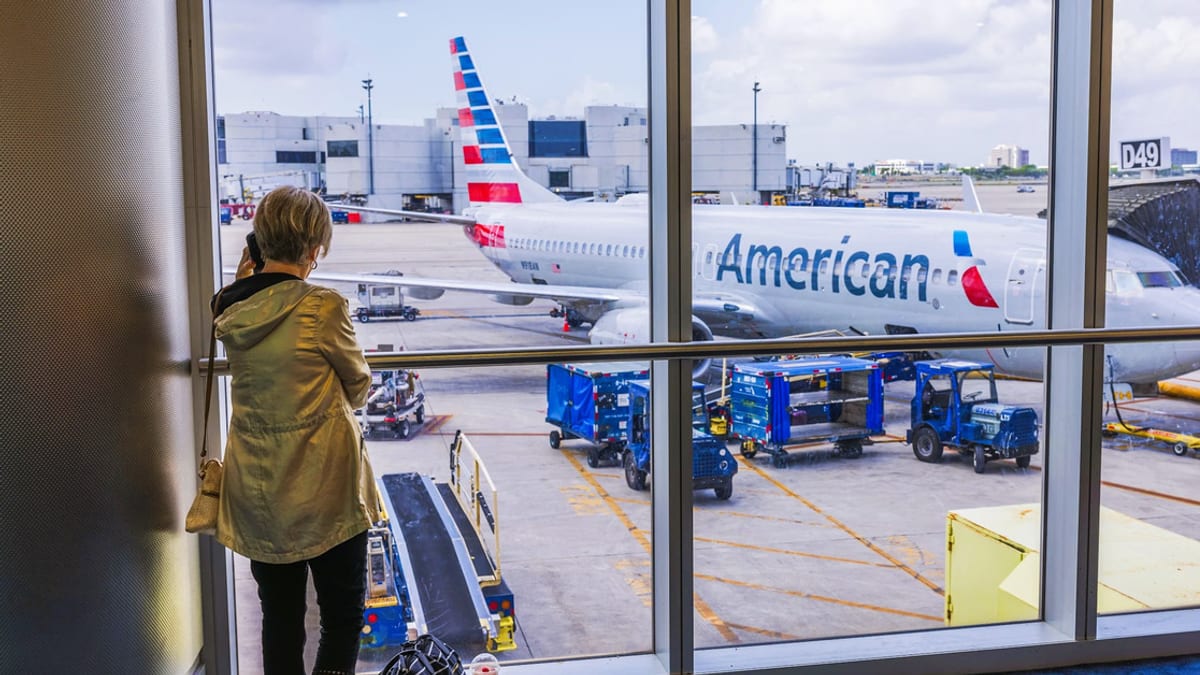
Image by thetravel.com
Passenger Says Confirmed Ticket Vanished at the Airport
According to a detailed account shared on a popular airline discussion forum in early April, a traveler arrived at the airport expecting to fly with American Airlines only to discover that their ticket had been canceled and reassigned. The passenger reported that a gate agent appeared to have given the seat to another traveler with the same last name, effectively removing the original customer from the flight despite a valid confirmation and payment.
The traveler described being denied boarding with no alternative itinerary offered on the same day. They alleged that no compensation was provided at the airport, no hotel or meal assistance was extended, and the only guidance was to check the status of a potential refund using the ticket number online at a later time. The situation, as described, left the customer stranded at the departure airport with no immediate practical path home.
The account has circulated widely among frequent flyers and consumer advocates, who point to it as an example of how a relatively simple check-in mix up or boarding error can cascade into a far more serious disruption when clear rebooking and refund processes are not followed in real time.
In similar recent cases documented by consumer advocacy sites, travelers have reported cancelled segments in the middle of international itineraries and disappearing seats after aircraft changes, sometimes learning of the problem only once they reached a connection point. These stories collectively highlight the stakes when a carrier’s internal systems change or cancel a ticket without the passenger’s clear consent.
What American Airlines’ Rules Say About Involuntary Cancellations
Publicly available versions of American Airlines’ contract of carriage state that when a flight is canceled or significantly changed by the airline, affected travelers are generally entitled to either rebooking on the next available flight with open seats or a refund of the unused portion of the ticket if they choose not to travel. The same documents outline an “involuntary refund” category, which applies when the carrier cancels a flight or makes a substantial schedule change and the customer declines the alternative offered.
These conditions suggest that if a ticket is canceled or rendered unusable for reasons within the airline’s control, and the traveler does not accept a substitute itinerary, the expectation is a refund of the remaining ticket value and applicable fees. The policies also specify that tickets are nontransferable and should not be reassigned to another person, a provision that becomes especially relevant when boarding passes or seats are mistakenly given away.
Some recent passenger guides circulating online stress the importance of having an involuntary change documented in the airline’s system. They advise travelers to ask staff to mark the record as an involuntary cancellation or involuntary denied boarding, which can make it easier to invoke the airline’s own refund rules later and to demonstrate that the disruption did not originate with the customer.
However, the practical experience described by the stranded passenger suggests a gap between written rules and on-the-ground execution. The traveler reported difficulty obtaining a direct acknowledgement that the situation would be treated as involuntary, and indicated that they received no clear timeline for when, or if, a refund would post.
How Federal Rules Frame Refunds and Denied Boarding
Under guidance from the U.S. Department of Transportation, passengers are entitled to a refund if an airline cancels a flight and the traveler chooses not to be rebooked, regardless of the reason for the cancellation. That principle applies even to nonrefundable tickets in situations where the carrier fails to operate the flight or makes a significant schedule change and the passenger declines the alternative.
In addition to cancellations, long-standing federal oversales rules address what happens when a traveler is involuntarily denied boarding because a flight is oversold. In those cases, the airline must typically compensate passengers in cash or check, with the amount linked to the price of the ticket and the length of the delay in reaching their final destination. Advocacy pieces and regulatory summaries emphasize that this compensation is separate from the right to a refund if a passenger ultimately does not travel.
Consumer-facing explainers published in early 2026 note that many airlines, including American, also advertise voluntary customer service commitments for delays and cancellations within the carrier’s control, such as offering overnight hotel accommodations or meal vouchers. These commitments are not mandated by federal law but can become binding promises once advertised, and they are frequently highlighted on airline customer service dashboards and in marketing.
The recent account of a passenger left without a refund after an apparent involuntary cancellation fits into a broader pattern described by travel rights organizations, which report that travelers sometimes receive travel credits or vouchers instead of cash, or encounter long delays before refunds are processed. These experiences can be particularly acute when disruptions occur during peak travel periods or amid broader operational challenges, making it harder to reach customer service agents.
Growing Scrutiny of Stranded Passenger Stories in 2026
Reports from consumer advocacy sites and travel rights organizations indicate a sustained rise in complaints about flight disruptions and refunds in the United States. Recent coverage highlighting winter travel chaos in 2026 noted that American Airlines experienced its highest number of weather-related cancellations in its history during one major storm period, straining both operations and customer support.
Alongside weather and air traffic disruptions, a number of independent guides and white papers published this year discuss a shifting landscape of passenger protections, including proposed and updated rules aiming to clarify when travelers are owed cash refunds rather than credits. Some analyses describe a widening gap between expectations shaped by those discussions and the actual remedies offered when disruptions occur in real time.
Social media posts and online forums now function as real-time incident logs, where passengers document what happened at gates, transfer points, and customer service desks. In the American Airlines case at the center of this latest discussion, commenters have focused on the lack of immediate rebooking options and the apparent absence of on-the-spot compensation, framing it as part of a larger problem in which travelers feel responsible for chasing down remedies after the fact.
Advocacy articles increasingly urge passengers to maintain their own paper trail when cancellations and involuntary changes occur, by saving boarding passes, screenshots of itineraries and app messages, and any written statements referencing an involuntary disruption. These materials can be important if a customer later files a complaint with the carrier or escalates the issue through credit card chargebacks or regulatory channels.
What Travelers Can Learn From the Latest Incident
While the specific American Airlines case remains an individual account, it encapsulates several key lessons about how to navigate involuntary cancellations. Travel experts and rights groups emphasize that travelers should clarify immediately at the airport whether they are being treated as voluntarily changing plans or as experiencing an involuntary disruption initiated by the airline. The latter categorization typically unlocks stronger refund and compensation rights.
Publicly available guidance suggests that stranded passengers should request written confirmation of any cancellation or denied boarding, including the reason codes used by the airline. If an alternative itinerary is unacceptable or significantly delays arrival, asking staff to process an involuntary refund rather than a travel credit can help preserve the right to receive money back to the original form of payment.
The American Airlines passenger’s experience also underscores the importance of monitoring reservations closely before departure. Several recent cases involve tickets or segments being removed from itineraries without clear notification, including during multi-leg international trips. Checking bookings on the airline’s website or app in the days and hours before travel can sometimes reveal changes early enough to allow rebooking before flights sell out.
As 2026 progresses, the tension between written policies, evolving regulation, and real-life disruptions continues to shape the flying experience. For now, the story of a traveler left stranded after an apparent involuntary cancellation at American Airlines is serving as another cautionary example for U.S. passengers, who increasingly rely on their own documentation and persistence to secure the refunds and remedies that published rules say they are owed.