

More news on this day
A traveler’s report of being left stranded and out of pocket after American Airlines “involuntarily” canceled a ticket is drawing attention to how complex airline refund rules remain for U.S. passengers in 2026.
Get the latest news straight to your inbox!
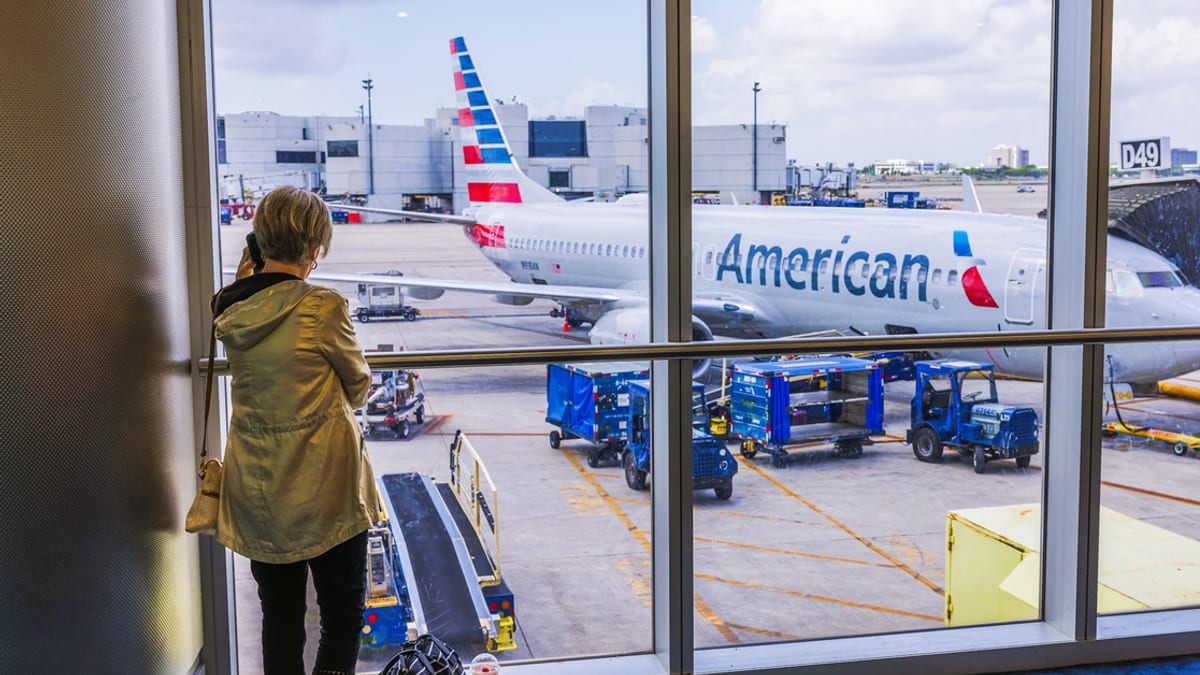
A Stranded Traveler Highlights a Growing Friction Point
Accounts shared across consumer advocacy sites and online forums in early 2026 describe a familiar scenario for many air travelers: an American Airlines customer discovers that a confirmed ticket has been canceled on the airline’s side, is unable to fly as planned, and receives no immediate refund. In one widely discussed case, the passenger arrived at the airport ready to travel only to learn that their reservation had been canceled as an “involuntary” change, leaving them stranded with no clear path to reimbursement.
Reports indicate that the traveler had not requested any changes to the itinerary and did not voluntarily accept a different flight or credit. Instead, they were told at the airport that their booking was no longer valid and that they would need to purchase a new ticket if they still wished to travel. Subsequent attempts to secure a refund were reportedly met with confusion over whether the cancellation qualified as involuntary, and whether the customer was owed cash or only a travel credit.
The case has resonated with other flyers who say they have faced similar situations in the past year, particularly during periods of operational disruption. Online discussions show repeated complaints about tickets being rebooked or canceled within airline systems, while passengers insist they never agreed to surrender their original seat or accept future travel credit instead of a refund.
While such experiences represent only a fraction of American’s overall traffic, they underscore the tension between airline policies written in legal language and passengers’ expectations when things go wrong. For stranded travelers, whether a cancellation is labeled “voluntary” or “involuntary” can determine if thousands of dollars are refunded or locked up in credits.
What American Airlines’ Rules Say About Involuntary Cancellations
American Airlines’ Conditions of Carriage, updated within the past few months, lay out the formal contract between the airline and its customers. Publicly available versions of that document explain that if American or one of its partners cancels a flight or significantly changes the schedule, the airline’s “sole obligation” is to refund the unused value of the ticket and eligible optional fees, or to assist with rebooking on another flight.
The same conditions distinguish between voluntary and involuntary scenarios. Voluntary changes are initiated by the passenger, typically leading to a travel credit when a nonrefundable ticket is canceled by the customer. Involuntary situations are initiated by the airline, such as cancellations for schedule changes, operational disruptions, or other issues outside the traveler’s control. In these cases, American’s published policy refers to “involuntary refunds” back to the original form of payment when a customer decides not to travel on an alternative flight.
However, the language also emphasizes that the airline reserves discretion in how these rules are applied, and that refund eligibility can depend on the exact circumstances of the disruption. Consumer advocacy coverage has documented multiple cases in which passengers believed they qualified for an involuntary refund, but instead received travel credits or faced prolonged disputes before any cash was returned.
For passengers, this gap between the promise of an “involuntary refund” on paper and the experience at the airport or on a customer service line is where frustrations frequently arise. In the recent stranded passenger case, online accounts suggest that the airline’s system registered changes as though the traveler had accepted a voluntary modification, even though the customer maintains they never agreed to give up their original flight.
Federal Passenger Rights: Refunds Guaranteed, Extras Optional
While airline contracts can be hard to interpret, U.S. federal rules provide a clearer baseline on cash refunds. The Department of Transportation states that when an airline cancels a flight and the passenger chooses not to travel, the traveler is entitled to a refund to the original method of payment, even on a nonrefundable ticket. That principle has been reiterated by consumer-focused coverage throughout 2024 and 2025, particularly during major weather and holiday disruptions.
At the same time, federal rules do not require airlines to provide compensation for hotels, meals, or ground transportation when passengers are stranded, even in circumstances where the disruption stems from operational decisions or equipment issues rather than weather. Instead, carriers voluntarily publish their own service commitments, which can include meal vouchers, hotel accommodations, or rebooking assistance in certain “controllable” disruptions.
The Department of Transportation has been working on additional rulemaking aimed at passengers stranded by airline-caused disruptions, building on earlier initiatives to strengthen automatic refunds and clarify consumer rights. Until new rules are finalized, however, much of the burden remains on travelers to understand when they are entitled to a refund and when they must rely on an airline’s goodwill policies.
In the American Airlines case that left a passenger stranded without a refund, the key legal question centers on whether the airline’s actions meet the definition of a cancellation or significant schedule change under federal guidance, and whether the customer clearly consented to any alternative such as future credit or voluntary rebooking.
System Glitches, Auto Rebooking and Disputed Consent
Recent years have seen an expansion of automated tools within airline reservation systems, including auto rebooking and in-app prompts that invite passengers to accept alternate flights when schedules shift. American’s own Conditions of Carriage make reference to automated “re-shopping,” where systems search for lower fares or different itineraries, sometimes with minimal human intervention.
Online reports suggest that these tools can occasionally create confusion about what passengers have actually agreed to. Travelers have described tapping through mobile prompts or contacting chat agents to inquire about options, only to find later that their original tickets were canceled and replaced with new itineraries or credits they did not intend to accept. In some accounts, customers insist they asked agents to leave bookings unchanged, yet the system still processed a cancellation that was later treated as voluntary.
In situations like the latest American Airlines incident, how the system records consent is crucial. If a traveler is marked as having voluntarily changed or canceled a ticket, airline agents may initially deny a cash refund and instead offer only credit or same-day rebooking. Reversing those decisions can require multiple follow-ups, escalation through formal complaints, or even assistance from consumer advocates.
From a broader industry perspective, the growing reliance on automation and self-service tools may be contributing to a rise in these disputes. Passengers are encouraged to manage trips through apps and websites, but when something goes wrong, it can be difficult to reconstruct exactly which prompts were accepted and whether a cancellation should be classified as voluntary or involuntary.
What Stranded American Airlines Passengers Can Do Next
For travelers who find themselves in a situation similar to the reported stranded passenger, experts often recommend assembling a clear paper trail. That can include boarding passes, screenshots of app messages, email confirmations, and any records of calls or chats that show the passenger did not initiate or agree to cancel the ticket. Documentation helps support a claim that the cancellation was truly involuntary.
Passengers who believe they were wrongly denied a refund may first use American Airlines’ internal complaint channels and online refund request forms, specifically selecting disruption or cancellation as the reason. If that fails, they can file a complaint with the Department of Transportation, which tracks patterns of refund disputes and can prompt further review of individual cases.
Consumer advocates also note that credit card chargeback protections may be an option when a service was not provided and an airline refuses to refund, though outcomes can vary based on card issuer rules and how the airline describes the transaction. Travelers are generally advised to act quickly, as card networks often impose time limits on dispute filings.
The experience of the American Airlines passenger who ended up stranded without a refund underscores how high the stakes can be when a ticket is labeled “involuntarily” canceled but treated in practice as if the customer chose not to fly. As air travel demand continues to grow and disruptions remain common, the pressure is likely to increase on airlines and regulators alike to make the boundary between voluntary and involuntary cancellations far clearer to the people most affected: the passengers at the gate.