

More news on this day
American Airlines is contending with a fresh wave of travel chaos after severe weather and FAA-ordered ground stops triggered more than a thousand combined delays and cancellations across its U.S. network, prompting broad passenger outreach and renewed scrutiny of how storms can rapidly paralyze air travel.
Get the latest news straight to your inbox!
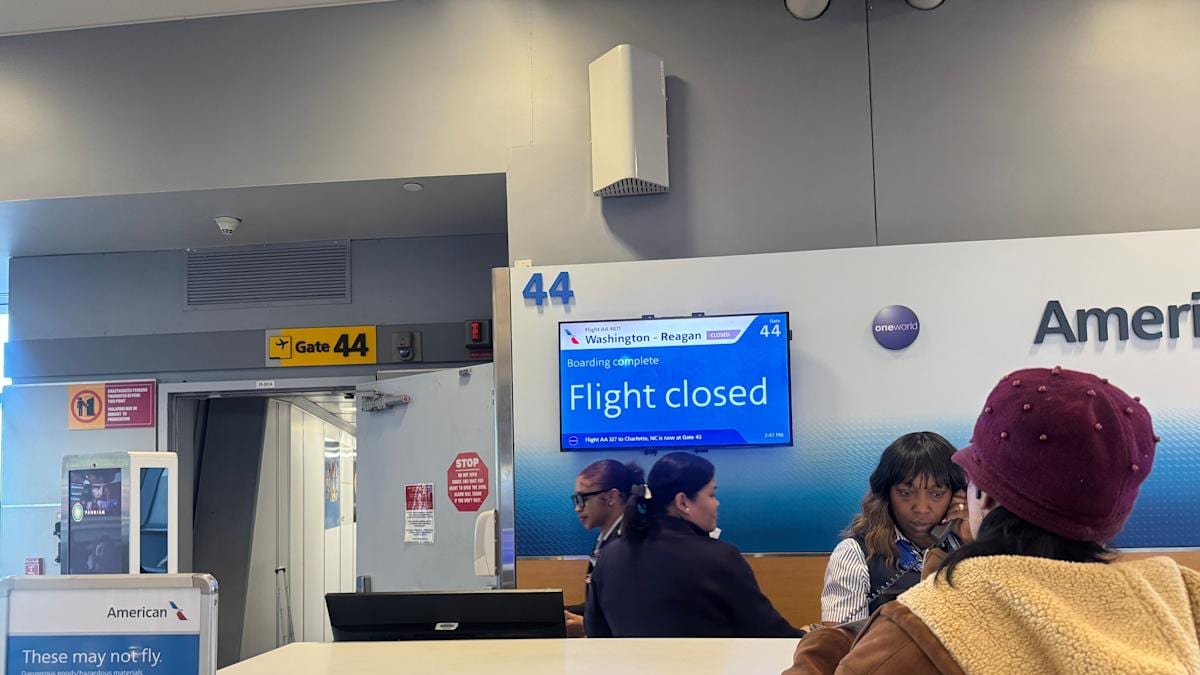
Storm Systems Trigger Chain Reaction Across Major Hubs
Persistent storm systems sweeping across key regions of the United States have created a cascading effect across the airline network, with American Airlines among the most heavily impacted carriers. Thunderstorms, high winds and low visibility around high-traffic airports have slowed takeoffs and landings, forcing the Federal Aviation Administration to impose intermittent ground stops and strict flow controls at several major hubs.
Publicly available tracking data for early April 2026 show that American has experienced four-digit operational disruptions in a single day once delays and cancellations are combined, with more than 800 delays and dozens of cancellations concentrated at large hubs such as Dallas Fort Worth, Charlotte, New York and Los Angeles. These storm-related slowdowns have been compounded by knock-on effects as aircraft and crews fall out of position, extending the disruption into subsequent waves of flights.
The FAA’s ground stop directives, applied during periods of intense storm activity, have temporarily halted departures into affected airspace, particularly around East Coast and Midwestern airports. Even when those restrictions are lifted, departure rates often remain reduced while controllers work through backlogs, delaying flights already loaded with passengers and forcing late-night cancellations for aircraft that can no longer complete scheduled turns.
Weather-related constraints have coincided with a busy spring travel period, ensuring that many flights operate near capacity. That leaves airlines with limited flexibility to accommodate displaced travelers, especially on short notice, and raises the likelihood that passengers will face same-day rebookings with long layovers or overnight stays.
American Airlines Focuses on Passenger Outreach and Rebooking
In response to the mounting disruption, American Airlines has moved to contact affected travelers through its digital platforms and airport operations. Published information indicates that the carrier is issuing travel alerts and fee waivers on select routes, encouraging passengers whose plans are flexible to shift trips away from peak disruption windows or storm-prone timeframes.
The airline’s mobile app and website are being positioned as primary tools for managing itineraries, with travelers urged to monitor flight status frequently, switch to earlier or later departures when available, and accept rebooking offers pushed directly to their devices. For those already en route, gate agents and airport customer service teams are handling same-day changes, exploring alternative routings through less congested hubs and, when necessary, arranging overnight accommodations within company guidelines.
Reports from recent disruption events suggest that American is also leaning on automated rebooking systems to preemptively move passengers when flight cancellations become likely. While such automation can reduce time spent in lines at ticket counters, it can also yield complex new itineraries that some travelers may wish to adjust manually, particularly when connections become tight or involve unfamiliar airports.
American’s outreach is taking place within a broader environment of elevated passenger frustration across U.S. carriers, as travelers contend with repeated weather disruptions, crowded terminals and limited spare capacity. The experience has underscored the importance of travelers keeping contact details updated in airline profiles and opting in to notifications so that offers for alternative flights and waivers arrive quickly when operations begin to unravel.
FAA Ground Stops Highlight Weather Vulnerability of the Air System
The FAA’s decision to use ground stops during the latest storm cycle has drawn renewed attention to how sensitive the national airspace system remains to intense weather. Ground stops are designed to prevent additional aircraft from departing for an airport that cannot safely accept more arrivals, whether due to thunderstorms, wind shear, runway closures or congestion stemming from earlier delays.
Recent storm patterns have affected a string of major hubs, including New York area airports, Washington, Chicago, Charlotte, Atlanta and Houston, creating overlapping constraints that ripple through the route maps of all large carriers. When a carrier such as American relies heavily on a few central hubs, a localized ground stop can quickly become a network-wide problem as inbound aircraft miss connections, crews time out and later flights lose both aircraft and staffing.
Weather-driven ground operations further complicate recovery. Lightning in the vicinity of airports can force ramp closures, temporarily halting baggage loading, fueling and pushbacks. Icy or rain-slicked runways can require longer spacing between departures and arrivals. Each of these factors reduces the number of flights that can safely operate in a given period, pushing some trips beyond acceptable duty windows for crews and into cancellation territory.
Industry analyses of recent seasons have noted that while airlines have improved forecasting and schedule planning, more frequent and intense storms have made it harder to maintain reliable operations during peak travel periods. The latest American Airlines disruptions illustrate how quickly a mixture of convective weather and FAA traffic management decisions can upend even carefully crafted schedules.
Travelers Confront Long Lines, Crowded Terminals and Limited Options
For passengers, the operational details translate into long waits and uncertain itineraries. During the most recent disruption wave, travelers have reported extended tarmac holds, deplaning after aborted departures, and lines stretching through concourses as customers seek new flights and lodging. High load factors on remaining services mean that same-day alternatives are often scarce, particularly on popular business and leisure routes.
At American’s key hubs, severe-weather recoveries frequently involve aircraft arriving hours behind schedule, only to face additional delays while crews are reassigned or replaced after reaching federally mandated duty limits. That can leave planes parked at gates with passengers on board awaiting a new flight deck crew or cabin team, adding to the perception of gridlock.
The reality of modern hub-and-spoke networks is that early delays multiply as the day progresses. A morning ground stop or thunderstorm cell can start a chain in which one late arrival creates a late departure, which then jeopardizes a downstream connection. By late evening, some aircraft and crews are no longer in the right place to operate their final segments, prompting cancellations that spill into the next day as airlines work to reset their operations.
Passenger advocacy groups and travel analysts have pointed out that while storms are beyond any carrier’s control, clearer communication about expected delays, realistic rebooking options and available amenities can help ease the strain. The latest events at American Airlines are likely to feed ongoing debates over customer service standards during large-scale disruptions and what airlines should provide when weather is the primary cause.
What Travelers Can Do During Large-Scale Disruptions
For those planning to fly with American Airlines or any major U.S. carrier while unstable weather persists, preparation is increasingly important. Travel experts recommend building extra time into itineraries, especially when connections pass through weather-prone hubs, and favoring earlier flights in the day, which tend to be less exposed to the cumulative effects of rolling delays.
Monitoring forecasts for both origin and destination, as well as major hubs along common routings, can provide early warning of potential problems. When airlines publish weather-related travel alerts and fee waivers, acting quickly to move trips forward or backward by a day can reduce the risk of becoming stranded during a peak disruption window.
Digital tools have become central to disruption management. Keeping the airline’s app installed and logged in, ensuring contact information is correct and enabling push notifications can help passengers receive rebooking offers and boarding pass updates rapidly. At the same time, travelers facing complex situations, such as missed international connections or multi-city itineraries, may still benefit from speaking directly with customer service agents either at the airport or through call centers.
The latest American Airlines disruption saga underscores how significantly weather and FAA ground stops can reshape travel plans in a matter of hours. While airlines refine their operational strategies and communication approaches, passengers are increasingly encouraged to adopt a more proactive stance, treating up-to-the-minute information and flexible planning as essential tools for navigating an era of more frequent severe-weather interruptions.