

More news on this day
Mounting financial pressure and rising labor unrest at American Airlines are intensifying anxiety among flight attendants, with union leaders publicly questioning the carrier’s direction and some workers voicing fears that prolonged underperformance could one day push the company toward bankruptcy-style restructuring.
Get the latest news straight to your inbox!
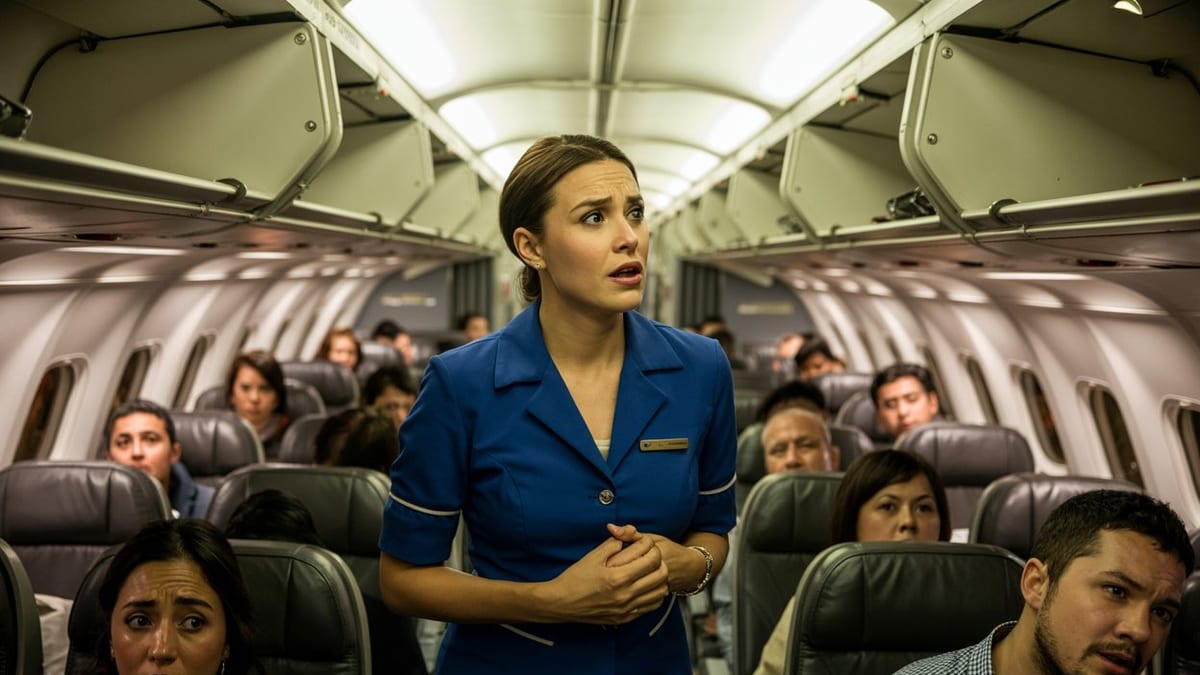
Image by Travel and Tour World – Tourism, Airline, Destination, MICE, Gobal Travel Market, Hotel news that you will find only over here.
Weak Earnings and Heavy Debt Feed Financial Jitters
American Airlines has reported mixed results in its most recent quarters, highlighting a fragile balance between steady revenue and persistent cost pressures. Recent filings and earnings coverage indicate that while demand for air travel remains generally strong, higher labor, fuel and financing costs have eroded margins and left the carrier trailing key rivals on profitability metrics.
Reports on the company’s fourth-quarter 2025 performance describe an earnings miss against Wall Street expectations, with adjusted earnings per share coming in well below analyst forecasts. Coverage of the results notes that a partial government shutdown weighed on revenue during the period, adding another layer of volatility to already tight margins. The outcome has amplified investor concerns that American is struggling to convert robust passenger volumes into durable profits.
Publicly available financial summaries show that American still carries a sizeable debt load built up through the pandemic years and prior fleet investments. Analysts tracking the airline point to tens of billions of dollars in long-term obligations and continued interest costs that limit financial flexibility. Management has outlined multiyear plans to reduce total debt, but observers emphasize that progress is sensitive to fuel prices, travel demand, aircraft delivery schedules and the broader economy.
Industry commentary increasingly portrays American as lagging behind Delta Air Lines and United Airlines on unit revenue performance and international premium growth. Competitive analysis suggests that the company’s heavy focus on high-frequency domestic and Sun Belt flying leaves it more exposed to intense fare competition, making it harder to lift yields and narrow its profit gap with peers.
Union “No Confidence” Vote Raises the Stakes
Labor tensions have sharpened the sense of uncertainty. The Association of Professional Flight Attendants, which represents roughly 28,000 American Airlines cabin crew, recently announced a unanimous vote of no confidence in chief executive Robert Isom. According to union communications and business travel industry coverage, the board accused management of failing to deliver operational reliability and competitive financial results.
Union statements argue that flight attendants at American perform the same demanding work as counterparts at other large U.S. carriers yet continue to earn less over the course of their careers, a gap they attribute to the airline’s weaker profitability and strategic missteps. The no-confidence vote, while symbolic, underscores a deep rift between frontline crews and senior leadership at a time when the carrier is trying to reassure investors and customers.
Public commentary from labor leaders also invokes history. The Association of Professional Flight Attendants prominently recalls that its members accepted major concessions in 2003 to help keep American out of bankruptcy, including billions of dollars in long-term givebacks. That experience still looms large for many veteran flight attendants, who now view any sign of financial backsliding with heightened alarm.
Although the union’s latest actions focus on pay, staffing and scheduling, the rhetoric around “new leadership” and a “new vision” has spilled into a broader debate about the company’s long-term trajectory. For many cabin crew, sluggish earnings and strategic reversals are not just abstract financial problems but potential precursors to more drastic restructuring scenarios.
Flight Attendants Voice Anxiety About Worst-Case Scenarios
On social platforms, message boards and in informal commentary captured by news outlets, some American Airlines flight attendants are drawing parallels with smaller U.S. carriers that have recently turned to Chapter 11 protection. The high-profile financial struggles of ultra-low-cost competitors, and the furloughs and base closures that followed, have heightened sensitivity among workers across the industry to the risks of aggressive cost cutting and heavy leverage.
Many cabin crew at American frame their concerns in personal terms, pointing to relatively modest pay levels, irregular schedules, and high housing and childcare costs in major hub cities. Publicly available interviews and union messaging from across the sector show a workforce that is acutely aware of how quickly conditions can deteriorate if an airline’s finances sour, particularly for junior flight attendants with less seniority protection.
In that context, American’s large debt load and uneven earnings performance have become a recurring topic in online discussions among employees. While analysts currently describe the carrier as a going concern with access to capital markets and a multiyear plan to improve its balance sheet, the gap between those financial assurances and the lived experience of workers has fueled speculation about longer-term stability.
Some union communications urge members to stay informed about the company’s financial position and to prepare for a range of potential outcomes, echoing similar language used by flight attendant organizations at other struggling carriers. Even without any formal bankruptcy proceedings on the horizon, the tone reflects a deep-seated fear that years of concessions and operational stress could someday be followed by another round of restructuring at workers’ expense.
Management Outlines Recovery Plans Amid Market Skepticism
American Airlines’ leadership has tried to counter negative sentiment by stressing its network strengths, loyalty program growth and ongoing cost initiatives. In recent earnings presentations, executives have emphasized a strategy built around a broad domestic footprint, partnerships in key international markets and investments in premium cabins and lounges designed to attract higher-yield travelers.
Forecasts shared with investors include targets for adjusted earnings growth and substantial debt reduction over the next several years. Company presentations suggest that management expects improving free cash flow to support scheduled repayments, with an eye toward bringing leverage closer to peer levels. The airline also points to steady demand in leisure and visiting-friends-and-relatives markets as a buffer against cyclical weakness in corporate travel.
Yet coverage from financial news outlets highlights skepticism among some analysts about the achievability of those goals, particularly in light of recent guidance cuts and missed earnings targets. Commentators note that American’s efforts to shift its sales model and modify its network have at times backfired, leading to revenue shortfalls and sharp market reactions, including steep single-day drops in the company’s share price.
For flight attendants, these crosscurrents can be difficult to interpret. Management presentations focus on long-term profitability and brand positioning, while day-to-day operations remain strained by weather disruptions, aircraft delivery delays and staffing tightness in certain work groups. The disconnect between upbeat investor messaging and the realities crews report experiencing on the line further fuels unease about whether the current strategy is sufficient to stabilize the airline.
No Imminent Bankruptcy Filing, but Elevated Perceived Risk
Financial analysts and public filings at this stage do not point to an imminent bankruptcy filing for American Airlines. The carrier continues to operate one of the largest global networks, maintain access to capital and service its obligations, and it has outlined a detailed plan to lower debt over several years. In industry terms, the company remains a central player in U.S. aviation rather than a distressed regional carrier on the brink of collapse.
However, the combination of high leverage, underperformance relative to peers and increasingly vocal labor discontent has elevated perceived risk among employees and some investors. For flight attendants who remember the early 2000s or have watched other airlines move in and out of Chapter 11, those warning signs are enough to provoke serious worry even in the absence of any formal restructuring announcement.
Publicly available commentary across financial, labor and travel industry outlets suggests that American’s near-term challenge is to convert a still-solid demand environment into consistently stronger profits while rebuilding trust with its own workforce. Whether management can close the earnings gap with rivals, deliver on its debt-reduction pledges and address flight attendant concerns without resorting to deeper cuts will likely shape perceptions of bankruptcy risk more than any single quarter’s results.
Until that confidence gap narrows, American’s flight attendants are likely to remain on edge, reading every earnings update, guidance revision and union bulletin not only as a snapshot of current conditions but as a possible clue to the company’s long-term fate.