

More news on this day
On both sides of the jet bridge in 2026, passengers are boarding aircraft that look familiar from the outside but are radically different under the skin, as American Airlines leans into CFM International’s LEAP-1A engines on its Airbus A321neo fleet while United Airlines doubles down on GEnx-powered Boeing 787 Dreamliners, reshaping fuel burn, cabin comfort and the sustainability profile of U.S. air travel.
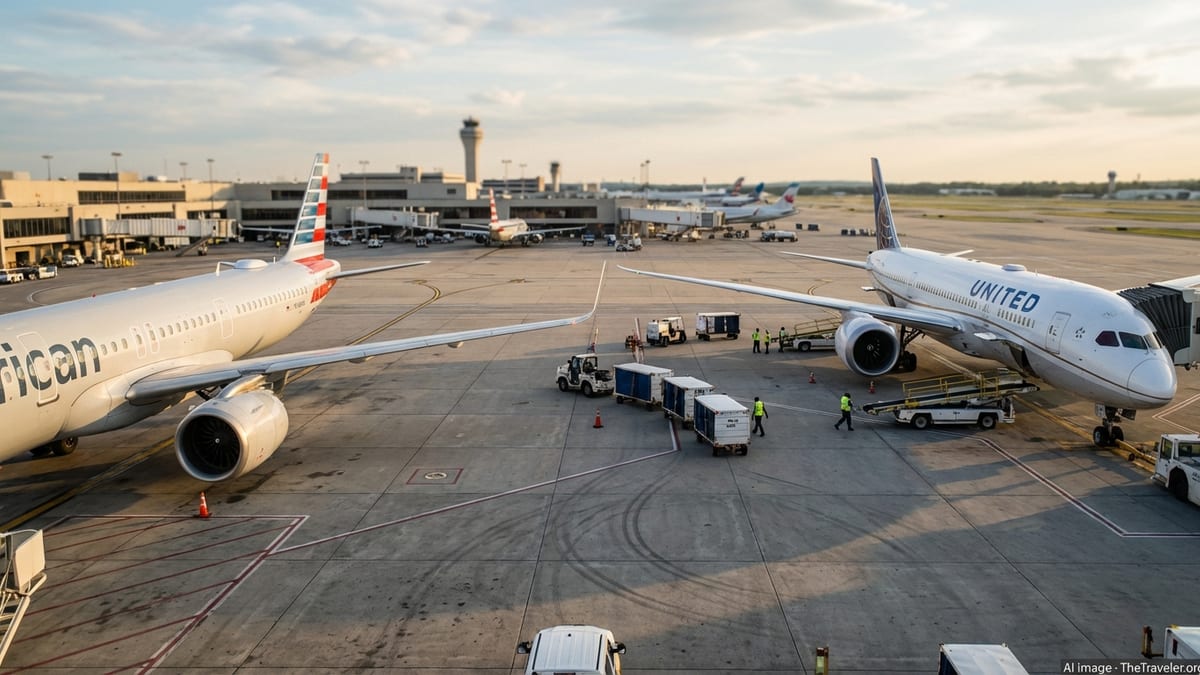
New Engine Deals Signal a Strategic Shift in U.S. Fleets
American Airlines on February 19, 2026, confirmed that all of its future Airbus A321neo and A321XLR deliveries will continue to be powered by CFM International’s LEAP-1A engines, locking in a long-term partnership that extends through at least 2032 and underpins the carrier’s claim to operate the youngest fleet among the large U.S. network airlines. The announcement covers 155 additional A321neo family aircraft on firm order and aligns with American’s broader narrowbody strategy, including high-density domestic configurations and premium transcontinental layouts.
United Airlines, by contrast, has concentrated its newest engine technology on the long-haul end of its network. The Chicago-based carrier is one of the largest operators of Boeing 787 Dreamliners, most of them powered by GE Aerospace’s GEnx-1B engine. Those widebodies are now the backbone of United’s transatlantic and transpacific expansion, with the GEnx’s combination of long range, lower fuel burn and improved reliability enabling denser schedules to Europe, Asia and the South Pacific from hubs like Newark and San Francisco.
For travelers, the divergence means that American’s latest engine advances are most visible on high-frequency domestic and medium-haul routes, while United’s are felt most on overnight international sectors. Yet the technological story behind both fleets is converging: lightweight materials, hotter-running cores and sophisticated digital monitoring are being deployed to squeeze out every drop of efficiency and reduce emissions without compromising performance.
Industry analysts say this twin-track evolution at two of the world’s largest airlines illustrates a broader global trend. New engine families such as LEAP and GEnx are no longer novelties confined to a handful of showcase aircraft but have moved into the mainstream of commercial flying, quietly recalibrating what passengers can expect in terms of noise levels, cabin pressure, and the environmental footprint of their trip.
Inside the LEAP-1A: How American’s A321neo Fleet Is Evolving
The LEAP-1A, developed by CFM International, a joint venture between GE Aerospace and Safran Aircraft Engines, powers American’s growing A321neo and A321XLR fleet. Compared with the previous-generation CFM56 engines on older A321s, the LEAP-1A typically delivers about 15 percent lower fuel burn and a similar reduction in carbon emissions per seat, thanks to a higher bypass ratio, more efficient aerodynamics and advanced materials such as carbon fiber composite fan blades and ceramic matrix composites in the hot section.
American has already taken delivery of more than 80 A321neos and is introducing the longer-range A321XLR to open thinner transcontinental and near-transatlantic routes. On the engine side, the airline is banking on LEAP’s reliability and an expanded long-term maintenance agreement with CFM to keep these aircraft flying at high utilization. Health monitoring systems stream performance data in real time, allowing engineers to identify wear patterns early and plan shop visits around schedule peaks rather than reacting to unexpected issues.
Operationally, the LEAP-1A’s performance opens up more flexibility on American’s network. Lower fuel burn allows the airline to schedule longer stage lengths without payload penalties, while better climb performance and noise characteristics help secure favorable slots at congested airports with strict environmental rules. At high-temperature, high-altitude fields in the American West, crews report improved margins on takeoff performance compared with older narrowbodies, a benefit that becomes more important as summer heat records are routinely broken.
Behind the scenes, the ramp-up of LEAP-1A production has been closely watched across the industry. After supply chain disruptions and durability upgrades depressed deliveries in 2024 and early 2025, CFM has been working to lift output and roll in technical improvements. Those efforts are now feeding directly into American’s orderbook, with the carrier positioning itself as a key North American launchpad for the latest LEAP hardware and software configurations.
GEnx on United’s Dreamliners: Long-Haul Efficiency and Passenger Comfort
Where American is betting on LEAP-powered narrowbodies, United’s most visible engine investment sits under the wings of its Boeing 787 Dreamliners. The GEnx-1B engine, developed by GE Aerospace, has become the fastest-selling widebody engine in the company’s history, with a blend of fuel efficiency, range and reliability that aligns with United’s strategy of turning its 787s into long-haul workhorses. On typical missions, the GEnx offers around 15 percent better fuel efficiency and lower carbon emissions than the older CF6 engines that power many of the world’s legacy widebodies.
For passengers, the benefits of the GEnx integration with the 787 platform are felt in the cabin. The engine’s lower noise footprint, combined with the Dreamliner’s composite airframe and advanced acoustic treatments, leads to noticeably quieter interiors during climb and cruise. That noise reduction can make long overnight flights more restful, especially in economy cabins where engine roar is typically most intrusive. In addition, the 787’s higher cabin humidity and lower pressurization altitude, made possible in part by the aircraft’s overall efficiency, have become key selling points in United’s marketing of its Polaris and Premium Plus cabins.
United’s deployment of GEnx-powered 787s on some of its most demanding routes also highlights the engine’s range capabilities. Ultra-long sectors from North America to Asia and the Middle East require engines that can maintain high efficiency across long cruise segments, often in challenging jetstream conditions. The GEnx’s high overall pressure ratio and advanced combustor technology contribute to consistent performance, while digital controls and data analytics tools help United’s engineering teams manage fuel consumption and predict maintenance needs.
From an operational resilience perspective, United has gained from the GEnx’s strong dispatch reliability figures, which GE touts at above 99 percent. Fewer last-minute technical cancellations or diversions are not just a cost benefit for the airline; they also translate into a smoother, more predictable experience for travelers planning complex international itineraries that hinge on a single long-haul leg.
Fuel Burn, Emissions and the Race to Net Zero
Both the LEAP-1A and GEnx engines sit at the center of American’s and United’s public pledges to reduce their environmental impact over the next decade. Airlines globally have committed to net-zero carbon emissions by 2050, and with sustainable aviation fuels still scarce and expensive, efficiency improvements in current-generation engines remain the most immediate lever available to cut emissions per flight.
On narrowbody routes, American’s adoption of the LEAP-1A is already cutting fuel consumption on a per-seat basis. The combination of a new engine and a more efficient A321neo airframe can mean double-digit percentage reductions in fuel burned compared with the A321ceo or older 737 variants that many of these jets are replacing. For frequent business travelers hopping between cities such as Dallas, New York and Los Angeles, the environmental footprint of each trip is gradually shrinking even as schedules remain dense.
United’s GEnx-powered 787s contribute a similar story on widebody routes. When compared to older 767s or 777s configured for similar missions, the GEnx and 787 pairing can save many tonnes of fuel over a single long-haul sector. Over a year of operations across a global 787 network, those incremental savings add up to significant reductions in carbon dioxide emissions, something the airline now regularly highlights in its sustainability reports and investor presentations.
Both engine families are also designed to be compatible with higher blends of sustainable aviation fuel. While large-scale SAF use remains limited by cost and supply, test campaigns have shown that LEAP and GEnx engines can operate on mixes that significantly exceed the small percentages currently allowed in routine commercial operations. That capability is important insurance for airlines as regulators and fuel suppliers push toward higher SAF mandates in the 2030s.
Noise, Vibration and the Passenger Experience
The impact of new engines is not limited to airline balance sheets. For many passengers, the most tangible difference between flying on an older jet and one powered by LEAP-1A or GEnx engines is simply how it feels and sounds on board. Advanced fan designs, nacelle acoustics and lower rotational speeds contribute to a softer acoustic signature during takeoff and climb, which is particularly noticeable for those seated near the wings.
On American’s A321neos, cabin crews report that inflight announcements are easier to hear during high-thrust segments, a small but practical byproduct of reduced engine noise. Travelers in premium cabins at the front of the aircraft also benefit from quieter cruise conditions, which complement the carrier’s updated interiors that include larger overhead bins, mood lighting and fast Wi-Fi connectivity. The net effect is a flying experience that feels less fatiguing, even on short-haul trips.
United’s GEnx-powered Dreamliners take those gains a step further on long flights. The 787 airframe’s use of vibration-damping materials and the GEnx’s smoother thrust response help reduce low-frequency rumble that can make overnight journeys tiring. Combined with larger windows that dim electronically and higher humidity levels inside the cabin, the engine technology supports United’s efforts to market the 787 as a more humane way to cross oceans.
Beyond the cabin, communities around major hubs are also noticing the change. Airports in the United States and Europe that host clusters of A321neo and 787 operations are reporting lower contour areas for noise exposure compared with fleets dominated by older aircraft. That shift can ease tensions between airlines and local residents and may make it easier for carriers like American and United to argue for marginal growth in movements at slot-constrained airports.
Reliability, Maintenance and the Hidden Economics of Durability
Behind every engine upgrade lies a less visible but equally important story of durability and maintenance economics. Modern powerplants are expected to run hotter and harder while also staying on wing for longer intervals between overhauls. GE Aerospace and CFM International have made durability a key selling point for both the GEnx and LEAP families, rolling out hardware enhancements, new coatings and more sophisticated inspection techniques to extend life and reduce unexpected removals.
For American, the long-term maintenance agreement tied to its LEAP-1A order is designed to provide cost predictability. By bundling repairs, spares and performance monitoring into a single package, the airline can better forecast engine-related expenses through the life of the contract. This is particularly critical for a carrier that relies heavily on its narrowbody fleet for high-frequency domestic operations, where even a small uptick in unscheduled shop visits can ripple across the network.
United, operating GEnx engines on long-haul Dreamliners, faces a different reliability profile but similar financial stakes. The long stage lengths flown by 787s mean that each disruption can have outsized effects on crew rotations and passenger connections. GE has responded by emphasizing the GEnx’s high dispatch reliability and offering digital tools that help the airline track engine health parameters, model degradation and schedule proactive maintenance at times that minimize operational impact.
Industry observers note that both engine programs have navigated the familiar growing pains of new technology, including early-life durability fixes and supply chain challenges. However, as the fleets mature, American and United are beginning to see the benefits of more stable parts flows and refined maintenance procedures, which in turn support denser schedules and more aggressive aircraft utilization.
Implications for Routes, Fleets and the Future of Travel
The technical differences between LEAP-1A and GEnx engines are significant, but for travelers, the more relevant distinction is how American and United are using them to redraw route maps. American’s LEAP-powered A321neos and A321XLRs give it a flexible tool for opening thinner long domestic and near-international routes that might once have required widebodies or fuel stops. That could mean more nonstop options between secondary cities and coastal hubs, as well as new transcontinental premium services with upgraded interiors.
United’s GEnx-fueled Dreamliners, meanwhile, are enabling the airline to reach deeper into international markets with nonstops that bypass traditional European gateways. Routes linking the U.S. Midwest and Mountain West directly to Asia or the Middle East hinge on the 787’s range and efficiency profile, and the GEnx is central to making those economics work. As global demand continues to recover, United is positioning its 787 fleet as the spearhead of a renewed long-haul push.
Looking ahead, both airlines are watching the next wave of engine innovation, including open-rotor concepts and hybrid-electric assistance. Yet with LEAP and GEnx still in the middle of their life cycles, the engines already in service will do most of the heavy lifting in decarbonizing commercial aviation over the next decade. Upgrades, software tweaks and compatibility with higher blends of sustainable fuels will likely keep these powerplants at the forefront of efficiency improvements.
For passengers booking tickets in 2026, the branding on the side of the fuselage may matter less than the technology humming away beneath the wings. Whether boarding an American A321neo out of Dallas or a United 787 Dreamliner from Newark, travelers are increasingly flying on aircraft whose engines have been carefully engineered to burn less fuel, emit less noise and make long hours in the air a little more comfortable, even if most of that progress remains invisible from the aisle.