

More news on this day
A new wave of grassroots energy around national parks and public lands is coalescing in the United States, as conservation groups promote a coordinated Going Public campaign to turn broad public support into concrete protections on the ground.
Get the latest news straight to your inbox!
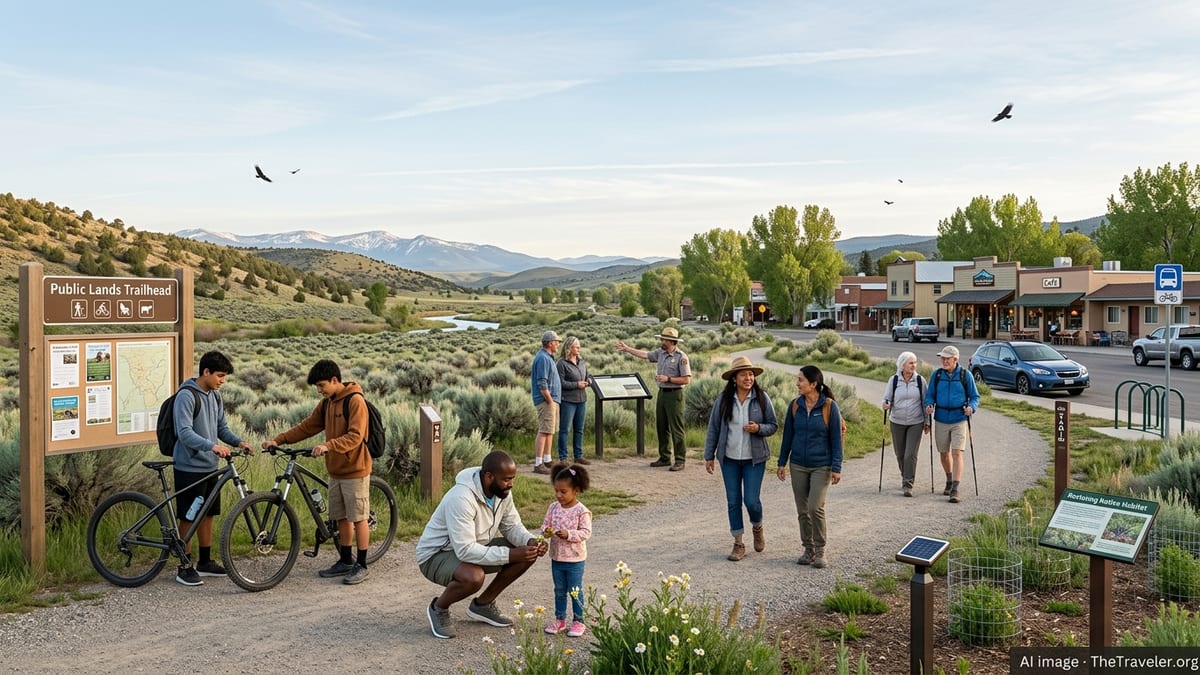
Public Support for Parks and Open Space Surges
Recent polling and research indicate that support for public lands remains high across the United States, cutting across traditional political and geographic lines. Surveys of Western voters, in particular, show strong backing for safeguarding national parks, wildlife refuges, and Bureau of Land Management territories, along with a willingness to prioritize conservation when weighing energy development and other uses.
Publicly available information points to a consistent pattern over the past several years. Large majorities of residents in states with significant federal holdings report that access to public lands is a key reason they choose to live where they do, and many describe outdoor recreation as central to local economies. This persistent approval has created fertile ground for new efforts that seek not only to defend existing protections but also to expand them.
Advocates involved in the Going Public campaign are attempting to harness that sentiment by emphasizing the everyday benefits of shared landscapes. Messaging centers on the role of public lands in supporting jobs, outdoor recreation businesses, clean water supplies, and climate resilience, while also foregrounding cultural connections and opportunities for education and community gathering.
The result is a growing sense that public lands are not just remote wilderness areas, but vital pieces of civic infrastructure. From urban national park units to backcountry trails, organizers describe a broadening understanding that these places belong to everyone and warrant sustained public investment.
Inside the Going Public Campaign
The Going Public effort brings together conservation organizations, local partners, and community leaders who are working to translate public enthusiasm into measurable outcomes. According to campaign materials and recent coverage, the initiative promotes a mix of policy advocacy, storytelling, and citizen engagement projects across multiple states.
Central to the campaign is a push to highlight success stories in public lands policy. Organizers are elevating examples of landscape-scale protections, recreation access projects, and restoration work that have advanced with strong local backing. By showcasing what has already been accomplished through collaborative approaches, they aim to demonstrate that additional protections are both achievable and broadly popular.
The campaign also places a strong emphasis on public-facing communications. Multi-platform outreach, town hall style events, and partnerships with outdoor businesses are being used to reach residents who may not traditionally engage in environmental advocacy. The goal is to make conversations about public lands feel less abstract and more connected to daily life, from neighborhood trails to family road trips.
At the same time, Going Public encourages supporters to participate in comment periods, local planning meetings, and budget debates that shape the future of public lands. Organizers describe this as an effort to ensure that the broad base of support reflected in opinion research is fully visible in official decision-making arenas.
Economic Stakes for Gateway Communities
The new campaign is unfolding against a backdrop of record visitation to many national parks and recreation areas, which has underscored both the economic promise and the infrastructure strains facing gateway communities. Lodging, guiding services, restaurants, and outdoor gear retailers in towns near public lands have seen substantial benefits from tourism, but many also confront mounting costs related to traffic, housing, and public services.
Reports from regional economic studies show that outdoor recreation contributes hundreds of billions of dollars annually to the U.S. economy, supporting millions of jobs across sectors such as travel, hospitality, and equipment manufacturing. Small communities adjacent to popular destinations often rely heavily on this activity, making the long-term health of nearby public lands a central local concern.
The Going Public campaign is drawing attention to these dynamics by framing public lands as economic engines that require stable funding and careful management. Advocates point to trail maintenance, visitor facilities, and habitat restoration as investments that can safeguard both ecological values and community livelihoods over time.
Some participating organizations are promoting collaborative planning models that bring local governments, tribal nations, business owners, and conservation groups to the same table. By emphasizing shared interests in sustainable visitation and resilient ecosystems, the campaign seeks to reduce conflict and build durable coalitions around land management decisions.
Climate, Conservation and Equity on the Agenda
Climate resilience and biodiversity protection are major themes within the Going Public initiative. Publicly available analyses indicate that large intact landscapes, particularly in the American West and Alaska, play a crucial role in storing carbon, buffering communities from extreme weather, and providing habitat corridors for wildlife under pressure from warming temperatures.
The campaign is amplifying calls to safeguard critical watersheds, migratory routes, and high-value habitat through a combination of new designations, conservation easements, and restoration projects. Supporters point to research suggesting that durable protections for public lands can complement broader national and state level climate strategies.
Equity is another focus, as many communities continue to face barriers to accessing parks and open space. Organizers involved in Going Public are promoting efforts to expand transit connections, invest in urban green spaces, and develop programs that welcome first-time visitors from underrepresented groups. This includes support for youth employment initiatives, outdoor education, and culturally informed interpretation on public lands.
By foregrounding equity alongside climate and conservation goals, the campaign aims to demonstrate that public lands policy can address multiple public priorities at once. The message is that protecting shared spaces can help safeguard ecosystems, support local economies, and expand opportunities for communities that have historically been left out of outdoor narratives.
What Comes Next for America’s Shared Lands
As the Going Public campaign gains visibility, attention is turning to the specific policy outcomes that could result from this surge of engagement. Observers note that upcoming budget negotiations, land use planning processes, and legislative debates will offer concrete opportunities to channel public support into action.
Advocates are watching federal and state funding decisions that affect staffing, maintenance backlogs, and conservation grants tied to public lands. In many cases, those choices will determine whether agencies can keep pace with rising visitation, climate related challenges, and demands for new recreation infrastructure.
At the same time, long running discussions over new wilderness areas, national monuments, and other protective designations continue in several regions. The Going Public campaign is positioned to influence those debates by documenting local support and elevating community driven proposals that blend conservation with recreation and cultural priorities.
While the ultimate impact of the initiative remains to be seen, early indications point to a durable shift in how many Americans think about their shared landscapes. With public opinion trending strongly in favor of conservation, the question now is how fully that sentiment will be reflected in the policies and investments that shape the future of the nation’s public lands.