

Passenger rail may not dominate Iowa’s travel landscape the way highways and airports do, but Amtrak still offers a reliable, scenic east–west corridor across the southern part of the state. For travelers linking Chicago with the Rockies or the West Coast, or for Iowans looking for a car‑free way to reach major cities, understanding how Amtrak works in Iowa can turn a long journey into a relaxed, rewarding trip. This guide walks through the current routes, stations, and practical steps for planning a rail journey that starts, ends, or passes through the Hawkeye State.
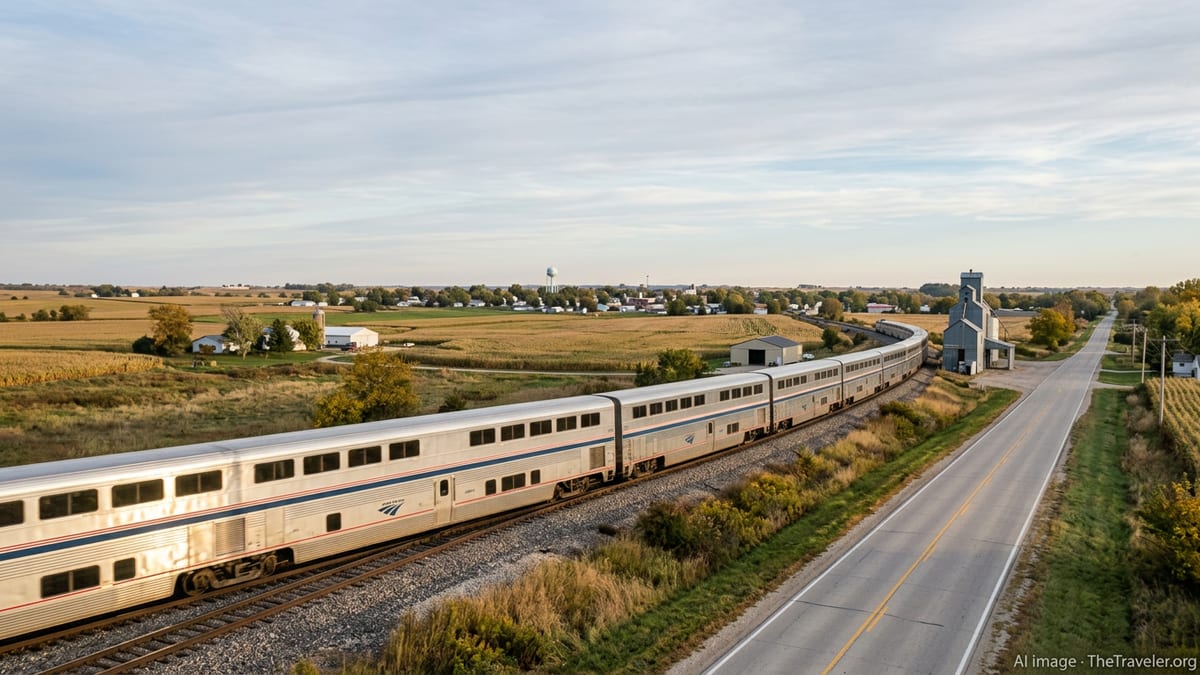
Amtrak’s Presence in Iowa Today
Amtrak’s footprint in Iowa is focused on long-distance routes rather than short city-to-city commuter trains. The state is part of the national network that connects Chicago with the western United States, and Iowa’s role on that map is as a vital midpoint between the Midwest’s largest hub and destinations such as Denver, Salt Lake City, and the San Francisco Bay Area. Most passengers boarding in Iowa are traveling to or from Chicago, although some use the trains to reach Denver, Omaha, or make connections onward to the Pacific coast.
Two Amtrak routes currently serve Iowa. The California Zephyr, one of Amtrak’s most storied long-distance trains, operates daily between Chicago and the San Francisco Bay Area, crossing southern Iowa with multiple station stops. The Southwest Chief, which links Chicago and Los Angeles, does not cross the interior of the state but serves Fort Madison, on Iowa’s southeastern edge, just across the Mississippi River from Illinois. Together, these routes provide Iowans with daily passenger rail access in both the eastbound and westbound directions, linking the state to major metropolitan areas across the country.
Unlike some neighboring states, Iowa does not yet have state-supported corridor trains that run multiple times per day between its cities and Chicago. Service levels and schedules in Iowa are determined primarily by the needs of these national long-distance routes. That means departures are typically once daily in each direction, with timings designed to work within the broader national timetable. For travelers, this requires a bit more planning and flexibility, but it also delivers a classic, unhurried long-distance rail experience.
For many Iowans, the nearest Amtrak station may still be an hour or more away by car or bus. However, Amtrak’s Thruway bus partnerships and the growing network of intercity coaches across the Midwest help bridge that last-mile gap between population centers like Des Moines, Iowa City, Ames, and the rail line itself. Understanding where trains actually stop, and how those stops connect to the rest of the state, is the first step toward planning a workable itinerary.
Key Amtrak Routes Serving Iowa
The California Zephyr is the backbone of Amtrak service in Iowa. Running daily between Chicago and the San Francisco Bay Area, it crosses southern Iowa, generally following a corridor that parallels Interstate 80 and the historic lines of the Chicago, Burlington and Quincy Railroad. Within Iowa, the Zephyr makes stops at Burlington, Mount Pleasant, Ottumwa, Osceola, and Creston before continuing west to Omaha and on toward Denver and the Rocky Mountains. Eastbound trains bring passengers into Chicago, where they can connect to the rest of Amtrak’s national system, including routes to the East Coast and the South.
For travelers boarding in Iowa, the Zephyr offers a practical way to reach Chicago in one direction and Omaha or Denver in the other, without driving long distances. Schedules can vary over time, but generally westbound trains pass through Iowa later in the day or evening on their way to Nebraska, while eastbound trains arrive from the west earlier in the day, allowing same-day connections in Chicago. Because the Zephyr is a long-distance train operating over host freight railroads, delays are possible, so itineraries should be planned with generous connection windows and flexible expectations.
The Southwest Chief, another of Amtrak’s historic long-distance routes, touches Iowa at Fort Madison, located along the Mississippi River on the state’s southeastern edge. The Chief provides daily service between Chicago and Los Angeles, passing through Illinois, Iowa, Missouri, Kansas, Colorado, New Mexico, Arizona, and California. For riders in the Fort Madison area, this route opens up options to reach cities such as Kansas City, Albuquerque, Flagstaff, and Los Angeles, as well as Chicago in the opposite direction. Although it serves only one Iowa station, it gives the state a direct rail link to the American Southwest and the Pacific coast.
Beyond these two routes, Iowa is watching potential future expansions closely. State planning documents and local advocacy groups have supported the idea of a new corridor service from Chicago to the Quad Cities and Iowa City, with later phases potentially reaching Des Moines and other points farther west. While these proposals remain aspirational and subject to funding, negotiations, and federal approvals, they signal that Iowa’s role in passenger rail could grow in the coming years. For now, though, travelers planning a rail trip in Iowa should base their plans on the California Zephyr, the Southwest Chief, and the handful of stations they serve.
Where Amtrak Stops: Iowa’s Stations and Nearby Cities
Iowa’s Amtrak stations are clustered along the state’s southern tier, primarily in communities that grew up as historic railroad hubs. Each station serves not only its immediate city but also a surrounding region, often including much larger population centers that lack direct train service. Understanding which major cities lie within driving or bus distance of each station helps travelers decide where to begin or end their journeys.
On the California Zephyr, Burlington is usually the first Iowa stop west of the Mississippi River when departing Chicago. It serves the Burlington area and nearby communities along the river. West of Burlington, Mount Pleasant provides a small-town boarding point, with a historic depot originally built by the Chicago, Burlington and Quincy Railroad in the early twentieth century. Farther west, Ottumwa’s station occupies a modernist depot dating from the early 1950s and anchors a city that has long been a regional rail center. These communities offer parking, basic station amenities, and varying levels of local transit or taxi access, making them useful gateways to rail for southeast Iowa.
Continuing west, Osceola holds a special place in Iowa’s passenger rail geography because it is the closest Amtrak station to Des Moines, the state capital and largest city. Osceola lies roughly 50 miles south of Des Moines, so many central Iowa travelers drive or arrange bus connections to reach the station before boarding the California Zephyr. Creston, another stop along the same corridor, serves southwest Iowa and provides rail access for communities that might otherwise rely entirely on intercity buses and highways. Both Osceola and Creston use depots with historic railroad roots, adapted over time to meet modern accessibility and safety standards.
On the Southwest Chief, Fort Madison’s station gives southeastern Iowa a direct rail connection to both Chicago and the Southwest. The town’s riverfront location and long railroad heritage make it a natural stop along the route, even though much of the surrounding population may still need to travel some distance to board the train. Taken together, Burlington, Mount Pleasant, Ottumwa, Osceola, Creston, and Fort Madison form a thin but significant chain of passenger rail stops across southern Iowa, linking the state to both coasts via Chicago.
Reaching the Train: Buses, Driving, and Future Connections
Because Amtrak stations in Iowa are concentrated in smaller southern communities, many riders begin their journeys with a drive or bus trip from larger cities. Des Moines travelers typically drive to Osceola or Creston, while residents of Iowa City, Cedar Rapids, Ames, or the Quad Cities often connect by road to Burlington, Mount Pleasant, or Ottumwa. Several intercity bus companies, including carriers that partner with Amtrak through its Thruway program, operate routes linking major Iowa cities with Chicago, Omaha, and Denver, sometimes stopping within easy reach of Amtrak stations along the way.
These bus links are an important part of the picture for riders who prefer to avoid driving or do not have access to a car. In many cases, passengers can purchase a single Amtrak ticket that includes both the rail segment and a Thruway motorcoach leg, simplifying transfers and schedule planning. Schedules and operators can change, however, so it is wise to double-check bus availability and timing during trip planning and again shortly before departure. Travelers should allow extra time between bus arrivals and train departures, especially in winter or during busy holiday periods.
Parking at Iowa’s Amtrak stations is generally straightforward, with surface lots or nearby on-street options that reflect the smaller scale of the communities they serve. While dedicated long-term parking policies can vary by station, many depots accommodate multi-day parking for travelers heading to Chicago or farther west. It is still prudent to verify any local rules, especially for extended trips, and to arrive with enough time to find a space and reach the platform without rushing.
Looking ahead, Iowa’s transportation planners continue to evaluate potential expansions of passenger rail. State rail plans describe a phased approach that would first establish service from Chicago to the Quad Cities and Iowa City, with possible later extensions farther into the state. City governments, such as Iowa City’s, have taken steps like acquiring land near rail corridors with future passenger service in mind. While there is no firm timeline for these projects, their progress is worth monitoring for travelers who would welcome more frequent trains and additional station locations in Iowa.
Onboard Experience, Classes, and What to Expect
Riding Amtrak across Iowa, particularly on the California Zephyr or Southwest Chief, is a more relaxed and spacious experience than most domestic flights or highway bus trips. Long-distance trains on these routes typically use double-decker Superliner equipment, with coach seating on the upper and lower levels and optional sleeping accommodations in separate cars. Coach seats are wider than typical airline economy seats, with generous legroom, reclining backs, and footrests, making overnight or long-day journeys significantly more comfortable than sitting in a car or bus for similar periods.
Travelers can choose between standard coach and various sleeper options, such as roomettes or bedrooms, which include bunks for overnight travel and access to additional amenities. Sleeper accommodations usually come with meals included in the fare, served in a dining car where passengers sit at shared tables and enjoy cooked-to-order or pre-plated dishes, depending on the route and service level in effect at the time of travel. Coach passengers can purchase food and drinks from a café car, which offers a menu of snacks, beverages, and light meals suitable for most dietary preferences.
One of the highlights of traveling by train through Iowa is the opportunity to watch the landscape unfold at a human scale. The route across the state showcases rolling farmland, small towns, river valleys, and classic Midwestern skies, especially striking at sunrise or sunset. Lounge or observation cars, where available, offer large windows and informal seating that encourage passengers to move around, socialize, or simply take in the view. This mobility is a key advantage over driving, allowing travelers to stretch their legs, read, work, or rest while still making steady progress toward their destination.
That said, rail travel in Iowa requires patience and flexibility. Long-distance Amtrak trains operate on tracks owned mostly by freight railroads, and dispatching priorities can lead to delays. Schedules are planned with this in mind, but travelers should be prepared for late arrivals or extended dwell times at sidings while freight trains pass. Keeping essential items such as medications, chargers, snacks, and a change of clothes in an easily accessible day bag can help make delays less stressful. When planning onward connections, especially flights or time-sensitive appointments, it is wise to build in generous buffers or schedule an overnight stop where possible.
How to Plan and Book an Amtrak Trip in Iowa
Planning an Amtrak journey that involves Iowa starts with understanding where you want to go and how flexible your travel dates are. Because trains along the California Zephyr and Southwest Chief routes usually run once per day in each direction, your options may be narrower than with air travel or driving. Begin by identifying your closest practical station, whether that is Burlington, Mount Pleasant, Ottumwa, Osceola, Creston, Fort Madison, or a larger hub such as Chicago or Omaha. Then, check timetables for both directions, paying close attention to departure and arrival times relative to your personal schedule and any bus or car transfers you will need.
When comparing fares, remember that prices on Amtrak can vary by demand, date, and how far in advance you book. Coach seats are generally the most economical option, particularly for daytime trips between Iowa and Chicago or Omaha. For overnight or long-haul journeys, it may be worth pricing out sleeper accommodations as well, especially if you value privacy, a bed, and included meals. If your dates are flexible, exploring a range of departure days can uncover lower fares or more convenient times, and watching for seasonal promotions can further reduce costs.
Next, consider how you will reach the station. If you are driving, factor in travel time, parking, and potential traffic, especially when connecting from Des Moines, Iowa City, or other larger cities that lie some distance from the rail line. Aim to arrive at least 30 to 45 minutes before departure, longer if you are unfamiliar with the station layout or traveling with children, seniors, or bulky luggage. If you plan to use a bus, taxi, or rideshare to reach the train, build in extra margin for delays, and confirm pick-up and drop-off locations so you can move quickly from one mode to the other.
Finally, organize your travel documents and expectations. Amtrak generally requires a government-issued photo ID for adult passengers, and e-tickets can be displayed on a smartphone or printed ahead of time. Review baggage policies before you pack, especially if you are connecting to or from air travel with stricter limits. Checking in with station agents or onboard staff can help clarify any remaining questions about connections, seat assignments, or meals. With a bit of advance preparation, riding Amtrak in Iowa can feel straightforward, unhurried, and far less stressful than navigating airports or long highway drives.
The Takeaway
Amtrak’s role in Iowa is modest in scale but significant in impact. With a handful of stations strung across the state’s southern tier, the California Zephyr and Southwest Chief offer daily rail links between Iowa communities and major destinations such as Chicago, Omaha, Denver, and Los Angeles. For travelers willing to plan around once-daily departures and the possibility of delays, these trains provide a comfortable, scenic alternative to driving or flying, complete with spacious seating, onboard dining, and room to move.
Planning a successful rail trip in Iowa means understanding the geography of the routes, how to reach the stations from larger cities, and how to balance cost, comfort, and timing. Intercity buses, Amtrak Thruway connections, and local transit fill in many of the gaps, making it possible to build entirely car-free itineraries from places like Des Moines or Iowa City with a bit of forethought. Meanwhile, ongoing discussions about new corridors from Chicago to the Quad Cities and Iowa City hint at a future in which passenger rail could play a larger role in the state’s transportation mix.
For now, however, Amtrak in Iowa remains a classic long-distance rail experience. It rewards travelers who value the journey as much as the destination, who appreciate watching the state’s farmland and river valleys pass by from a wide seat instead of a windshield or airplane window. Whether you are heading east to Chicago, west to the Rockies, or south and west from Fort Madison to the desert and the Pacific, Iowa’s trains can anchor a memorable, low-stress trip across the heart of the country.
FAQ
Q1. Which Amtrak routes currently serve Iowa?
Two long-distance routes serve Iowa: the California Zephyr, which crosses southern Iowa between Chicago and the San Francisco Bay Area, and the Southwest Chief, which serves Fort Madison on its Chicago to Los Angeles route.
Q2. What Iowa cities have Amtrak stations?
Amtrak stations in Iowa are located in Burlington, Mount Pleasant, Ottumwa, Osceola, Creston, and Fort Madison. Each serves its local community and surrounding regions, including larger cities that lack direct train service.
Q3. What is the closest Amtrak station to Des Moines?
Osceola is the closest Amtrak station to Des Moines. It lies roughly 50 miles to the south, so many central Iowa travelers drive or arrange bus connections to reach the station.
Q4. Can I travel from Iowa to Denver or the West Coast by train?
Yes. The California Zephyr allows passengers boarding in Iowa to travel west to Omaha, Denver, the Rocky Mountains, and onward to the San Francisco Bay Area, with a single through train.
Q5. How often do Amtrak trains run in Iowa?
Both the California Zephyr and the Southwest Chief generally operate once daily in each direction. This means most Iowa stations see one eastbound and one westbound train per day, subject to schedule changes.
Q6. Are there plans for more Amtrak service in Iowa?
Iowa’s state rail plans and local advocacy efforts have supported potential new corridor service from Chicago to the Quad Cities and Iowa City, with possible later extensions, but these projects do not yet have firm start dates.
Q7. How do I connect to an Amtrak station if I live in a city without service?
Most travelers use a combination of driving, intercity buses, and, in some areas, Amtrak Thruway motorcoaches to reach the nearest station. Planning extra time for these connections is important.
Q8. What should I expect onboard a long-distance Amtrak train in Iowa?
Expect spacious coach seating, optional sleeper accommodations, a café or dining car, and the freedom to move around the train. Delays are possible, so flexibility and a well-packed day bag are helpful.
Q9. Is rail travel in Iowa suitable for families and older travelers?
Yes. Wide seats, the ability to walk around, and onboard restrooms make trains comfortable for families, seniors, and travelers who prefer to avoid long drives. Planning ahead for connections and mobility needs is still important.
Q10. How far in advance should I book an Amtrak trip that involves Iowa?
Booking early can help secure lower fares and preferred accommodations, especially for peak travel periods. Checking schedules and prices a few weeks to a few months before departure is a good general practice.